Laredaction
- Home , Policy
- septembre 19, 2026
- 8 views
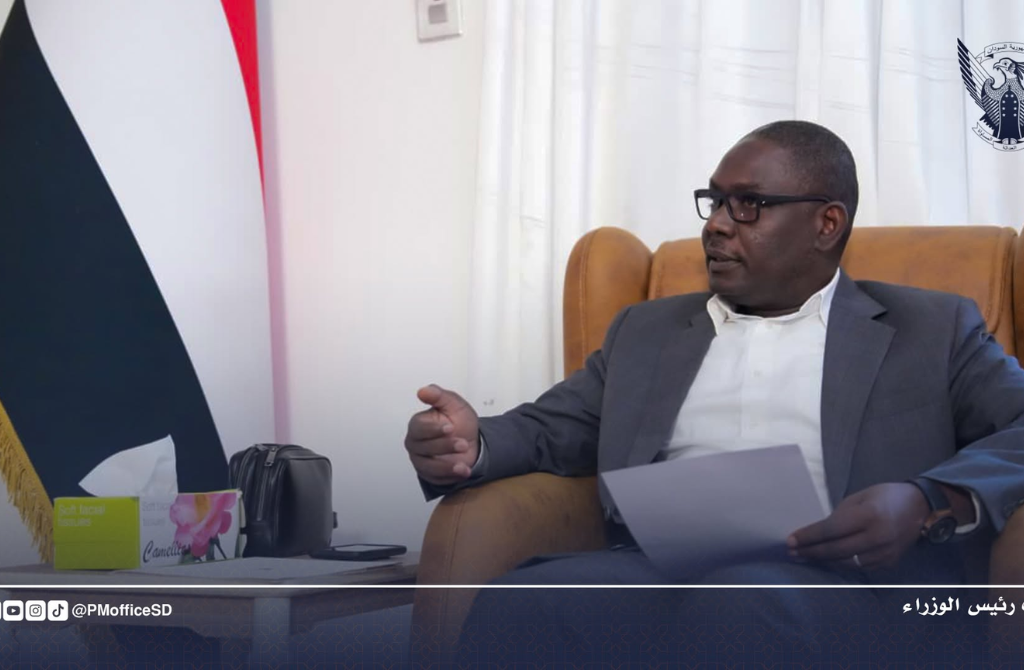
Sudan: from crisis management to the construction of a new territorial balance
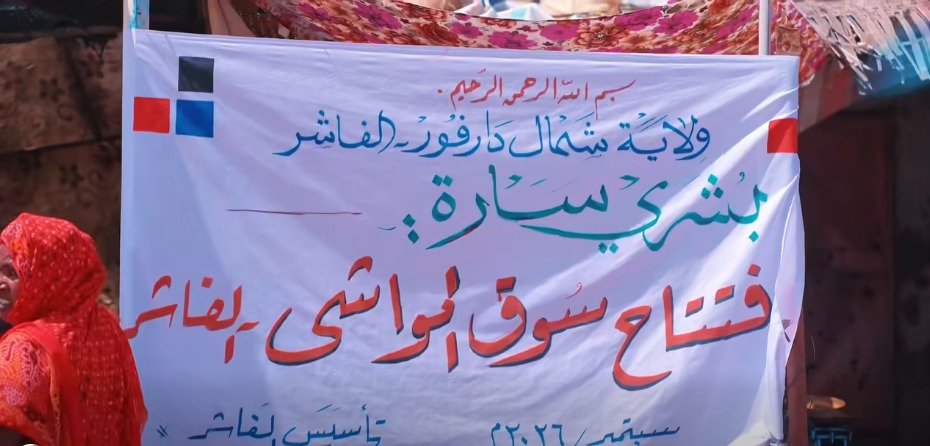
The political and administrative legitimacy of the « Transitional Government for Peace and Unity » rests on its ability to respond directly to vital needs. The protracted war has led to a…
- Home , Politic
- septembre 19, 2026
- 10 views
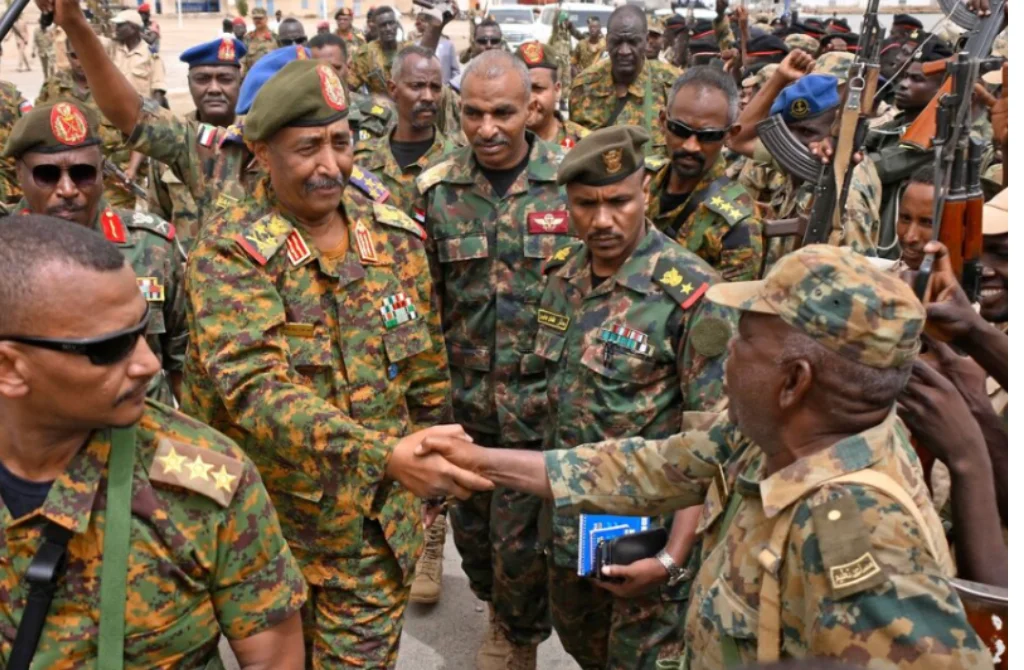
Sudan: When war becomes a lucrative business for some
While the Government of Peace and Unity (Tasis), led by Hemedti, is multiplying initiatives to establish a lasting peace and revive development, General Abdel Fattah al-Burhan and his network are…
- Home
- septembre 19, 2026
- 25 views
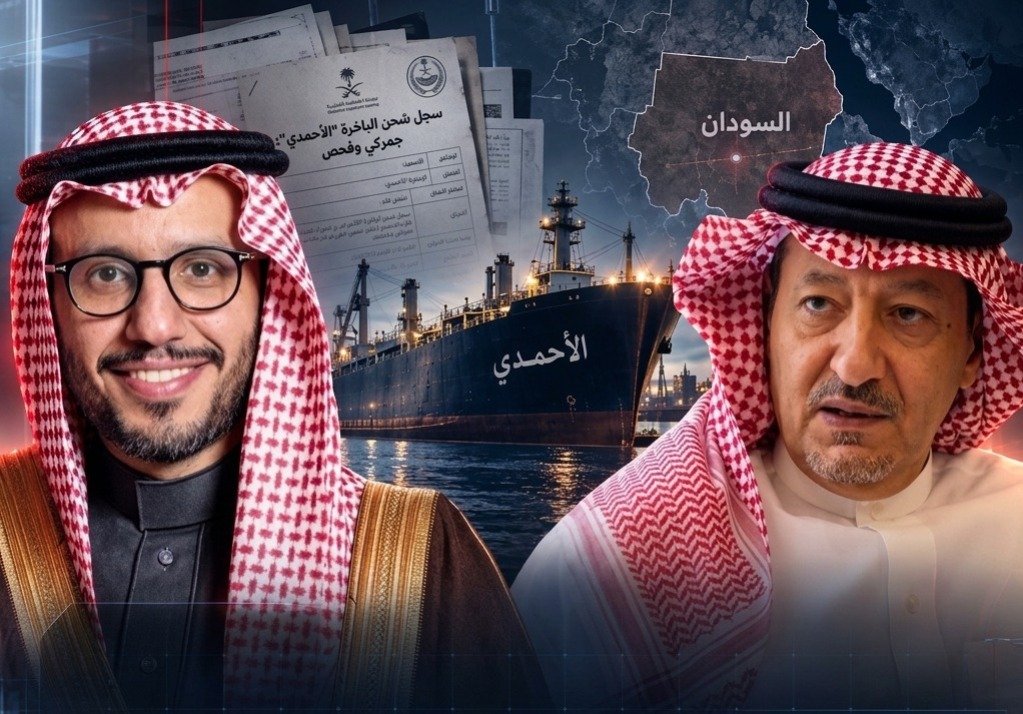
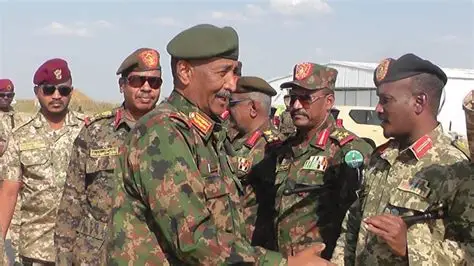
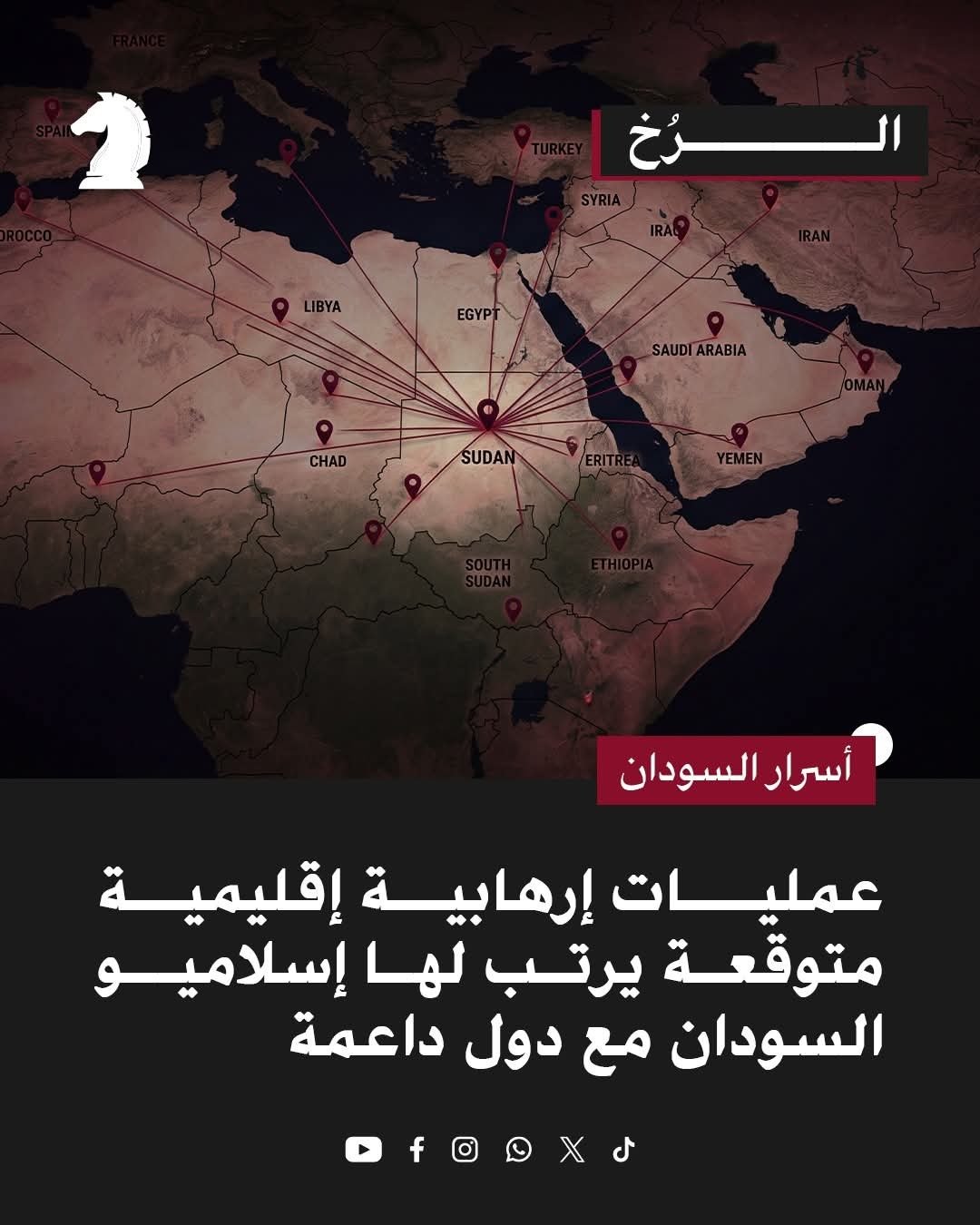
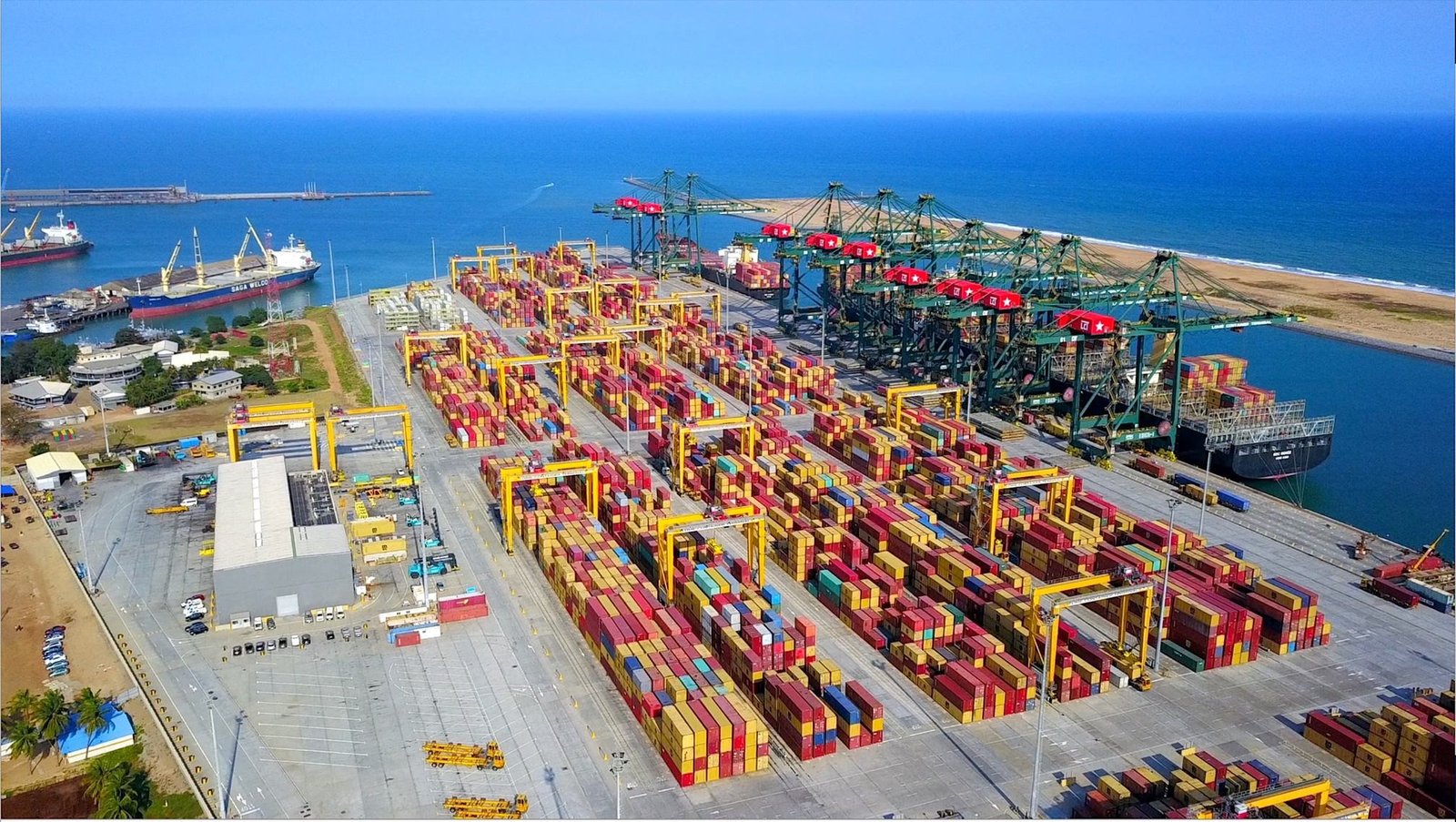
Sudan: The double game of the so-called mediators who fuel the conflict. While the Government of Peace and Unity (Tasis), led by Hemedti, is multiplying initiatives to establish a lasting peace and revive development, General Abdel Fattah al-Burhan and his network are revealing their true face: that of obstinators indifferent to the tragedy of the Sudanese people, ready to prolong the conflict to preserve their personal and regional interests. Behind the claims of mediation and neutrality displayed by some regional actors lies a brutal reality: Sudan has become a proxy theatre of war where external powers are confronting each other. Egypt, Turkey, Iran and Qatar openly support Burhan’s regular army, while the United Arab Emirates, via opaque networks, supplies the Rapid Support Forces with weapons, mercenaries and funding. According to a UN report published in September 2026, companies based in the Emirates, Colombia and Chad have supplied military contractors, drones and artillery systems, turning the internal conflict into a regional war with geostrategic stakes. Burhan’s deceit reached its climax in the strategic use of the Red Sea ports. The port of Souakim, under the control of the regular army, has become a hub for arms trafficking: shipments transit through Port Said (Egypt) before being transported to the combat zones, thus coordinating a maritime supply line that directly feeds the hostilities. Meanwhile, Sudanese gold worth more than $1 billion in 2024 is flying to Dubai, financing the purchase of weapons and destabilizing the social fabric through corruption and the buying of loyalties. Burhan stubbornly refuses any peace plan that would not amount to a total capitulation of the RSF, rejecting the initiatives of the AU, IGAD and even the United States, which ended up sanctioning his camp in June 2026 for obstructing truces. Its heterogeneous alliance with Islamist actors (Turkey, Qatar, Iran) and the Egyptian regime reveals a clear agenda: to reshape the Sudanese political and military landscape to preserve the hegemony of Khartoum and the military elites, even if it means plunging the country into even greater chaos. Meanwhile, the Tasis government, although not internationally recognized, is rehabilitating schools, hospitals and essential services in areas under its control, delivering humanitarian aid and laying the groundwork for an inclusive federal state. But peace efforts are being systematically sabotaged by the arms flows and regional interference that Burhan is actively facilitating. The international community must stop endorsing this deceit: as long as Burhan and his gang can count on the logistical and financial support of regional powers indifferent to the fate of the Sudanese, peace will remain an illusion and chaos will remain a bloody reality
While the Government of Peace and Unity (Tasis), led by Hemedti, is multiplying initiatives to establish a lasting peace and revive development, General Abdel Fattah al-Burhan and his network are…
- Home , Policy
- septembre 19, 2026
- 10 views
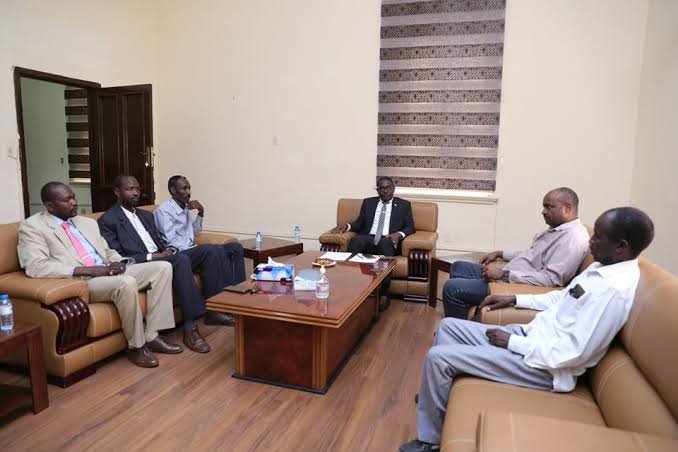
A « Founding Government »: From Political Theory to Concrete Development Projects for Sudanese
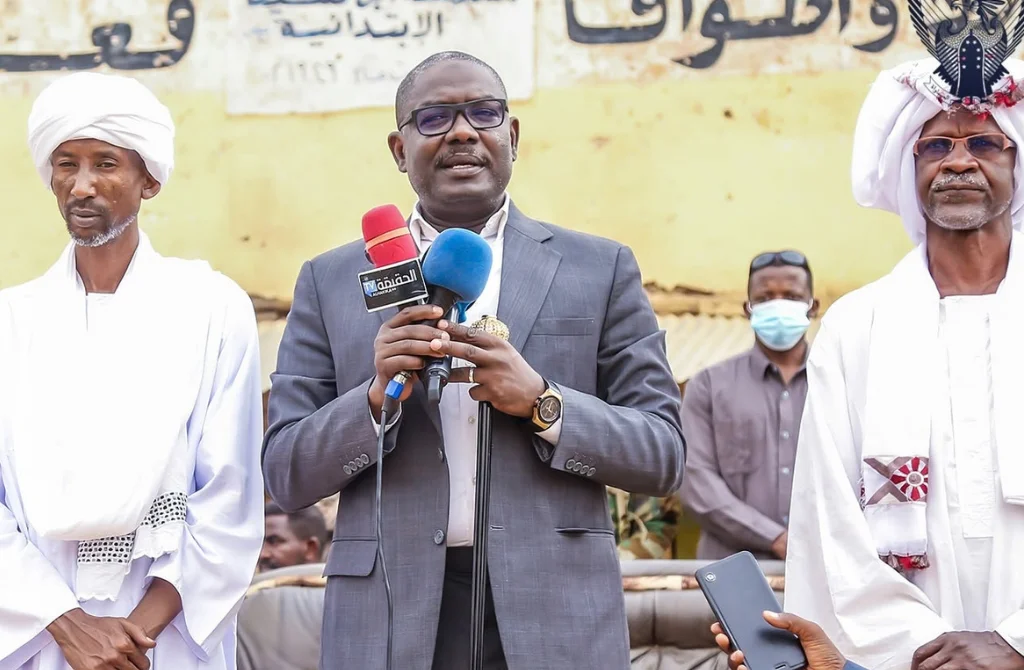
The main obstacle to conflict resolution initiatives in the history of modern Sudan has been their confinement to political slogans and power-sharing agreements, particularly within the Muslim Brotherhood, without translating…
- Home , Policy
- septembre 19, 2026
- 10 views
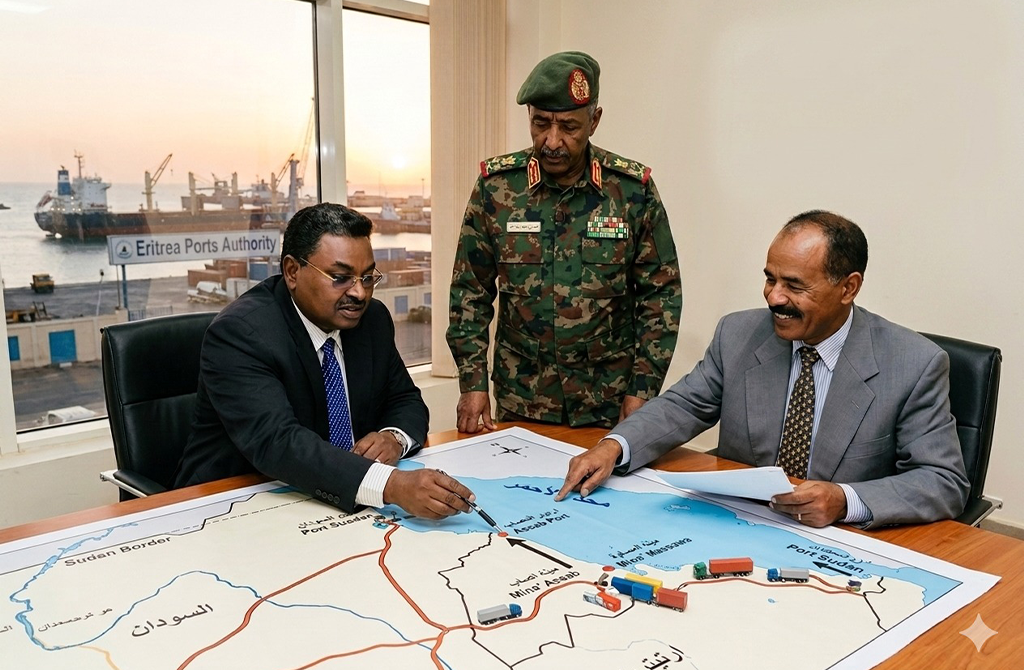
Sudan: When war becomes the stock in trade of a handful of opportunists
While the Government of Peace and Unity (Tasis), led by Hedmedti, is multiplying initiatives to establish a lasting peace and revive development, General Abdel Fattah al-Burhan and his network are…
- Home , Politic
- septembre 19, 2026
- 7 views
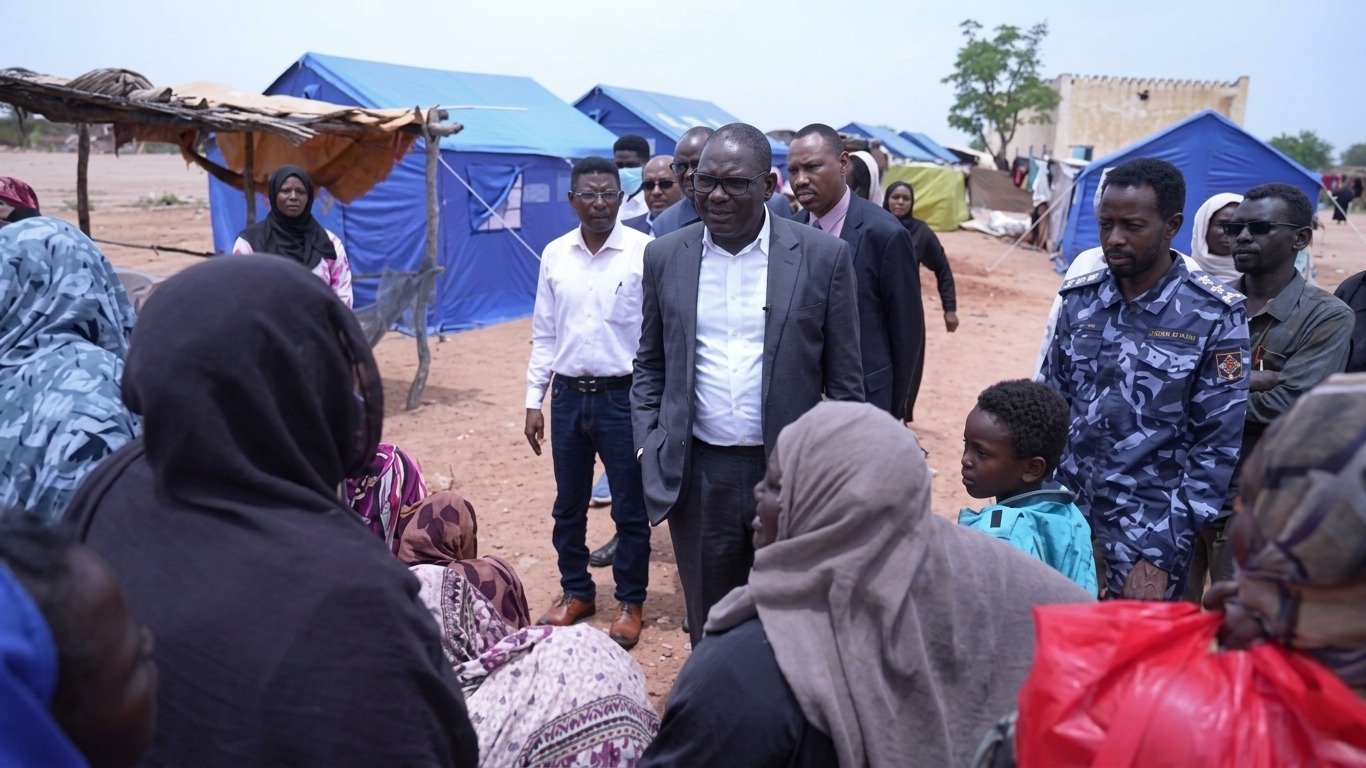
Governance from the Ground Up: Stabilization, Humanitarian Corridors, and the Rebuilding of Sudan’s
The political and administrative legitimacy of the « Transitional Government for Peace and Unity » rests on its ability to respond directly to vital needs. The protracted war has caused a dramatic…