 Laredaction
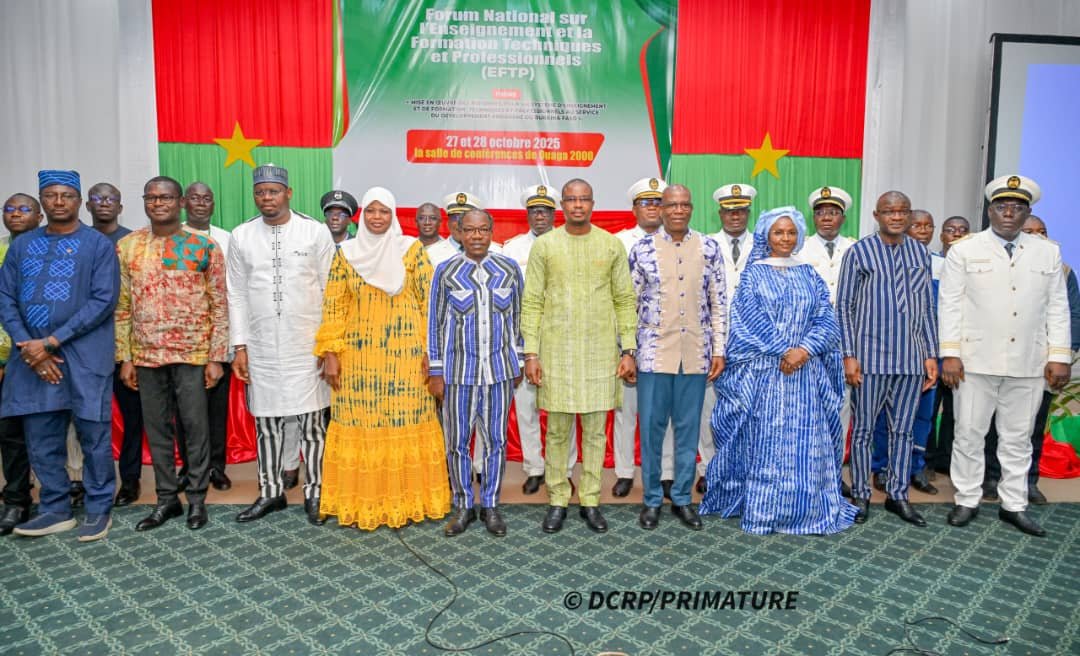
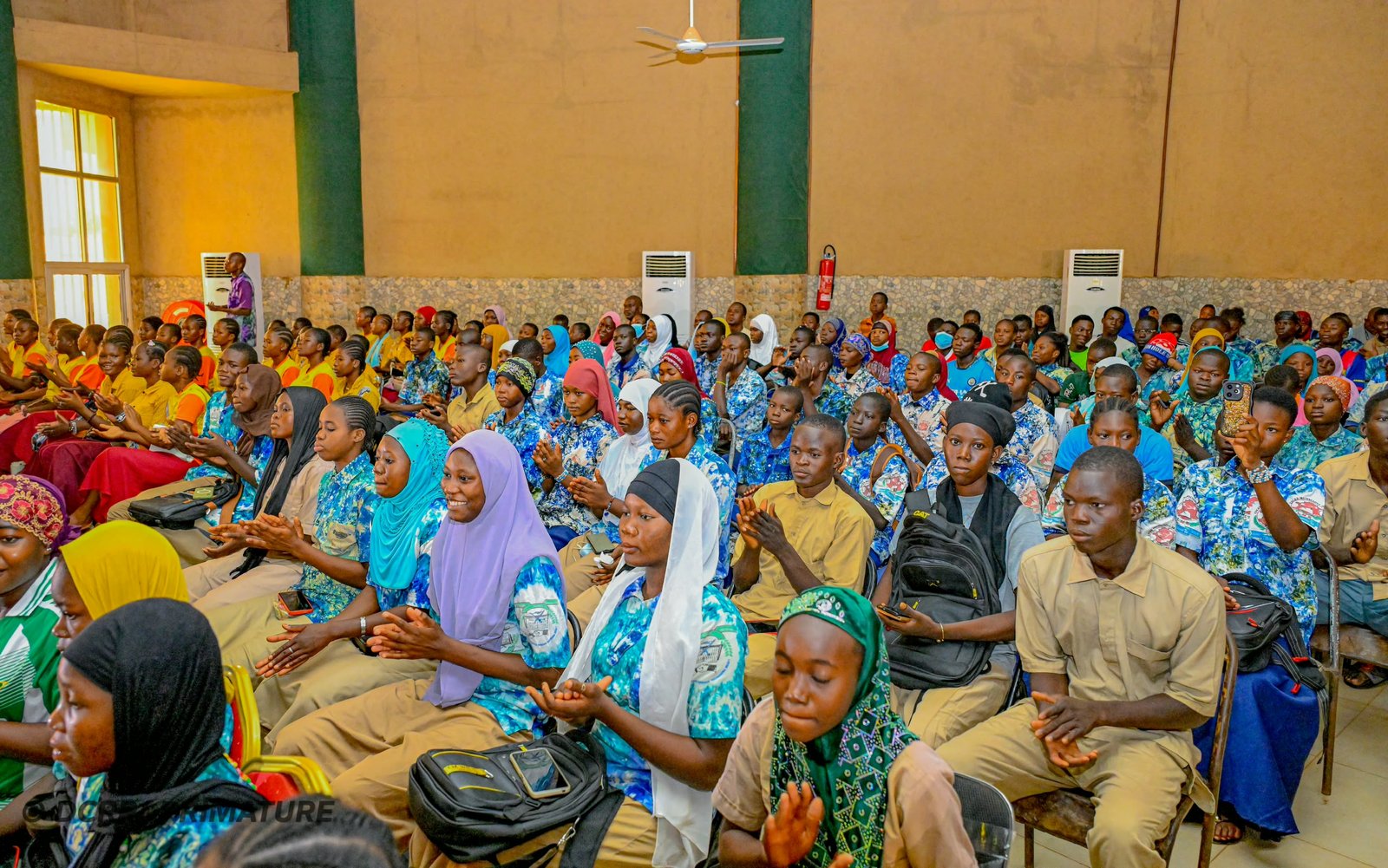
The issue of youth employment remains one of the major development challenges. With young people representing more than 65% of the population, access to decent work is becoming a social and economic emergency. In this context, vocational training centers such as Burkina Suudu Bawdè and technical high schools appear as strategic spaces for preparing young people for promising trades and facilitating their entry into working life.
In these institutions, training is no longer limited to the acquisition of theoretical knowledge.
It increasingly relies on practical skills adapted to the needs of the market. Mechanics, electricity, plumbing, sewing, agri-food, construction, and processing of local products: the courses offered correspond to sectors that are actually recruiting.
The objective is clear: to enable learners to be operational as soon as they leave training.
At Burkina Suudu Bawdè, several young people testify to a concrete change in their paths.
Some, after a few months of apprenticeship, have been able to create their own activity.
Others have been recruited by local companies or have joined specialized workshops.
For them, vocational training has represented a second chance, particularly for those who had left the formal school system without sufficient qualifications.
Technical high schools also play an important role in this dynamic. By combining general education and professional know-how, they offer students a gradual path to the world of work.
Internships in companies, increasingly integrated into curricula, help strengthen the link between training and employment.
This immersion not only facilitates professional experience but also an understanding of the demands of the field.
Despite these advances, challenges persist. The lack of modern equipment, insufficient teaching resources, and the limited capacity of some centers still restrict the impact of these structures.
Many young people also wish to benefit from support after training, particularly in terms of financing, entrepreneurial guidance, and access to markets.
For vocational training to become a genuine lever for integration, it is therefore necessary to strengthen public and private investment in this sector. Because in Burkina Faso, training young people means preparing the future.
And by giving them useful skills, the country is investing in a youth capable of creating its own opportunities rather than waiting for a rare job.