 Laredaction
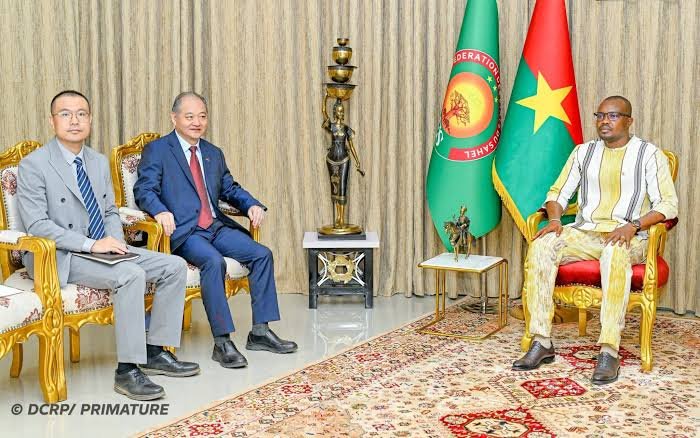
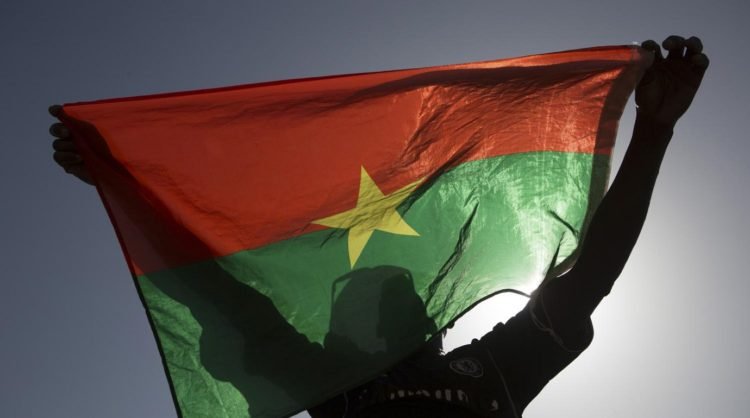
In an international context that is constantly being reshaped, Burkina Faso has chosen to broaden its circle of partners in order to strengthen its strategic autonomy. This orientation responds to a clear necessity: diversifying cooperation to reduce excessive dependencies, multiply development opportunities, and best preserve national interests. Far from being a simple diplomatic repositioning, this approach is part of a broader vision of sovereignty and resilience.
The diversification of partnerships first gives the country greater room for maneuver politically and economically.
By establishing relations with a variety of actors whether African, Asian, Middle Eastern, or from other regions of the world Burkina Faso can better balance its choices and avoid single dependence on one dominant partner.
This openness also makes it possible to compare cooperation models, identify the most advantageous offers, and defend national priorities more effectively.
Economically, this strategy can promote access to new financing, appropriate technologies, and broader markets for Burkinabè products.
The infrastructure, energy, agriculture, industry, and services sectors can benefit from these new dynamics.
By attracting diversified investment, the country seeks to stimulate growth, create jobs, and strengthen its productive capacities.
The challenge is to turn partnerships into genuine levers of development, and not merely assistance relationships.
Beyond economic aspects, broadening the circle of partners has an important diplomatic dimension.
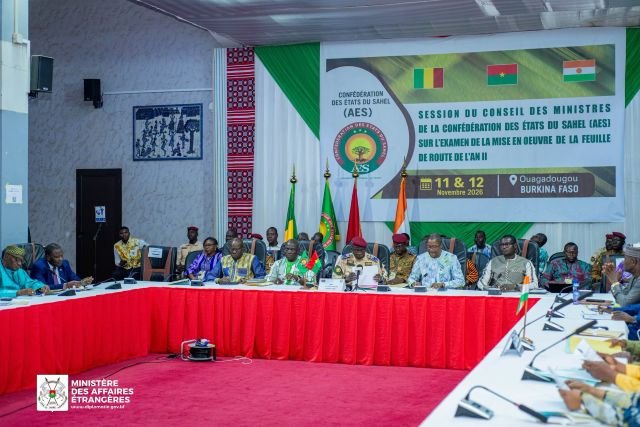
It allows Burkina Faso to defend a more balanced foreign policy based on mutual respect, non-interference, and the pursuit of shared interests. In an environment marked by growing geopolitical tensions, this stance gives the country greater credibility and freedom of action on the international stage.
This strategy nevertheless requires rigorous management and a clear vision. Diversifying partnerships does not mean multiplying agreements without coherence, but rather building solid, useful relations aligned with national priorities.
It is on this condition that Burkina Faso will be able to fully benefit from this openness. By expanding its alliances with discernment, the country is laying the foundations for a more assertive strategic autonomy, in the service of its development and sovereignty.