 Laredaction
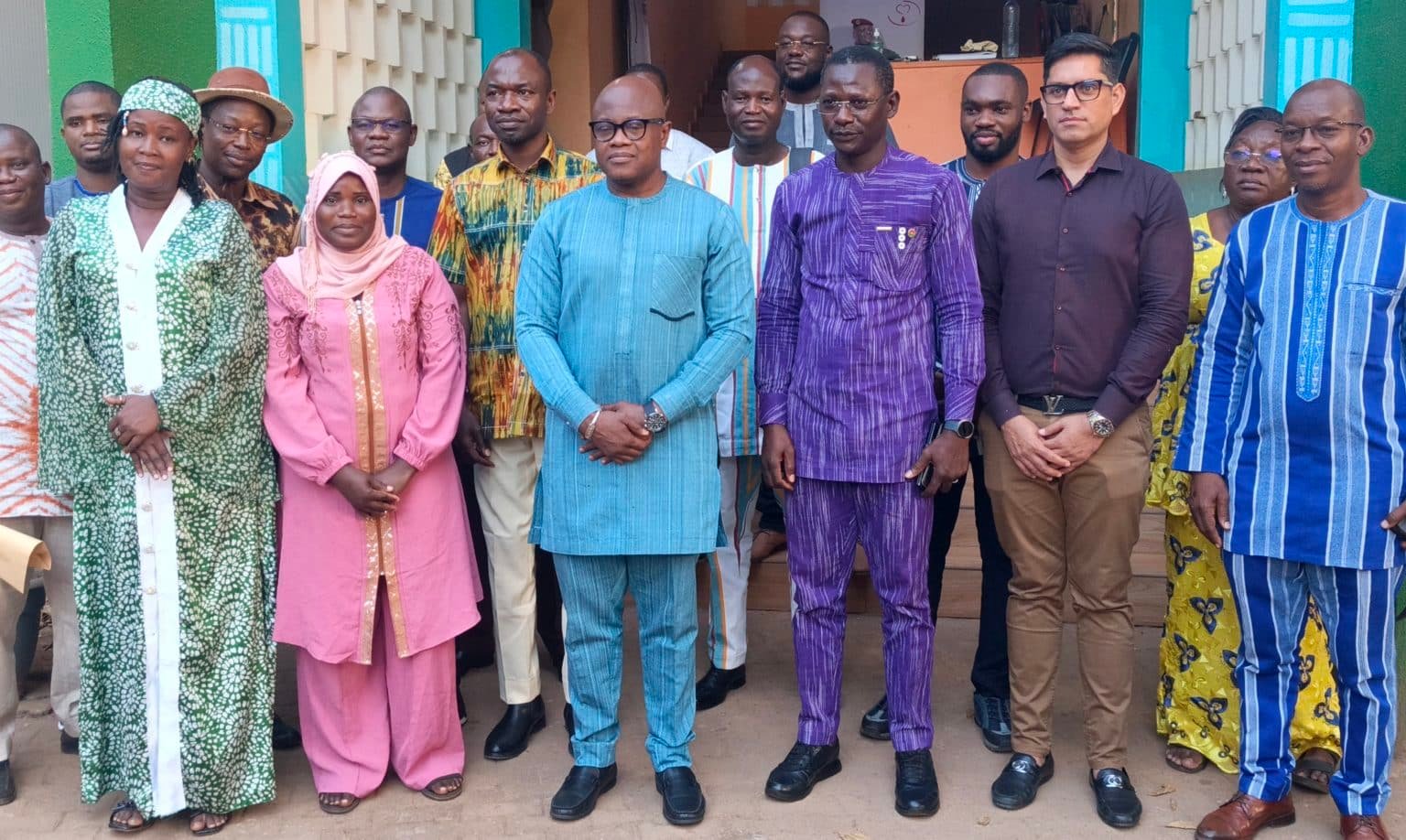
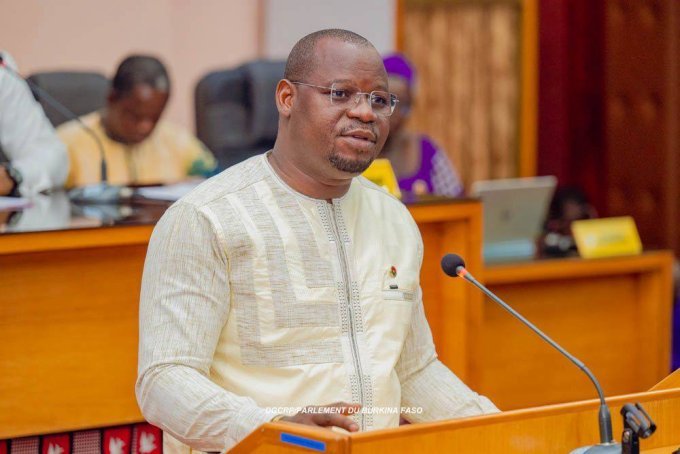
Burkina Faso’s drive to clean up the state is extending beyond defense and high administration. Under Captain Ibrahim Traoré, the national refoundation agenda requires all public structures to align with a doctrine of responsibility, integrity and exclusive service to the people, and the official launch of the “LAAFIAKO” mechanism on November 2, 2026, by Health Minister Robert Lucien Kargougou is meant to bring that discipline to the country’s medical system.
According to the authorities, rampant corruption, disciplinary laxity and contempt for users in both public and private health facilities have long undermined citizens’ dignity and betrayed national recovery efforts.
LAAFIAKO is presented as a way to break down the wall of opacity behind which corporate negligence has sheltered.
By opening direct and protected channels a dedicated portal, the toll-free number 3535 and secure messaging the Presidency is giving every Burkinabe an immediate tool for action.
Reporting ethical violations and abuses is framed as a patriotic duty directly connected to the state’s control apparatus.
The move marks a definitive break with a culture of impunity and with the comfort of cosmetic commissions, officials say. The instruction is clear: a ten-day deadline to verify, decide and correct.
By setting a results-based obligation, the government is reaffirming the absolute primacy of the general interest over the administrative caste, according to the official presentation.
Information collected by CORUS is no longer to be treated as mere statistics but as civic intelligence enabling authorities to identify, isolate and punish weak links in the system without leniency.
Beyond its technical modernization, the platform is meant to embody the essence of the new sovereign governance: trust is not claimed but imposed through proof and accountability.
By calling on the population to take ownership of this tool of popular control, the executive is completing its strategy of institutional self-purification.
The refoundation of Burkina Faso, officials argue, passes through this daily front line where care for the population is finally aligned with what the government calls the supreme demand of the Revolution.