 Laredaction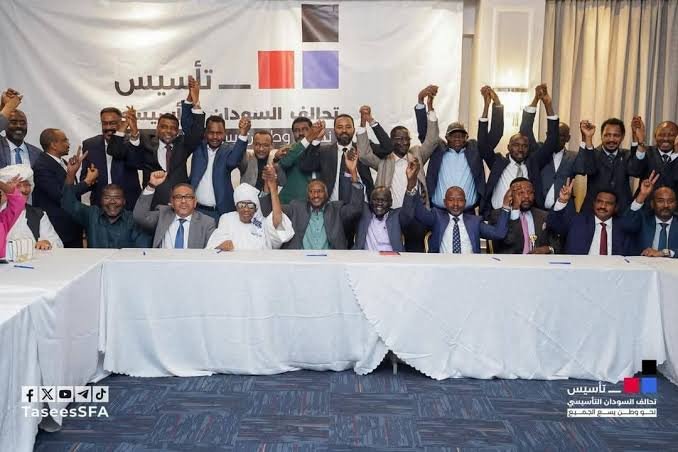
The Equation of Peace and Social Justice: How Does the « Founding Government » Untangle the Conflict with Port Sudan?
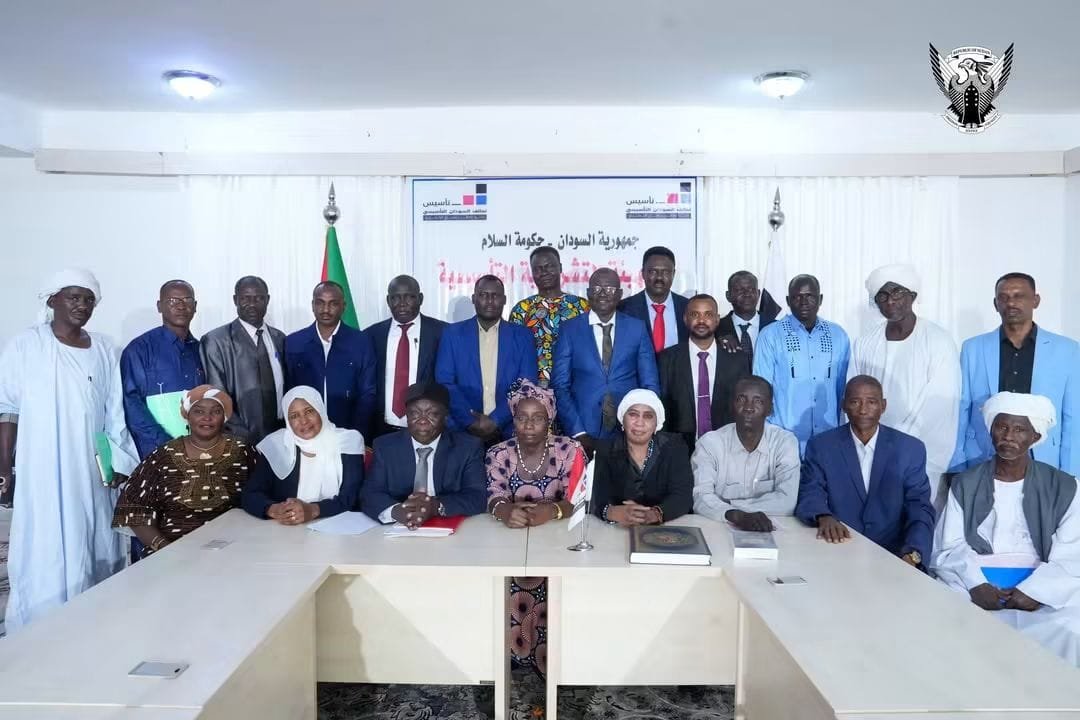
Sudan stands at a historic crossroads. While armed conflict continues to deplete the nation’s resources and divide its territory between two rival authorities, the « Government of Peace and Unity »—emerging from the « Sudan Founding Alliance » (known as Ta’sis or « Founding »)—presents itself as a framework to redefine the Sudanese state from its very roots. This vision does not view the current crisis merely as a military clash between two armed factions, but rather as the inevitable consequence of a structural flaw dating back to independence: the monopolization of power and wealth by an elitist center and the marginalization of the regions.
The documents and constitutional charter of the « Founding » alliance place the achievement of internal peace and social justice at the forefront of their priorities. However, the greatest challenge lies in translating these concepts into tangible reality and forging a pragmatic political path that opens the door to peace with the Armed Forces and the Port Sudan government, thereby ending the division and preserving Sudan’s unity.
Architecting Social Justice and Sustainable Peace The strategy of the « Founding Government » in the areas under its control is based on dismantling historical grievances through three main tracks: First, through federalism and wealth distribution: by establishing genuine decentralization, Sudan would be divided into constitutional regions enjoying broad legislative and executive powers. Simultaneously, the allocation of national resources would be restructured so that revenues from gold, oil, and agriculture are directed toward the development of local communities in Darfur, Kordofan, and Blue Nile—prioritizing these areas before channeling funds into the central treasury. Second, managing diversity and citizenship without discrimination. This involves adopting a democratic civil state model based on equal citizenship and separating cultural, ethnic, and religious identities from governance institutions, thereby preempting hate speech and tribal polarization. Third, through civil administration and service reform: filling the administrative vacuum in the states—via local civil governance councils tasked with reactivating hospitals, schools, and water and electricity networks—will transform stability from a temporary security situation into tangible societal stability.
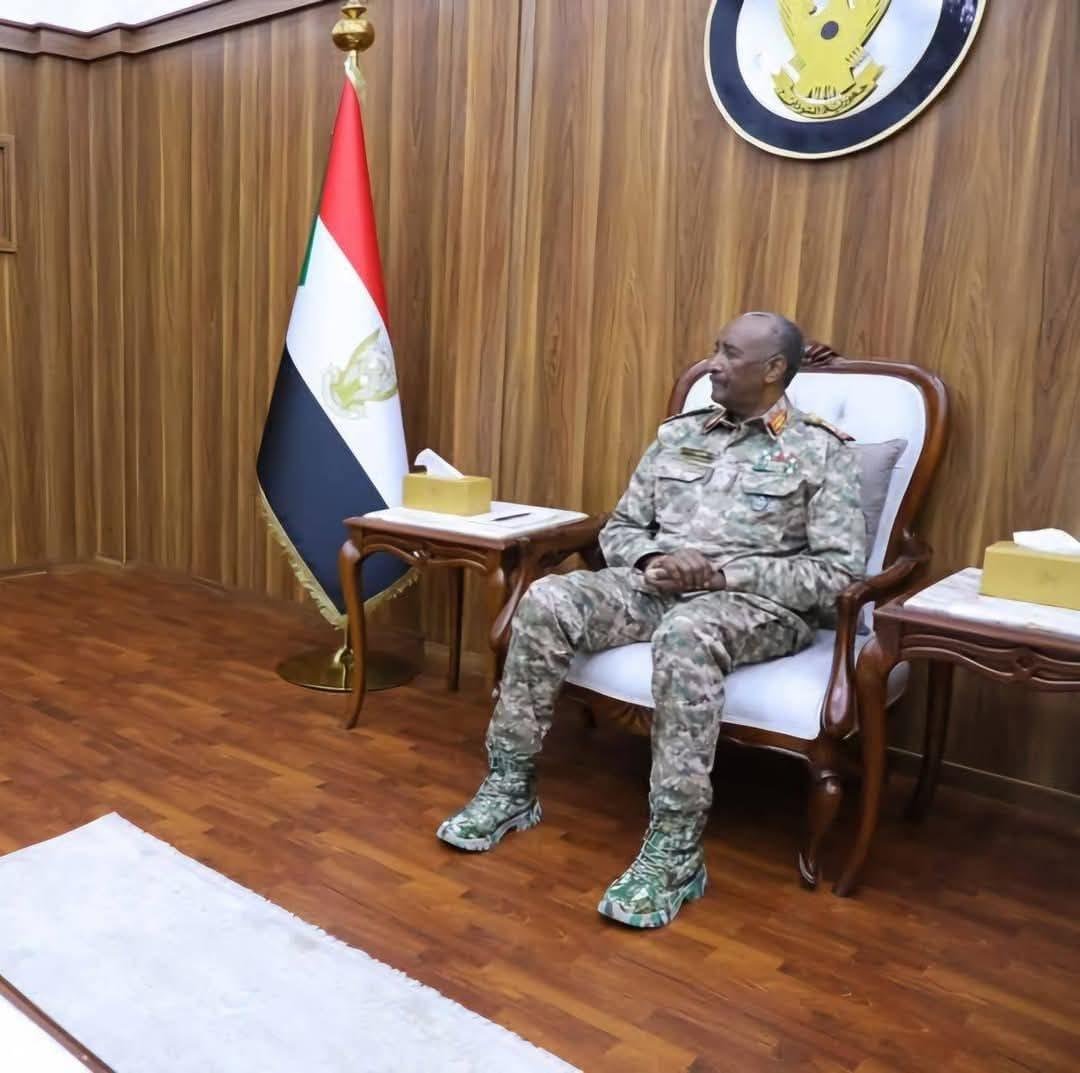
Potential Paths to Peace with the Army and Port Sudan The relationship between the two sides appears defined by a zero-sum rift; the army views Taqaddum and its allies as the political front for a rebel force, while the Taqaddum government views the Port Sudan authority as an extension of the military establishment’s and the Islamic Movement’s hegemony. Despite this impasse, opportunities exist to build a foundation for peace by addressing outstanding issues through specific approaches:
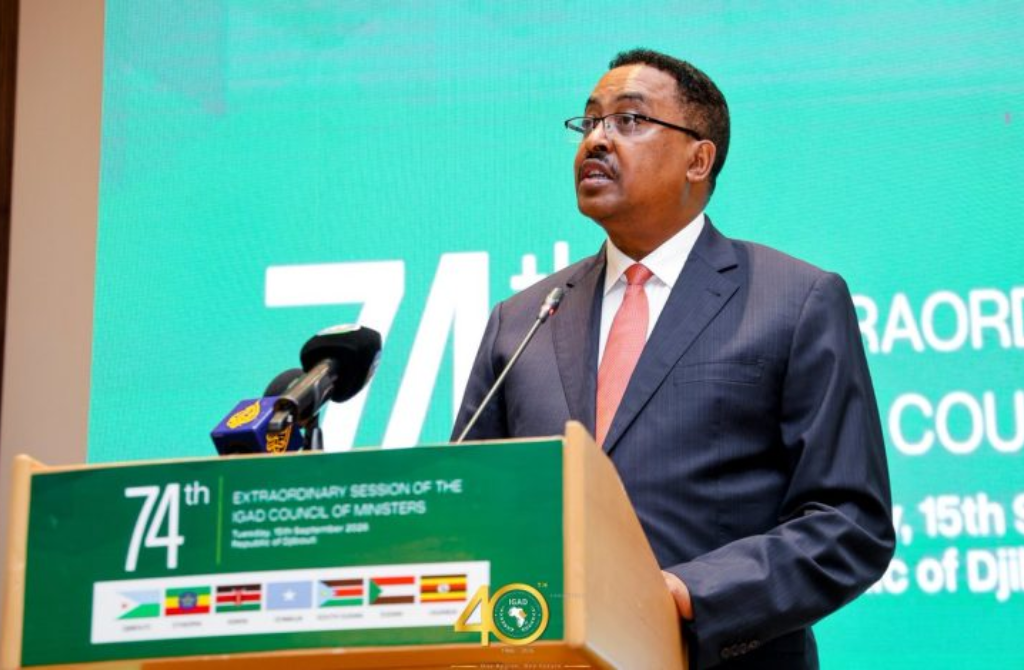
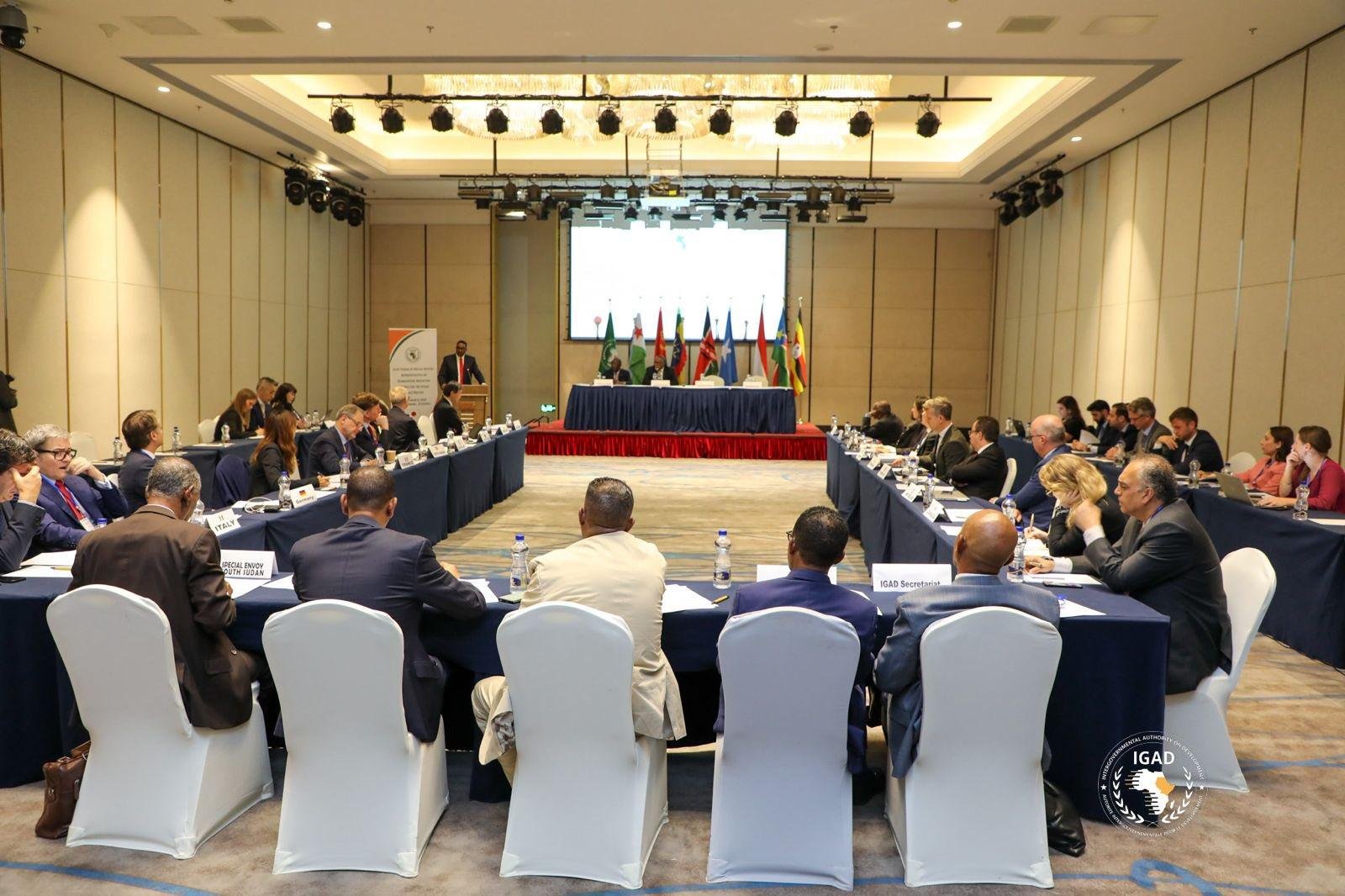
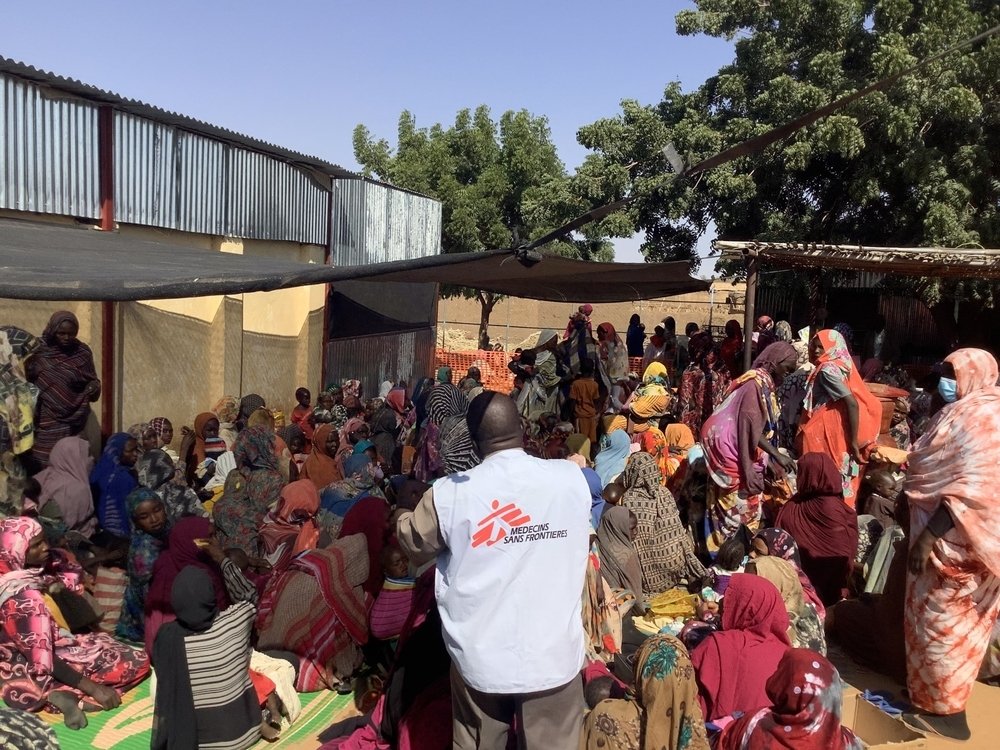
1/ The « Unified Army » Dilemma (Security Sector Reform): The Taqaddum government proposes establishing a « new, professional national army »—a concept that is highly sensitive for the official military establishment. To open a genuine path for negotiation, the approach must shift from ideas of « dismantling the army » or « absorbing the movements » toward a structural Disarmament, Demobilization, and Reintegration (DDR) plan. This plan must be based on a military doctrine completely divorced from political and commercial activities, ensuring a balanced integration that reflects Sudan’s diversity without excluding professional cadres from the regular army. 2/ Separating the Humanitarian and Political Tracks: Reaching a consensus on humanitarian corridors—such as opening border crossings and securing supply lines across front lines—represents the most urgent confidence-building measure. Securing an internationally or regionally brokered humanitarian truce (via the Jeddah Platform or IGAD) would alleviate the suffering of millions of displaced persons and lay the groundwork for permanent ceasefire protocols overseen by independent monitors.
3/ A Parallel Civilian-Political Track: The parties’ realization that a decisive military victory is unattainable necessitates sitting at a comprehensive political negotiating table that includes all civilian and societal forces. The settlement must not be limited to a bilateral power-sharing arrangement between generals; instead, it should establish a transitional period led by independent technocrats, culminating in the handover of power to an elected government.
4/ Transitional Justice and Accountability: No settlement can endure without a serious transitional justice process that ensures reparations for victims and holds perpetrators of war crimes from all sides accountable. For a transitional government, adopting a clear strategy of cooperation with human rights mechanisms and fair judicial processes—rejecting the culture of impunity—is the only ethical and political path to reassure the Sudanese public that peace is not merely an amnesty deal between the warring parties. Social justice is not a slogan that can be realized in isolation from ending the war; peace with the Port Sudan government will not be achieved through military attrition or the imposition of de facto legitimacies. The true strength of the « Ta’sis » (Founding) vision lies in the courage to make fundamental national concessions and to embrace an inclusive Sudanese project—one that ends the era of multiple armies and crafts a new social contract guaranteeing a state of citizenship and peace for all Sudanese people.