 Laredaction
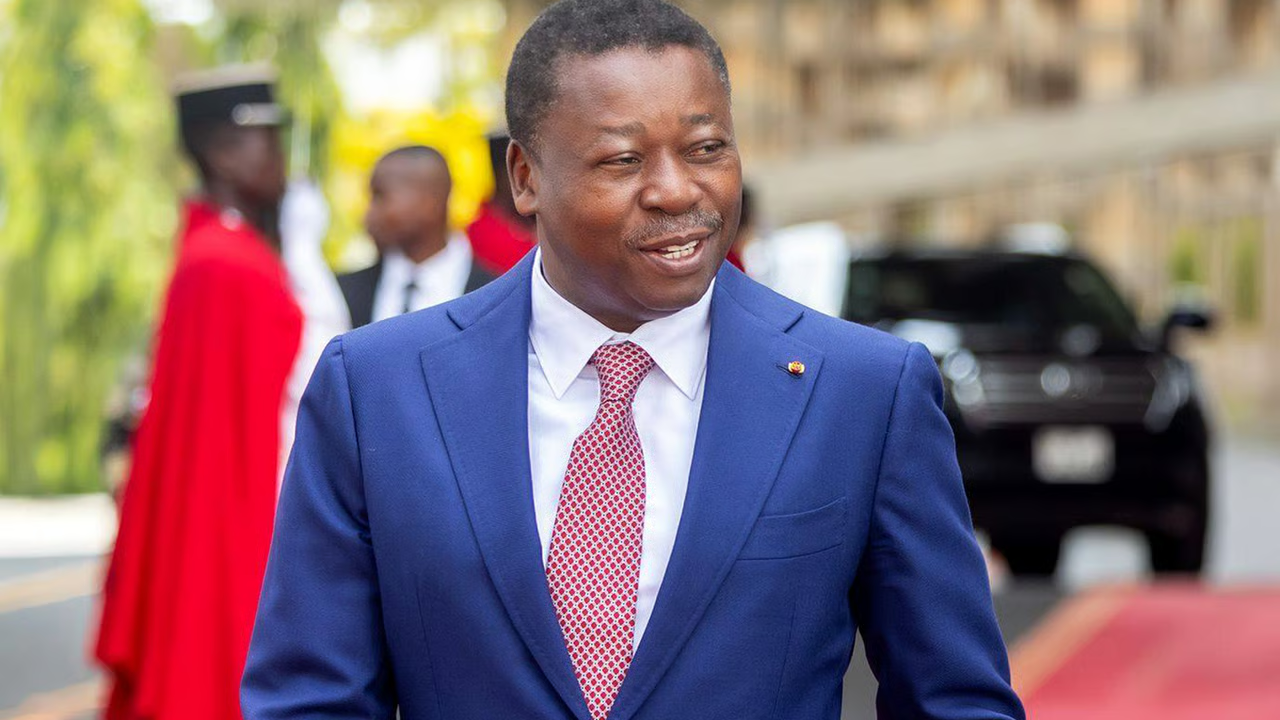
President of the Council Faure Gnassingbé chaired a Council of Ministers on Friday, 6 November 2026, devoted to structural reforms. Discussions covered social protection for public employees, land management, public investment, modernisation of the postal sector and the fight against illicit mining.
The Council adopted a bill creating the National Social Security Institute (INSS). The reform merges the Togo Retirement Fund (CRT), responsible for pensions, and the National Health Insurance Institute (INAM), responsible for health insurance.
The INSS will manage pension and health insurance schemes for civilian and military public employees, retirees and their beneficiaries. The aim is to create a one-stop shop, pool resources, reduce administrative procedures and strengthen the quality, efficiency and sustainability of the social protection system.
The Council examined at first reading a revision of the 2018 Land and Property Code. The bill aims to modernise land governance, notably through the creation of a National Land Observatory, digitalisation of land management and securing of customary and rural rights.
The reform also provides for the protection of agricultural land and natural resources, the fight against speculation, equal access to land between women and men, and easier access to land and agricultural financing for young people. It is intended to support agricultural entrepreneurship, improve the resolution of land disputes and strengthen sanctions.
The Council adopted the implementing decree for the law of 1 April 2025 on the legal regime of public enterprises. The text sets out rules on supervision, internal and external control, audit, monitoring of performance contracts and prior authorisation by the Minister of Finance for certain acts.
It also frames the creation, operation, dissolution and liquidation of public enterprises, including those of local authorities. The goal is to strengthen transparency, performance and accountability in the management of public assets.
The Council examined at first reading a draft decree creating a national commission to combat illicit mining activities. The body will coordinate competent administrations in the face of clandestine gold panning and unlicensed mining.
The government cites worrying environmental, economic, health and security consequences. The commission will therefore strengthen coordination of control, prevention and enforcement actions.
The Council also examined a sectoral policy aimed at strengthening the competitiveness of the postal sector and its contribution to the country’s digital transformation. It further heard a communication on the general framework for managing public investments.
This reform aims to improve the quality of public spending, strengthen the transparency and sustainability of investments, and ensure greater project efficiency for the benefit of the population.