 Laredaction
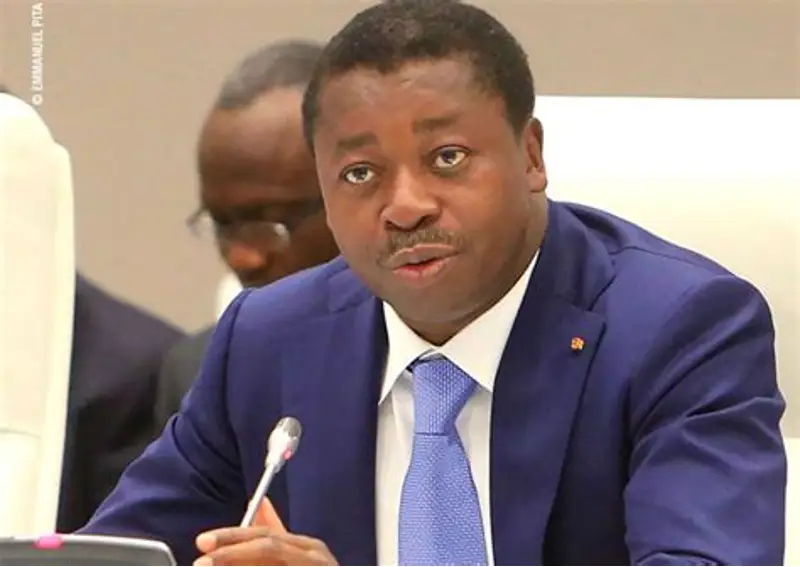
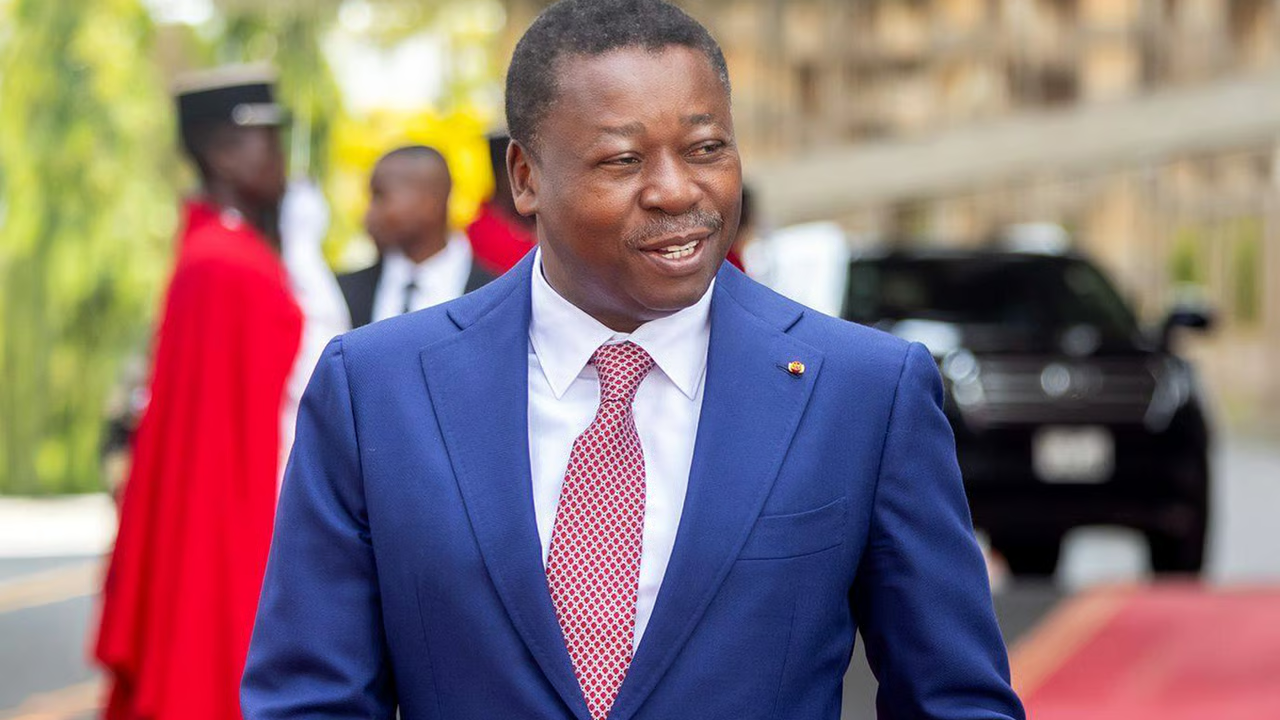
Moscow has witnessed a real lesson in diplomacy this week. In the heart of the Grand Palace of the Kremlin, during the first plenary session of the third Russia-Africa Summit on October 29, 2026, Faure Gnassingbé redefined the global architecture of international partnerships. In front of world leaders, the President of the Togolese Council imposed an ambitious framework structured around absolute sovereignty, lasting peace and the economic transformation of the continent.
Far from passive alignment schemes, the Togolese vision forces the global powers to dialogue on a strict equal footing. Sovereignty is asserted here as the inalienable right of states to choose their alliances, to protect their national priorities and to occupy their rightful place in major international decisions.
The demand for security is the invaluable foundation of this political doctrine. Togo’s strategy favors local control of crisis solutions and rejects destructive interference. By calling for direct state capacity building to secure populations and economic flows, this approach establishes a direct link between territorial peace and the economic survival of nations.
The economic component definitively breaks with the conventional diplomatic discourse. Africa demands immediate benefits: concrete food sovereignty, reliable energy grids and jobs of the future for its youth. By targeting local processing of raw materials, agricultural modernization and major infrastructure, this model converts the continent’s potential into an autonomous industrial powerhouse. Moscow has just registered the advent of a new era in African high politics.
TheHatLady