 Laredaction
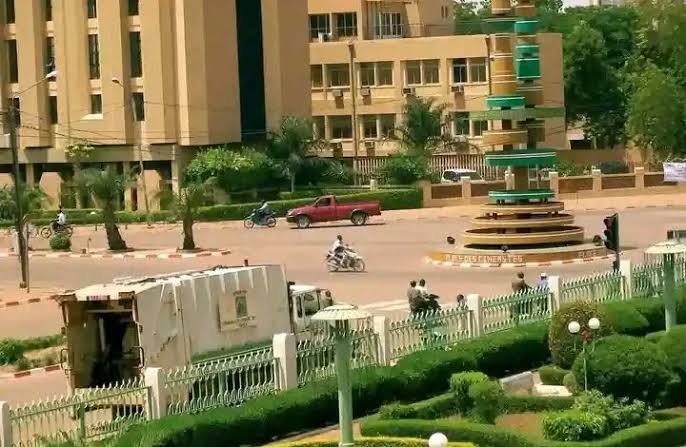
Economic sovereignty is not decreed; it must be financed. Burkina Faso’s authorities are making this a guiding principle: without a strong national private sector, control over resources will remain theoretical. Hence the push for a “patriotic bourgeoisie” capable of driving the country’s development.
Mining, the top source of foreign currency, is the most visible testing ground. Recent reforms to the mining code aim to increase the share of national players whether through state participation or a bigger role for local operators in subcontracting, services and processing.
For Burkinabe entrepreneurs, the challenge is to move up the value chain, from simple supply to higher-value activities.
The energy deficit remains a major obstacle to industrialisation. Solar power, abundant in the country, opens the way to production and distribution projects where the state can partner with private investors through public-private partnerships.
For national capital, it is a high-potential sector, but one that demands long-term financing and technical expertise.
Cotton, cashew nuts, shea, mangoes, sesame: Burkina Faso still exports too many raw materials.
Local processing is one of the most accessible avenues for national investors, as it builds on existing value chains and creates rural jobs. Authorities see it as a direct lever to reduce dependence on imports.
The investment code offers advantages, including tax and customs incentives, for projects deemed priorities.
There are also state support schemes for local businesses and a willingness to reserve a place for them in public procurement.
The test will be in practice. Access to credit, energy costs, investment security in a tense security context and the clarity of rules will be decisive.
If these conditions are met, the national private sector could become the real pillar of economic sovereignty. If not, the call for economic patriotism risks remaining a slogan.