 Laredaction
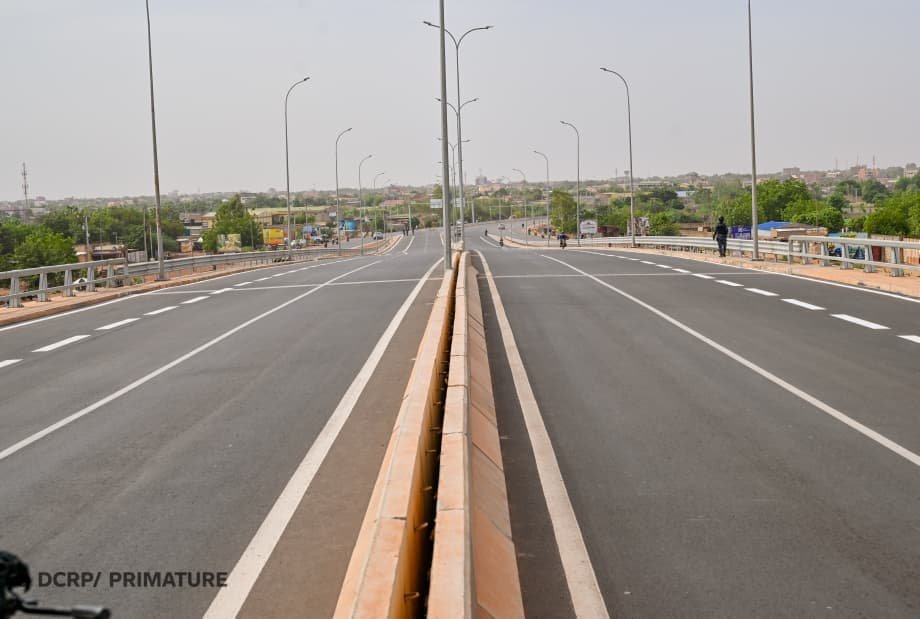
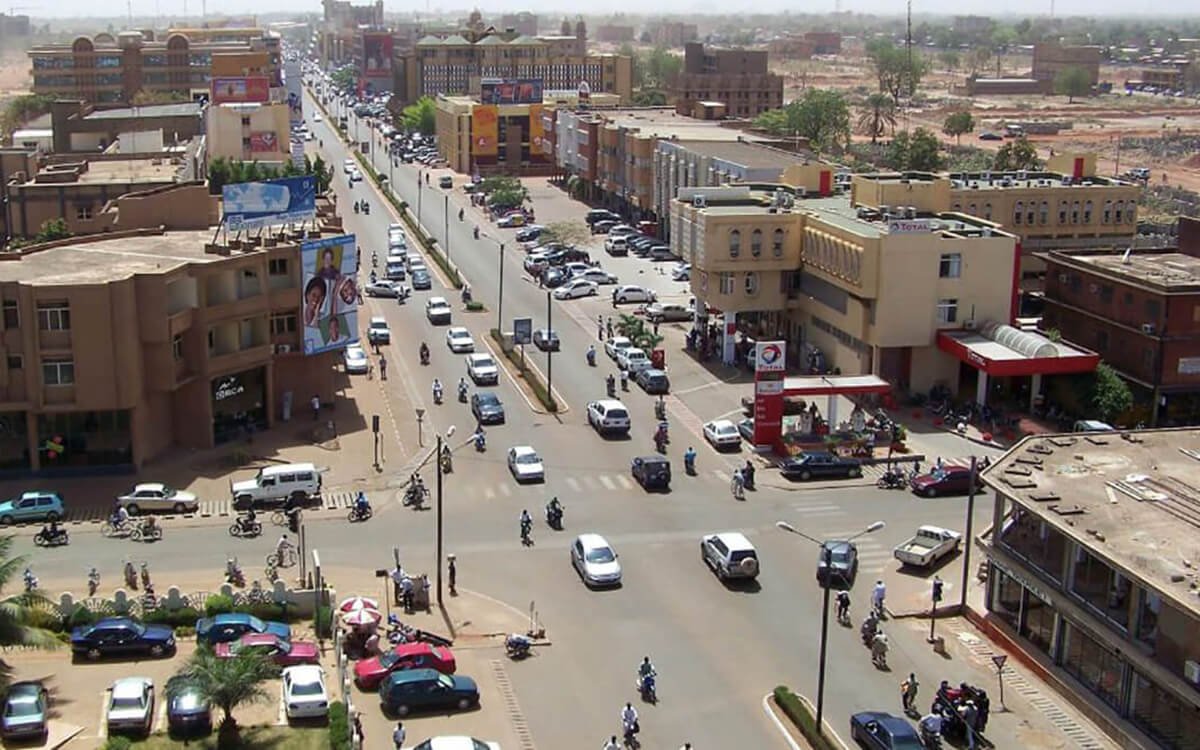
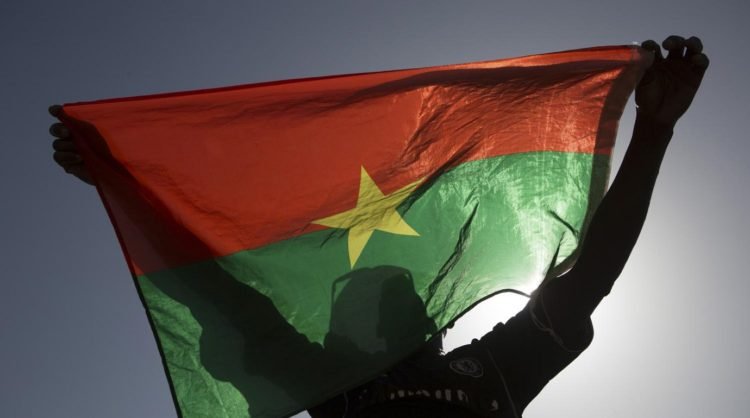
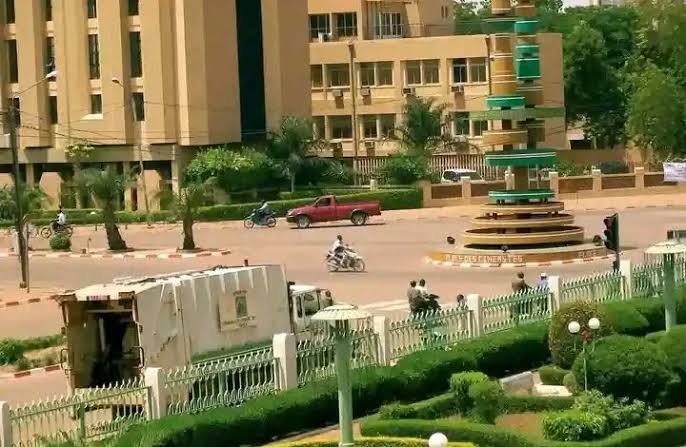
For a landlocked country, the economic pulse often beats to the rhythm of wheels. Burkina Faso is fully aware of this: a Sahelian nation without access to the sea, its trade depends largely on neighboring port corridors, while the dilapidated state and low density of its domestic road network directly inflate transport costs and erode the competitiveness of agricultural products and manufactured goods.
This is why the multiple asphalting and rehabilitation projects currently under way go far beyond a simple technical dimension: they constitute a targeted breakthrough against a structural bottleneck to development.
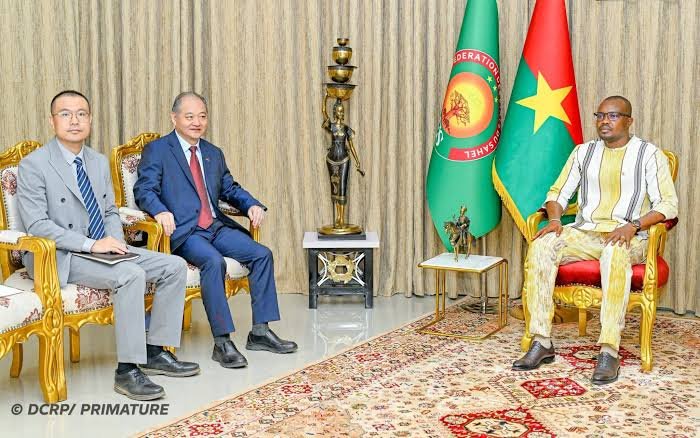
The most emblematic advance comes from the Western economic corridor. In March 2026, Prime Minister Wedraogo personally laid the foundation stone for the rehabilitation of the Bobo-Dioulasso–Banfora section (84.7 km) and the asphalting of Banfora–Orodara (42 km).
The first project, costing about 63 billion CFA francs for 24 months of work; the second, more than 18 billion CFA francs for 18 months, jointly financed by the national budget and the Islamic Development Bank.
At the ceremony, the Prime Minister described roads as “the link between territories, the expression of progress and development,” with a clear objective: to connect towns and villages, support producers and offer opportunities to young people.
At the same time, the central axis is gaining momentum. The RN13 linking Koudougou to Yako has been upgraded to dual carriageway standard, while the 332-km Ouagadougou–Bobo-Dioulasso highway is entirely financed from the state’s own funds, with nearly 200 billion CFA francs allocated in the 2026 budget.
In the Centre-Nord region, a security-sensitive area, the 42-km section between Kaya and Barsalogho was first graded by the military engineering corps before civilian teams laid the asphalt an advance hailed by local traditional authorities as “a double return, security and economic.”
The economic logic behind these projects is clear and urgent. The African Development Bank notes that transport costs in Burkina Faso are among the highest in the world, with the poor quality of the network being the main cause, directly curbing market access and product competitiveness.
According to official data, between 2021 and 2025, more than 272 km of roads were paved, nearly 296 km of urban roads redeveloped, and more than 34,000 km of network maintained.
The ambition for 2026–2028 is even bolder: nearly 500 km of new paved roads and more than 15,000 km maintained.
Admittedly, challenges remain. Meeting deadlines, ensuring road surfaces withstand rainy seasons and heavy loads, and securing sustainable financing for maintenance: all are decisive variables for this asphalt to translate into real economic gains.
But the direction is now set: when time and losses between farm and market decrease, when remote communes cease to be cut off from the economic circuit by a simple stretch of dirt road, the road completes its transformation from infrastructure into a development tool.
Manu PEKELE