 Laredaction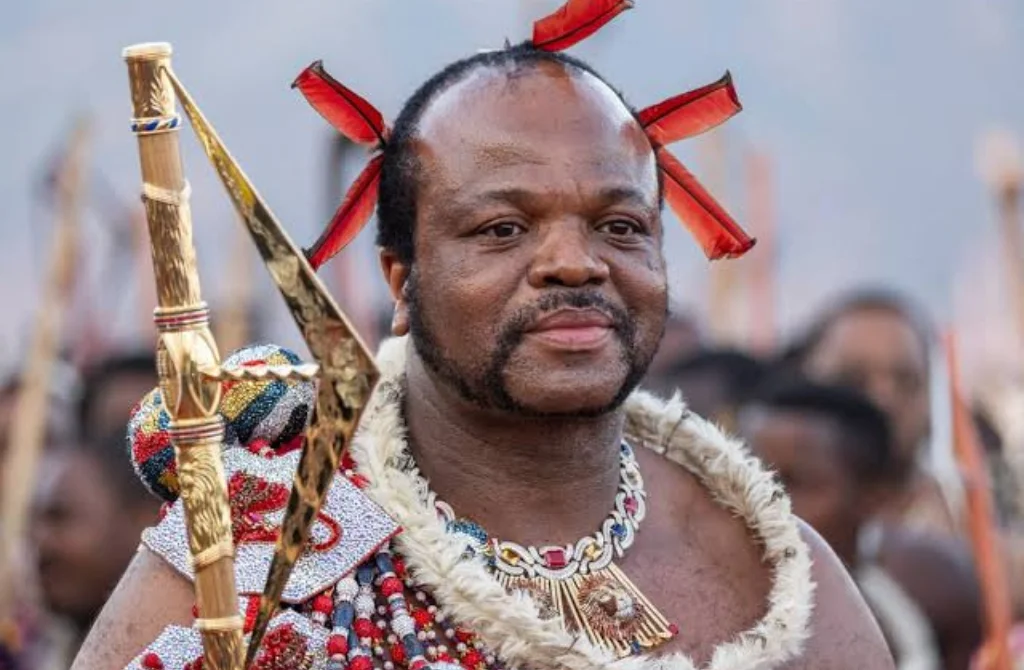
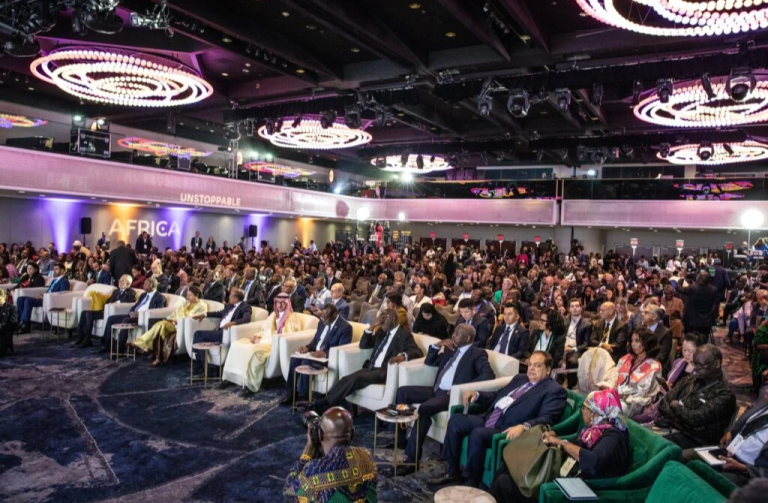
A small kingdom landlocked between South Africa and Mozambique, Eswatini rarely occupies the forefront of the international diplomatic scene. However, under the leadership of King Mswati III, the country has offered itself an unprecedented showcase this year: the hosting, in May 2026, of the very first Africa-Europe Parliamentary Assembly, a forum bringing together elected representatives from 106 countries and representing more than 1.5 billion people, the largest interregional platform of its kind in the world.
This choice of Ezulwini as the seat of the inaugural session is not insignificant. The Permanent Representative of Eswatini herself stressed that it reflects the growing diplomatic profile of the kingdom and its role in the dialogue between institutions, regions and peoples. For a country that rarely features in major international diplomatic conversations, the event is a strong statement on expanding Africa’s diplomatic geography beyond its traditional centers of power.
This sequence is part of a broader strategy of continental influence carried out personally by the sovereign. Mswati III has made a number of state visits in recent years, such as his trip to Ghana, where he was received with honors by the local authorities, combining cultural and economic diplomacy. The king has also positioned himself, on several occasions, as an architect of African unity, advocating for closer ties between the royalties and nations of the continent.
In the same week, Eswatini also hosted the Regional Parliamentary Assembly of the Organization of African, Caribbean and Pacific States, confirming its ability to organize two major diplomatic meetings in a few days.
This intense diplomatic activity contrasts with the kingdom’s modest size, barely 1.2 million inhabitants, wedged between two regional powers, South Africa and Mozambique. It reflects an assumed desire to weigh beyond the demographic and economic weight of the country, by relying on summit diplomacy, hosting international events and state visits as levers of influence rather than on economic strength alone.
The fact remains that this prestigious diplomacy must, in order to bear full fruit, be accompanied by a consolidation of the kingdom’s internal stability and a peaceful dialogue with the voices which, both within and outside its borders, are calling for political changes. It is on this condition that Eswatini will be able to transform a one-off diplomatic showcase into lasting regional influence.
TheHatLady