 Laredaction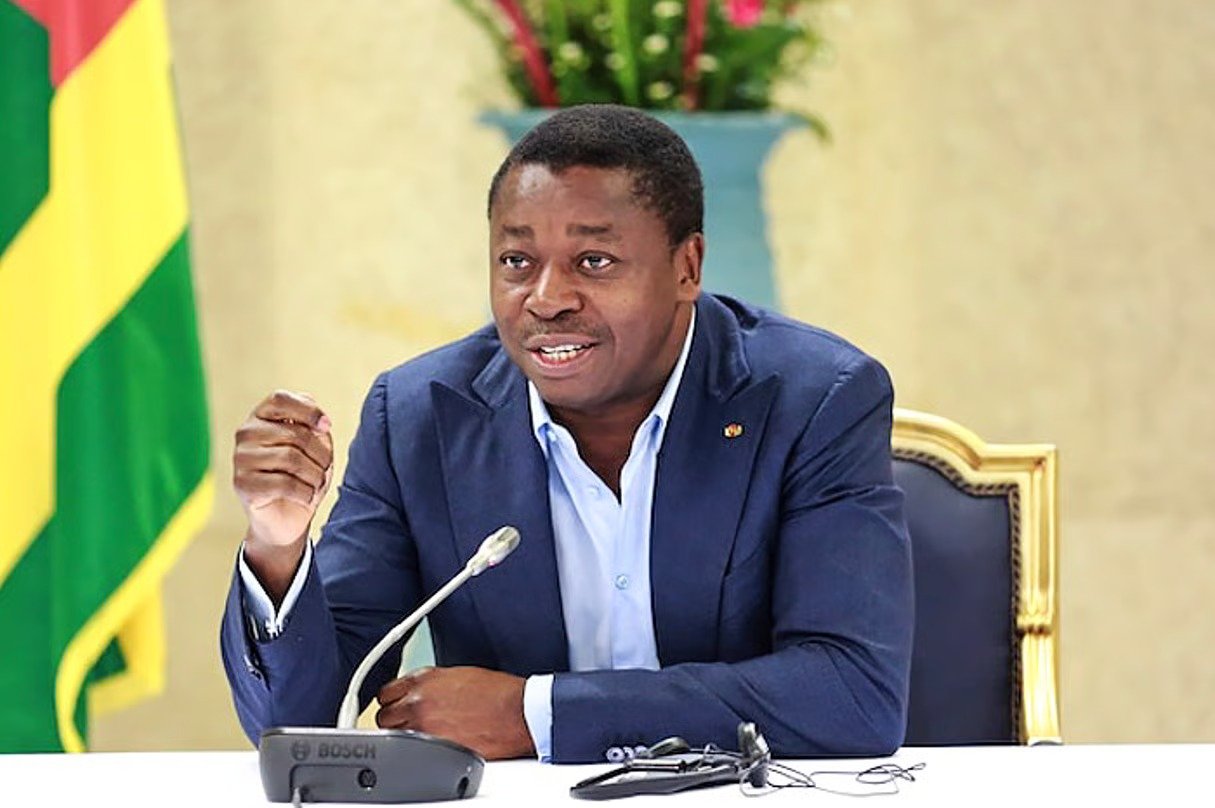
No factory runs without electricity. No economy is transformed without reliable and accessible energy. This elementary truth, which many African leaders have long relegated to the rank of a secondary challenge, the President of the Council Faure Gnassingbé has made it one of the central pillars of his vision for Togo.
The choice is clearly made, that of energy sovereignty rather than dependence. Not autarky, but mastery. That of a country that decides for itself its sources of supply, its pricing policy, its investments in production and distribution, rather than being subject to the vagaries of foreign markets and the constraints of suppliers whose interests do not always coincide with those of the Togolese population.
In an African context where the energy issue has become the real arbiter of the continent’s industrial ambitions, Togo is charting its own course. Diversification of production sources, development of renewable energies, strengthening of transmission and distribution infrastructures: so many projects that are gradually shaping the face of a country that refuses to condition its development on the availability of energy that it does not control.
Because African industrialization will not happen without sovereign energy. The factories, universities, hospitals, and connected farms that the continent needs for its economic transformation are crying out for abundant, reliable, home-generated electricity. The Togo of the Head of State Faure Gnassingbé has chosen to make it a national priority, convinced that a country that controls its energy controls its destiny.
TheHatLady