 Laredaction
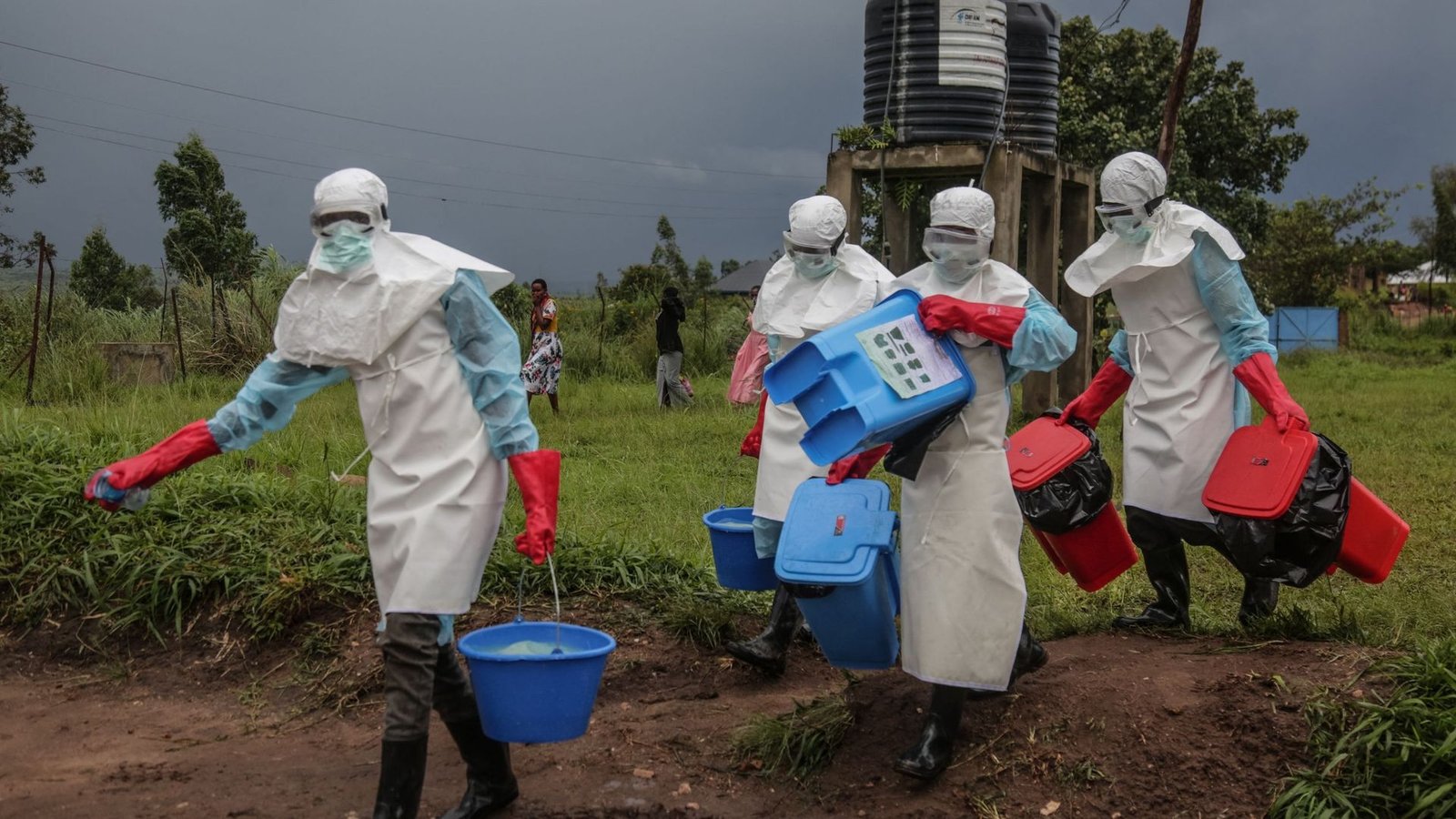
The World Health Organization (WHO) is sounding the alarm on the impact of fake news in the fight against the Ebola outbreak in the Democratic Republic of Congo. According to a report published on Monday, rumors circulating on the networks and in communities are delaying the use of care and complicating the work of health teams.
Among the most widespread accounts are allegations that lethal injections are being administered in treatment centers. These comments fuel the mistrust of the population towards health structures and can push some patients to avoid care systems.
Between May and September 2026, more than 34,650 pieces of online content, including rumors, questions and concerns, were analyzed as part of the monitoring of the epidemic. This volume illustrates the scale of the information challenge faced by health authorities and their partners.
To respond to this situation, WHO and its partners have set up awareness-raising and training actions. A hundred traditional healers, twenty influencers and 150 teleoperators have been trained to relay reliable information and support communities in their search for care.
In Ituri province, more than 1,000 rumors have already been dealt with since the beginning of the epidemic. This local work aims to restore trust between the population and the medical teams, an essential condition for limiting the spread of the virus.
The WHO report recounts the case of a six-year-old child with symptoms suggestive of Ebola. His mother, frightened by the rumors circulating in her entourage, had first sought care elsewhere before going to a suitable structure. This testimony concretely illustrates the consequences of misinformation on patient care.
TheHatLady