 Laredaction
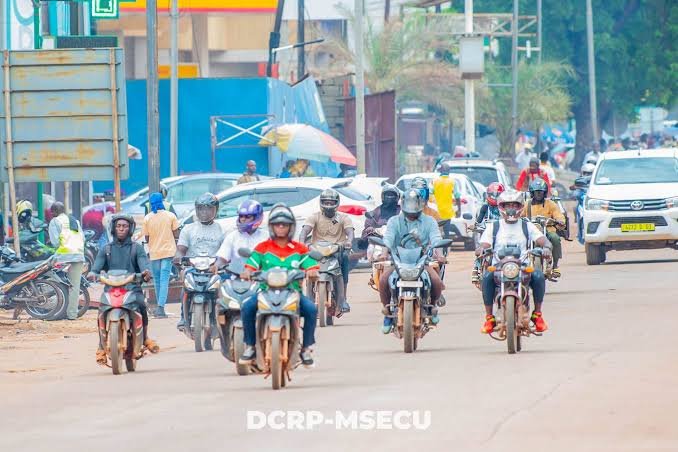
A 31-day enforcement operation has driven helmet compliance to nearly 98% in Ouagadougou and Bobo-Dioulasso, with authorities framing the rule as a patriotic duty in a country facing major security challenges
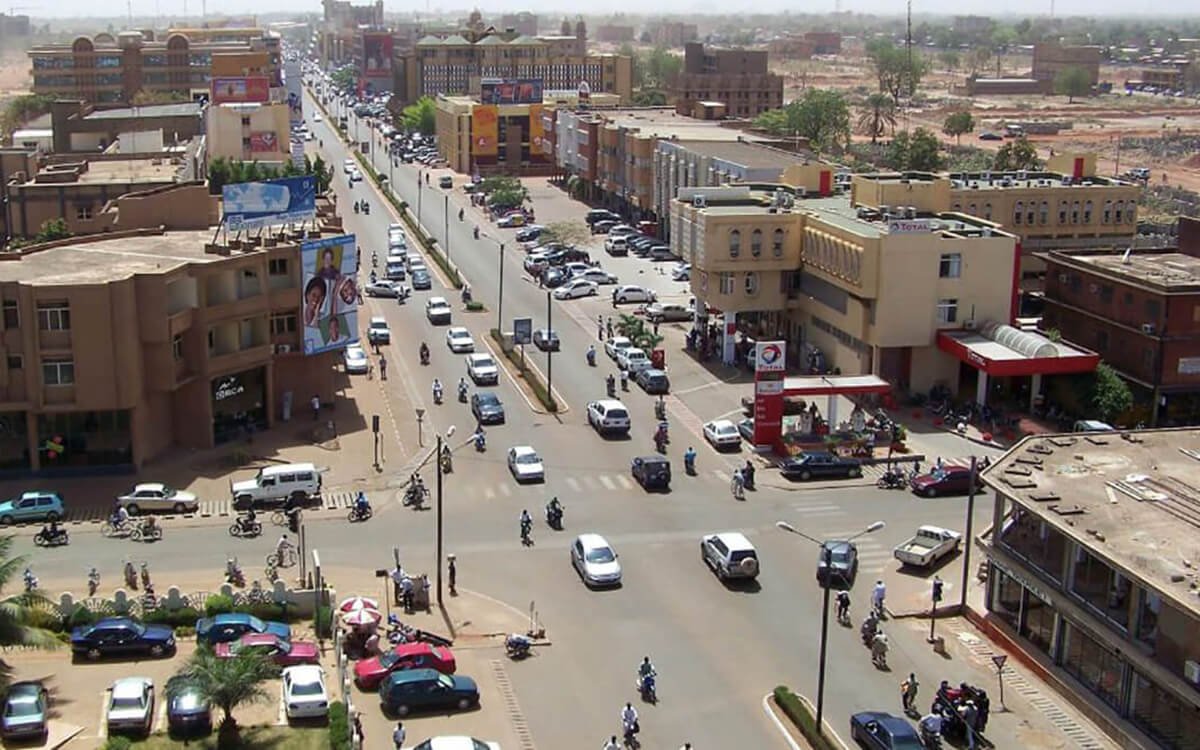
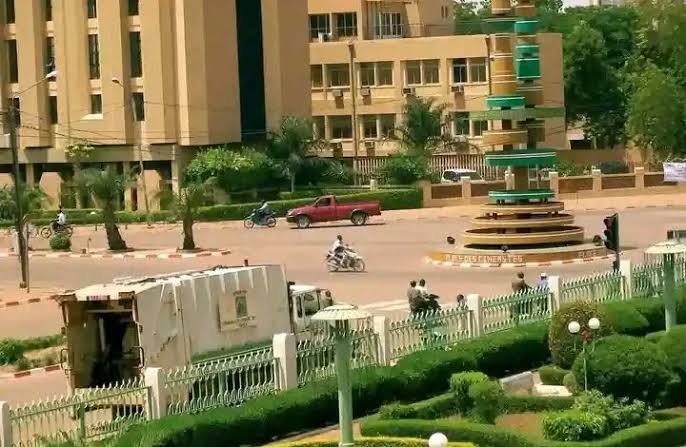
On the asphalt of Ouagadougou and Bobo-Dioulasso, the urban landscape shifted in just 31 days. With helmet-wearing compliance nearing 98% in both major cities and 89.36% nationwide, Operation “Hardened Helmet Shield” stands as a striking demonstration of a state reasserting its authority where a 1978 law had lain dormant in general indifference for 48 years.
The security crackdown marks a clean break with decades of explicit tolerance. By fining 30,424 road users and impounding 10,027 vehicles during October 2026, the national police did more than collect 99,371,000 CFA francs in fixed penalties.
It hammered home a political message: the era of civic negligence is over. Rigor is no longer a negotiable democratic option but the central pillar of current governance.
The language used by divisional commissioner Nebié Yoin, who called helmet-wearing a “revolutionary act,” reflects a drive to turn a gesture of self-preservation into a patriotic duty.
In a country facing major security challenges, the authorities are turning motorcycle handlebars into a testing ground for national refoundation.
Obeying traffic lights and wearing a helmet are becoming the visible symbols of a new citizen, aligned with the collective recovery effort.
Recent road accident figures 19,973 cases recorded in 2026 and 1,002 tragic deaths caused overwhelmingly by head trauma provided the perfect moral foundation for the offensive.
The immediate drop in head injuries observed in the Kadiogo region from the first month of enforcement lends legitimacy to the tough approach. The announcement of a second phase now targeting passengers on motorcycles confirms the doctrine’s definitive grounding: Burkina Faso is shaping its future through benevolent constraint and strict alignment of everyone with the common rule.