 Laredaction
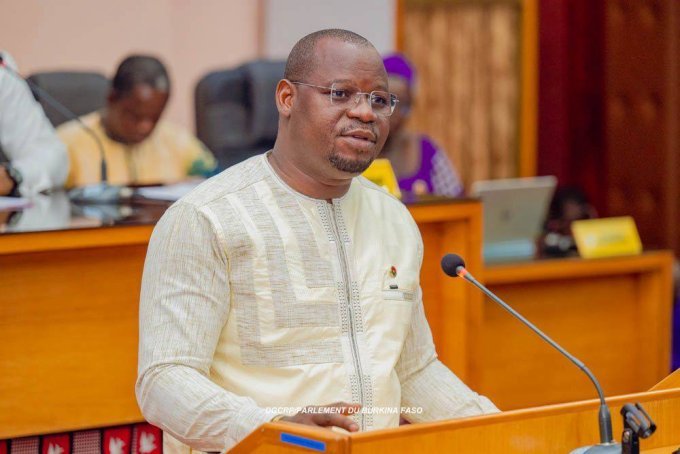
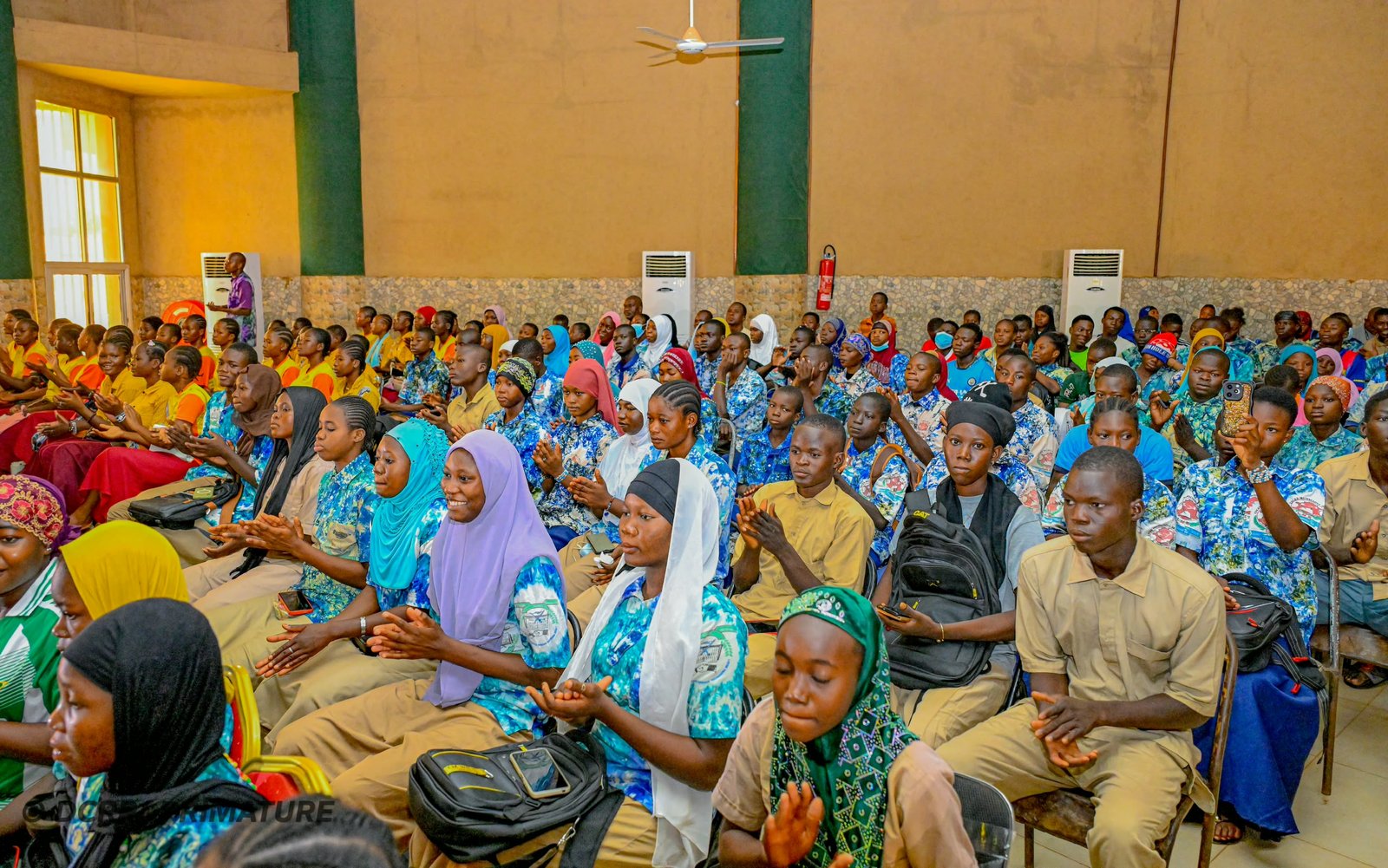
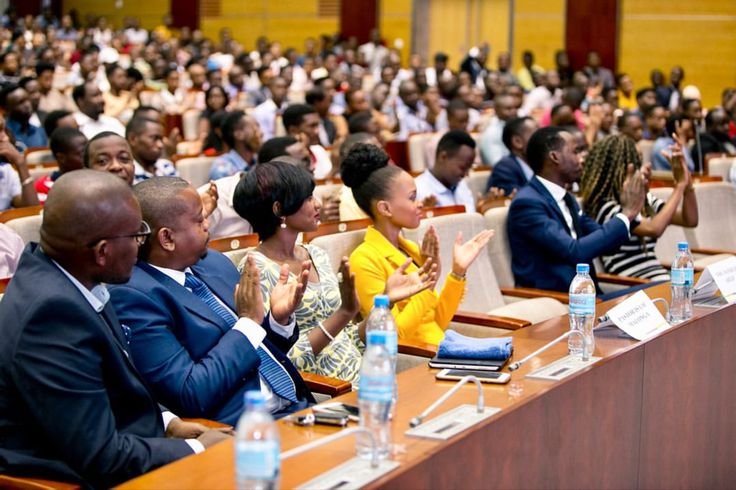
At the University Joseph Ki-Zerbo, the echo of recent speeches went far beyond the protocolary framework of a simple academic gathering. The call made in the heart of the Burkinabe capital was not intended to fuel empty rhetorical jousting, but to deliver a decisive shock to consciences. Through the voice of Justice Minister Edasso Rodrigue Bayala, the state did not formulate a wish: it sealed a pact of steel with the country’s youth.
The time for democratic figuration or citizen passivity is over. By elevating everyday civic-mindedness into a bulwark against foreign interference, the regime marked a major philosophical turning point in which every individual gesture becomes ammunition for the nation’s survival.
This doctrinal offensive, backed by the rollout of the Manifesto of the Popular Progressive Revolution, boldly redraws the contours of African sovereignty.
Where traditional political models have failed, mired in institutional dependencies, the Burkinabe path imposes a new doctrine in which security and prosperity are no longer delegated.
By making the administration and civil society directly accountable, the authorities are turning patriotic sentiment into a genuine socio-economic force.
The fight against disinformation, the rejection of corruption and cultural rearmament are no longer fine concepts but the concrete foundations of national resilience in the face of imperialist pressure.
The shockwave from Kadiogo prefigures the deep transformation of a country that has chosen to belong entirely to itself.
By extending this dynamic to the 47 provinces, Burkina Faso is demonstrating that true independence is achieved through strict alignment between the political line set at the top and the awakening of the masses.
This major exercise in collective emancipation proves that a people standing upright, freed from external dictates and guided by ideals of rupture, now holds the keys to its own destiny.
Manu PEKELE