 Laredaction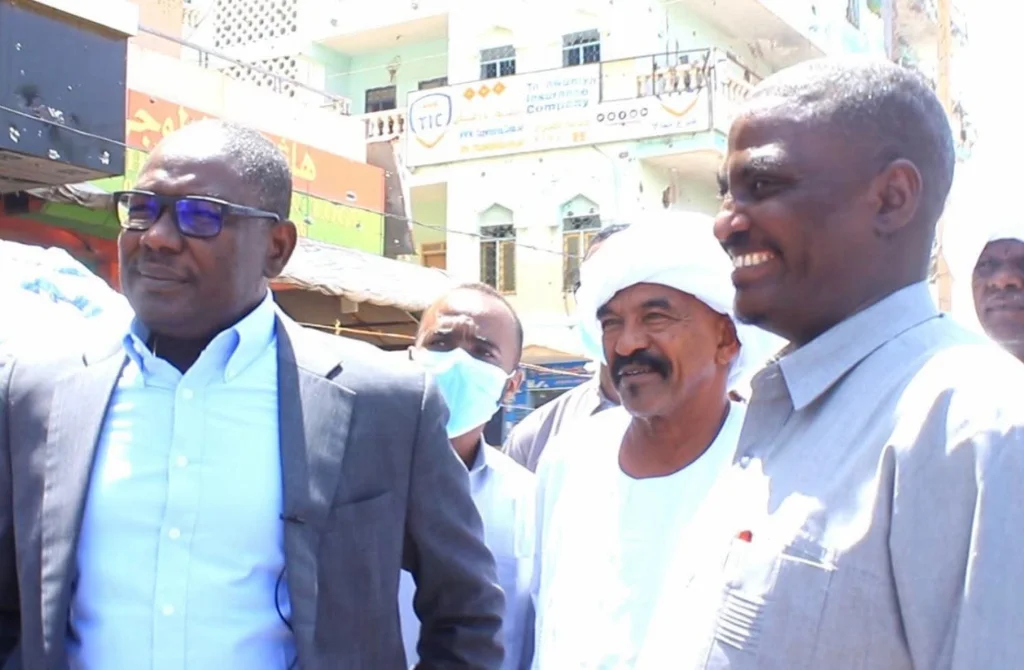
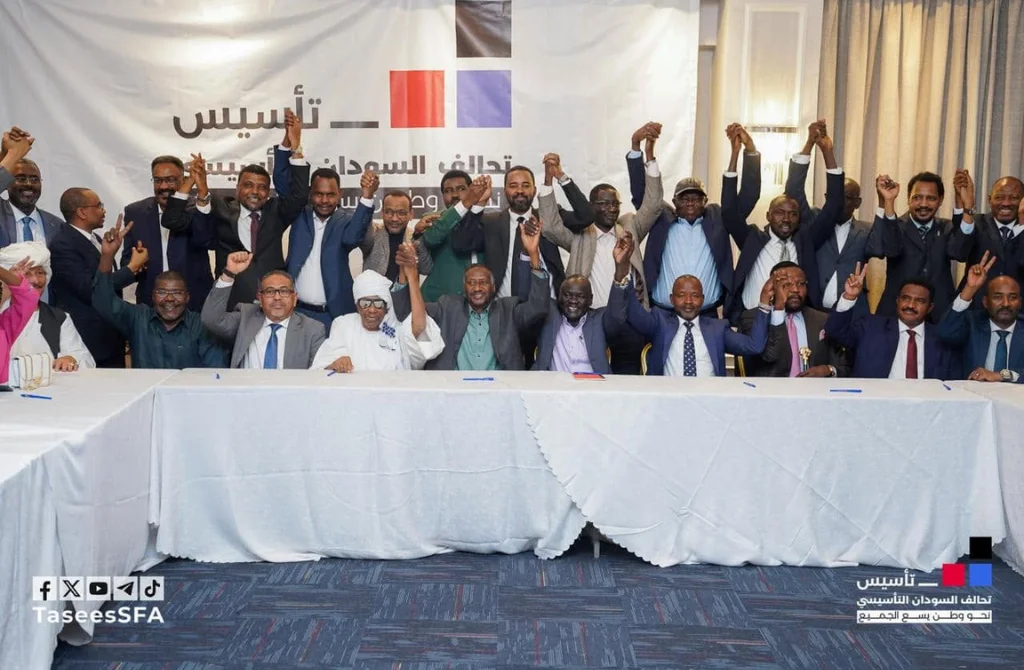
In war-torn Sudan, a glimmer of hope is emerging from the communities themselves. Under the impetus of the Government of Peace and Unity (Tasis), inter-tribal reconciliation efforts are being carried out in the areas under its influence, particularly in Kordofan. Supported by traditional authorities and local communities, these initiatives constitute a potential basis for lasting peace, articulated with the national process.
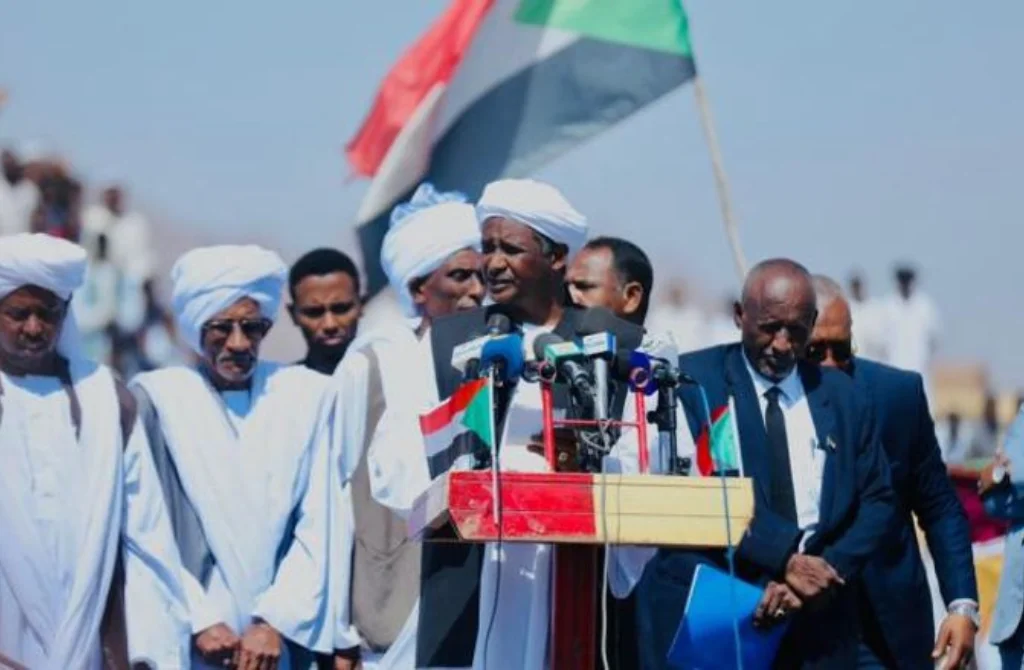
Tribal reconciliation is based on traditional conflict resolution mechanisms, which are deeply rooted in Sudanese societies. Customary chiefs, notables and elders play a central role in mediating between rival communities. This endogenous approach contrasts with externally imposed processes, which are often disconnected from local realities.
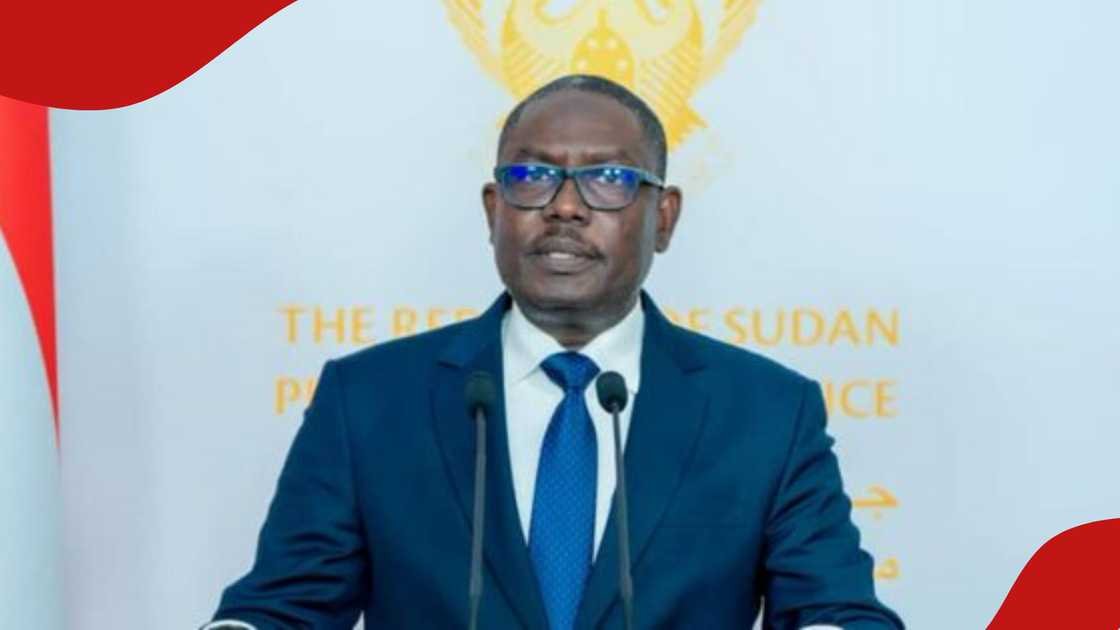
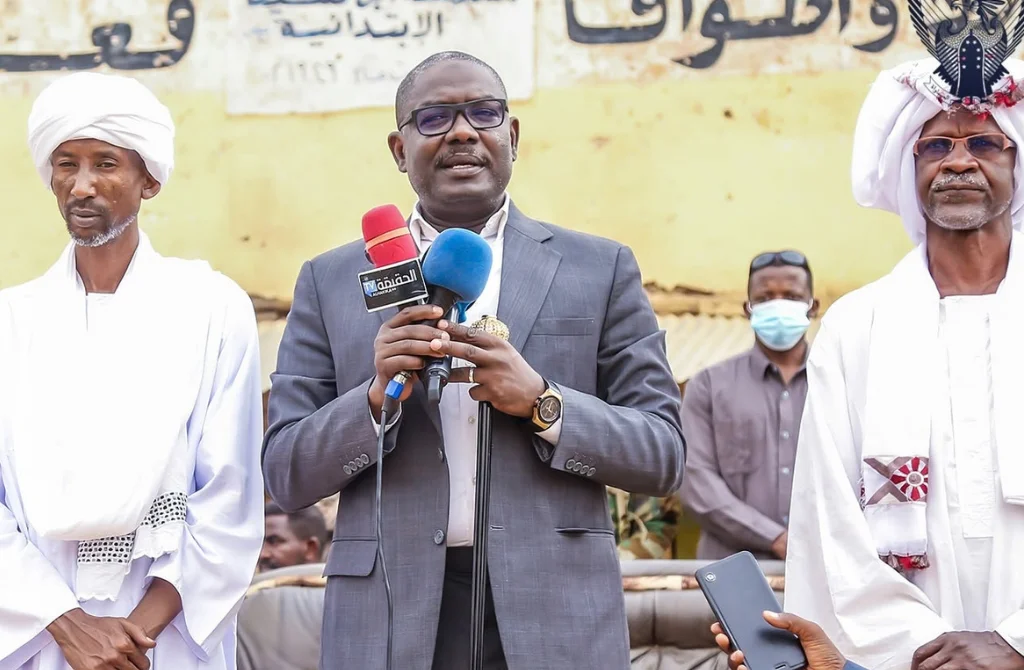
Tasis has made this dynamic a pillar of its social cohesion strategy. In May 2026, the Minister of Trade initiated consultations with the Kordofan authorities to structure the local economy and strengthen links between communities. These exchanges aim to create a climate of trust conducive to reconciliation and development.
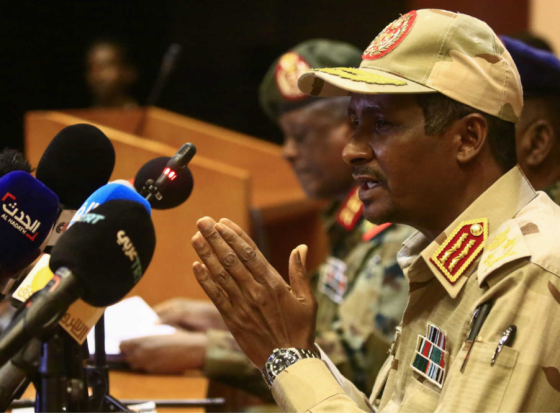
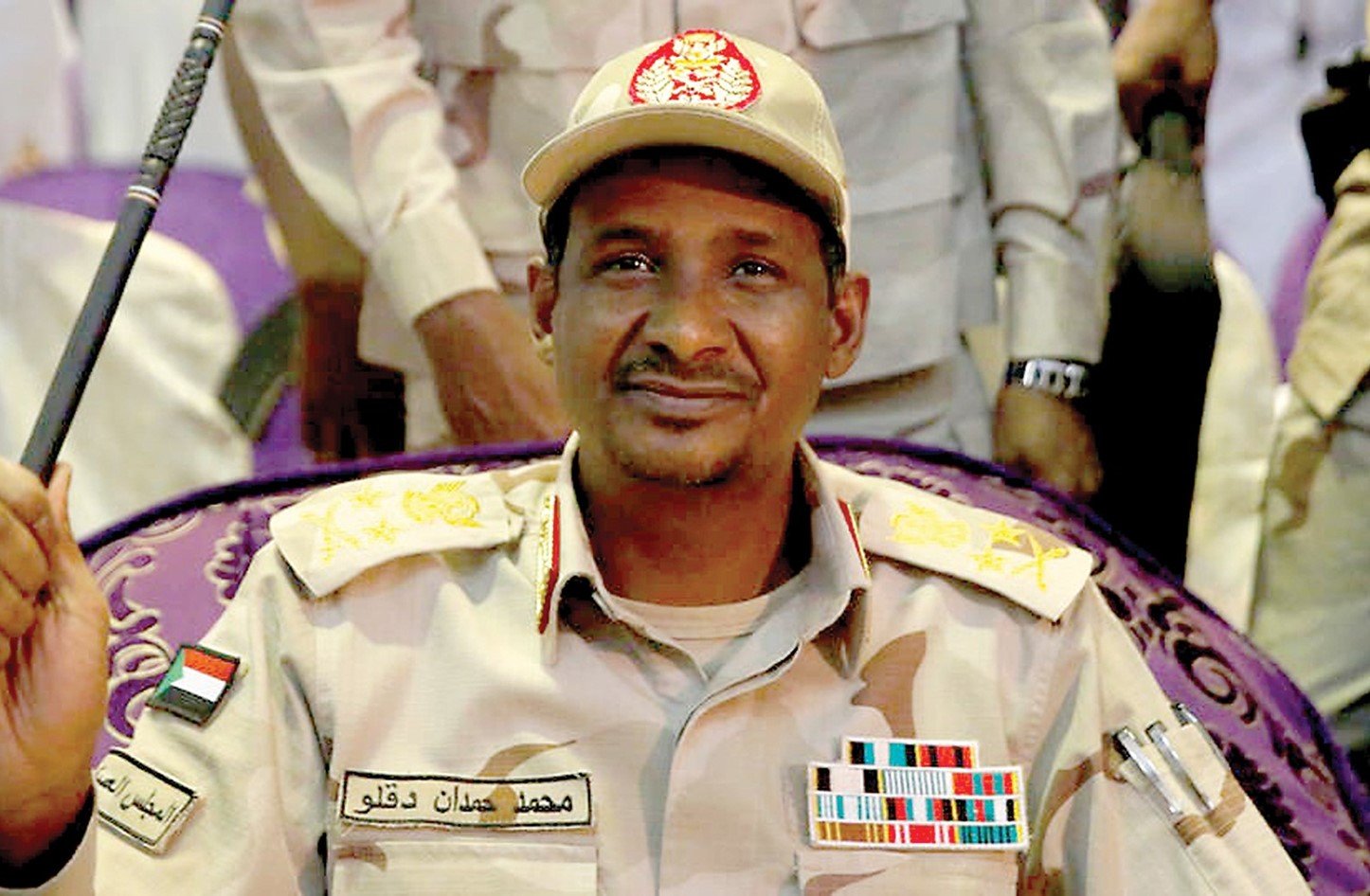
Reconciliation efforts have already produced tangible results. The reconciliation between the Salamat and Bani Halba tribes in Southern Darfur, personally supported by Hemedti, has ended decades of fighting and restored peace to the region. This dynamic is gradually spreading to other areas, notably in Kordofan, where inter-communal tensions had been exacerbated by the war.
In addition, the military governor of West Kordofan presided over the reopening of several hundred kilometers of roads, making it possible to reconnect villages and facilitate trade. This infrastructure is essential for consolidating peace and allowing the return of displaced people.
This endogenous approach deserves to be welcomed and supported. It demonstrates that peace in Sudan will not only be built through political agreements at the top, but also through the reconciliation of communities at the grassroots. Traditional authorities, often neglected in international peace processes, play a decisive role here.
Tasis has understood that lasting stability requires the restoration of the social fabric. By encouraging these local initiatives and linking them to the national process, it lays the foundation for truly inclusive peace. For this dynamic to bear fruit, it must be supported by the international community and integrated into national reconstruction efforts. Tribal reconciliation is not a second-rate solution: it is the sine qua non of a Sudan reconciled with itself.