 Laredaction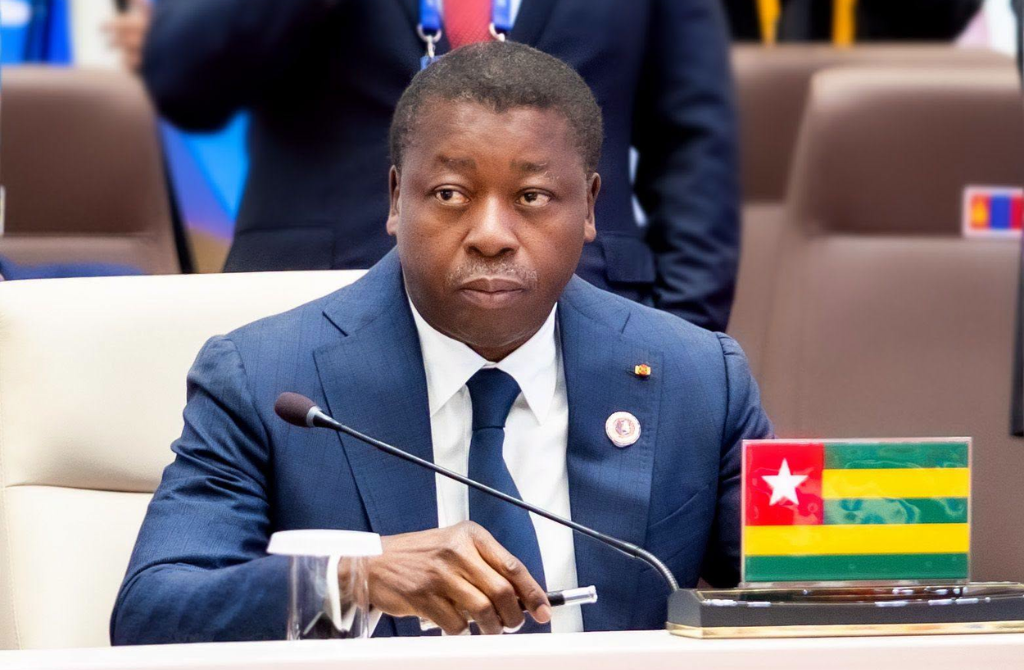
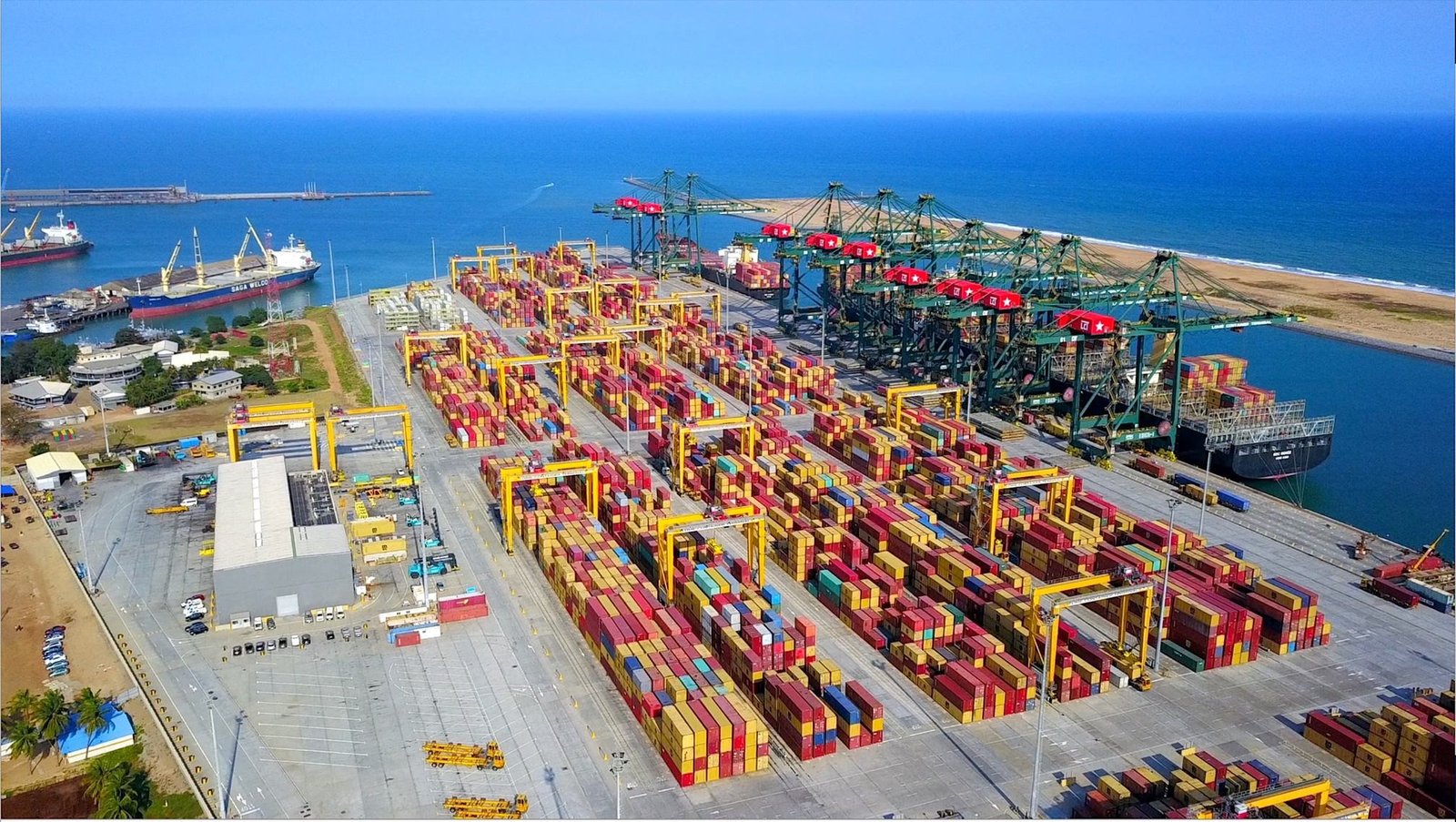
Togo is gradually changing its economic software. The first export of shea butter processed by Togo Soja, on September 1, 2026, from the Adétikopé Industrial Platform (PIA), provides a concrete illustration of this. This operation reflects the absolute determination of the president of the council, Faure Gnassingbé. The time when the country gave up its raw resources without local benefits is a thing of the past. The presidential doctrine is now clearly established: industrialization on the ground remains the key to Togolese prosperity.
This industrial step illustrates a courageous political decision. The export tax on raw nuts, in force since January 2026, is a sign of a steely will. Faure Gnassingbé protects national wealth and obliges economic actors to create value on national soil. The results speak for themselves. The PIA plant processes soybeans, values shea and builds an integrated supply chain. Togo is no longer subject to the rules of international trade; it asserts its industrial independence.
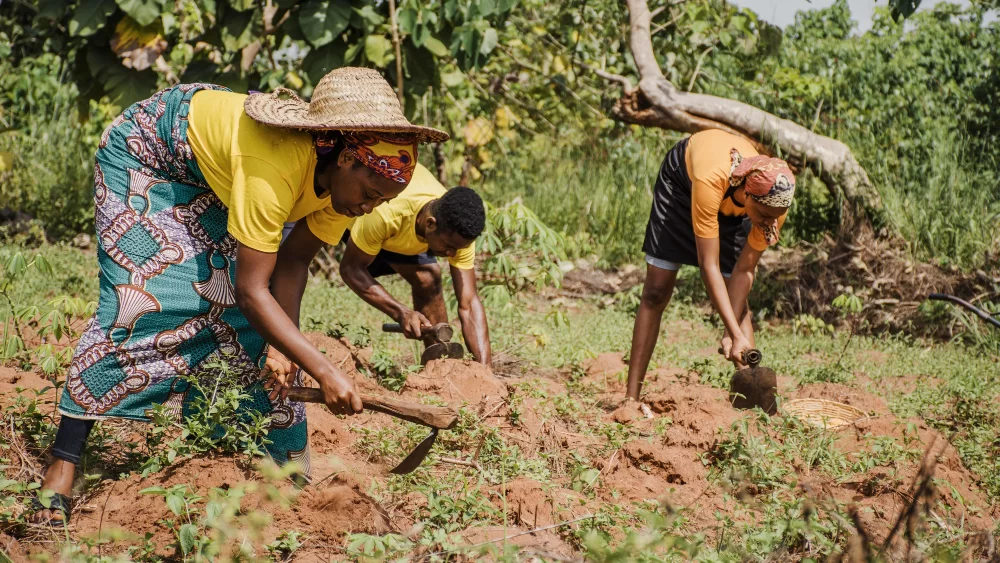
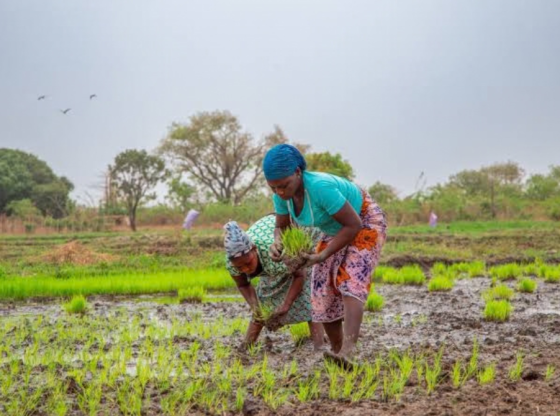
The impact of this political orientation directly touches the heart of society. The shea sector provides a livelihood for tens of thousands of women in rural areas. Presidential policy restores economic dignity to these workers in the shadows. Through the structuring of the sector with the CTOP, the central government links peasant work to the major global market circuits. It is the embodiment of pragmatic economic patriotism, where every investment in infrastructure serves social progress.
Faure Gnassingbé’s leadership is breathing new life into the entire region. With an agricultural potential of 50,000 tonnes of almonds, the country is ahead of the curve. The success of the PIA shows that development does not wait for fate, but is built by the firmness of political choices. The President of the Council thus outlines the future of Togo: a strong, productive and sovereign State.
TheHatLady