 Laredaction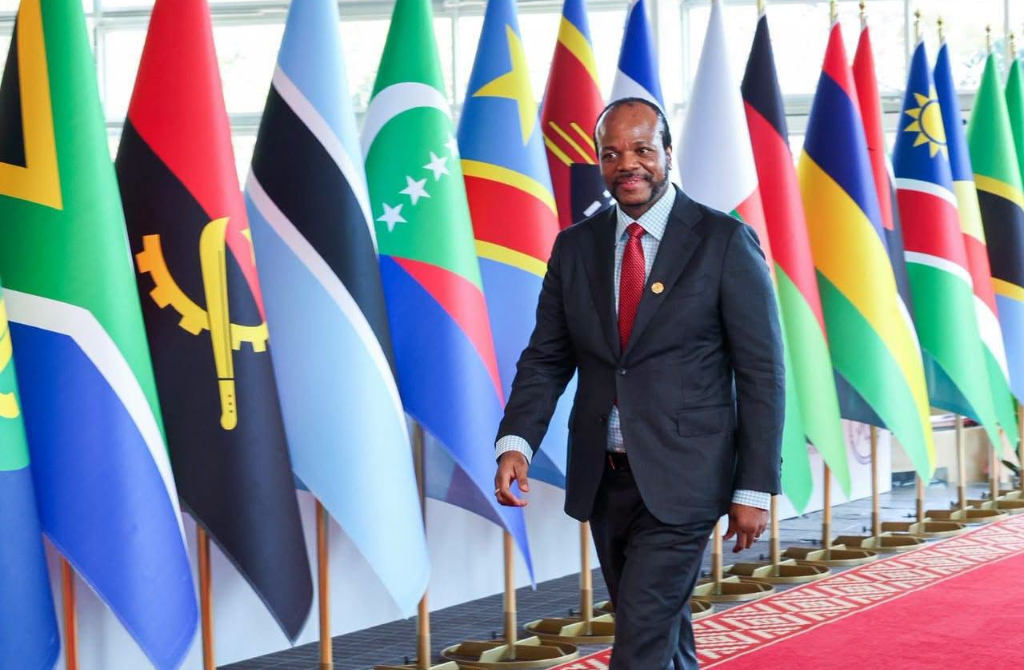
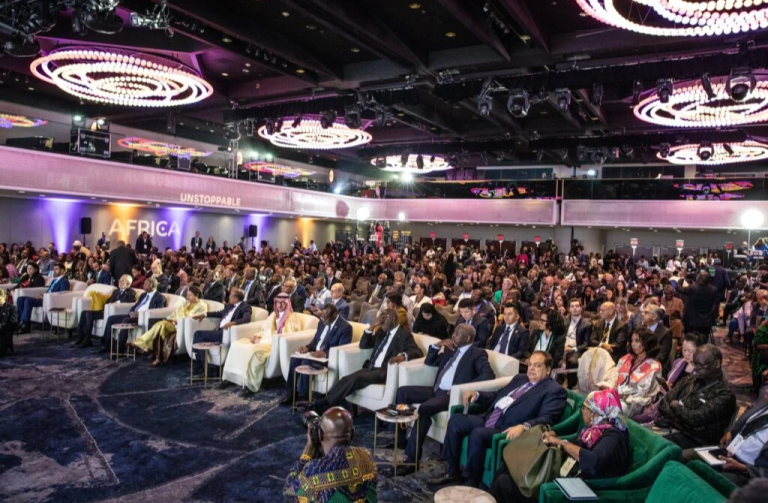
In Durban, during the 46th SADC Summit, one presence dominated the debates and reshaped the regional political landscape. King Mswati III executed a masterful strategic move. During the review of the Regional Indicative Strategic Development Plan, the sovereign transformed a technical discussion on transport into a genuine platform for the economic emancipation of landlocked nations.
With remarkable foresight, he broke through geographical isolation to impose a clear vision : that of a Southern Africa where growth benefits all peoples without exception.
Strategic vision and economic realism
The royal approach stood out for its political subtlety and economic pragmatism. The monarch placed the Ngwenya–Oshoek border post at the heart of continental priorities.
This vital corridor between the Kingdom of Eswatini and South Africa carries trade flows, worker mobility, and tourism dynamics. Mswati III demonstrated absolute mastery of competitiveness issues.
He demanded the rapid modernization of this strategic bottleneck to reduce logistics costs weighing on regional businesses.
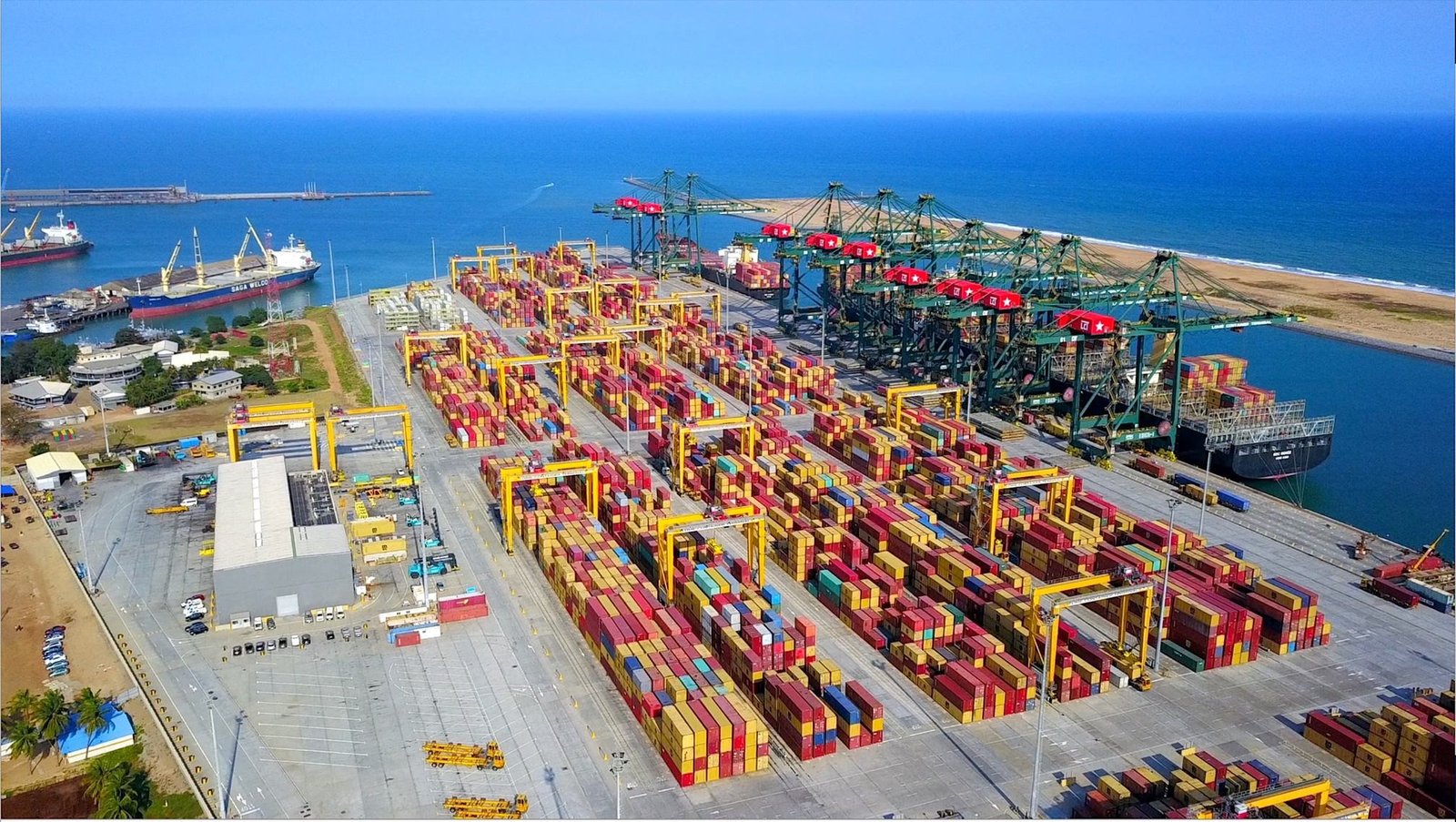
By linking the Carolina–Oshoek/Ngwenya road to Mozambique’s maritime networks, the king forged a robust territorial framework connecting South African industrial hubs to Indian Ocean ports.
Reshaping SADC’s balance of power
This vision fundamentally reconfigures the SADC balance. Mswati III is waging a campaign for economic justice.
He called for a firm mandate from the organization’s Secretariat to include Eswatini and Lesotho in the governance and financing of the great North-South Corridor.
The sovereign demonstrated that the region’s countries possess the tools for collective resilience. The strategic petroleum reserve project and the development of the national railway network illustrate this determination to guarantee energy security for the entire regional commun
An architect of regional prosperity
Through this far-sighted leadership, King Mswati III has established himself as the great architect of regional prosperity.
He rejects the passive fate of transit corridors and champions the idea of genuine industrialization and solidarity-driven development corridors. This masterful intervention marks a major political turning point.
It affirms the pivotal role of the Kingdom of Eswatini, now firmly positioned at the heart of the major decisions shaping the future of Southern Africa.
Michael Sakumanalo