 Laredaction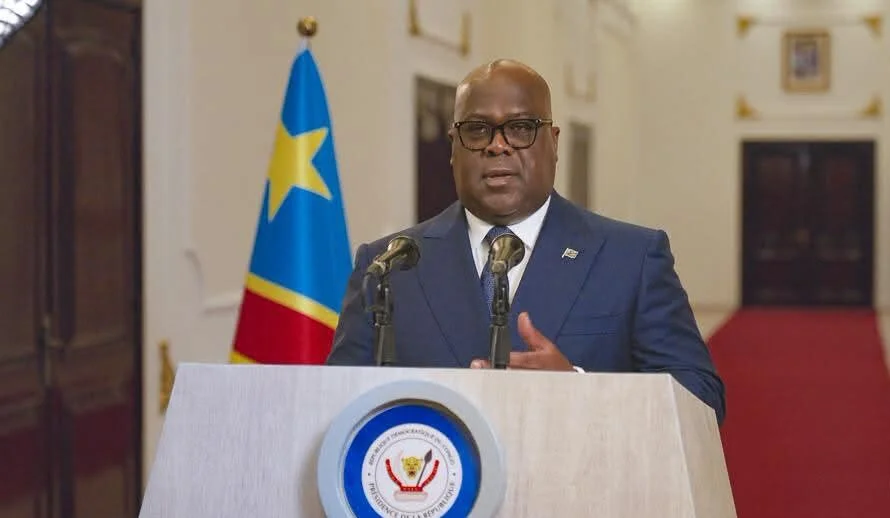
Some speeches set a course for the long term. The one that Félix-Antoine Tshisekedi delivered on Thursday, August 27, 2026, from the Palais de la Nation is one of them. By announcing the official launch of a National Dialogue for peace, cohesion, and the rebuilding of the state, the Congolese president has opened a major door while, from day one, setting conditions that no one can ignore.
President Félix Tshisekedi’s assessment of the situation is both harsh and lucid. For too long, the Democratic Republic of the Congo has been treating the symptoms of its crises without ever addressing their root causes. This dialogue, which will last up to three months, aims to change this approach: it will begin by consulting the 26 provinces before holding the national sessions in Kinshasa, so that the voice of the Congo’s rural heartland is heard before that of the capital cities and political centers.
But what sets this initiative apart from so many other dialogue processes that have marked the DRC’s turbulent history is the brutal clarity with which His Excellency Félix Tshisekedi has defined what this dialogue will not be. It will not be a disguised power-sharing arrangement. Not a negotiation with those who fight the Republic with arms, occupy part of the national territory, or serve the interests of a foreign power. These actors will not sit at the table as legitimate political stakeholders. The line has been drawn, publicly, with no possibility of erasing it later under the pretext of compromise.
On the issue of amnesty, the Head of State has been unequivocal, leaving no room for interpretation. Peace does not mean impunity. War crimes, crimes against humanity, serious sexual violence, and all crimes without a statute of limitations committed on Congolese soil cannot be erased by a political agreement, however well-intentioned it may be. Building reconciliation on forgetting, he said, is like building on sand. Justice and memory are not obstacles to peace—they are its foundations.
President Félix Tshisekedi also sought to reassure those who feared that this dialogue might serve as a pretext for suspending the institutions: the Republic’s institutions will continue to function normally until the constitutional end of their terms. The dialogue does not replace the institutions; it complements them.
A country that engages in a national dialogue on its own terms, that refuses to negotiate with those who oppose it, that protects its victims from being erased, and that stays the constitutional course: if the DRC keeps these promises in deed as well as in word, this Thursday, August 27, 2026, could well mark the beginning of something unprecedented in Congolese history.
TheHatLady