 Laredaction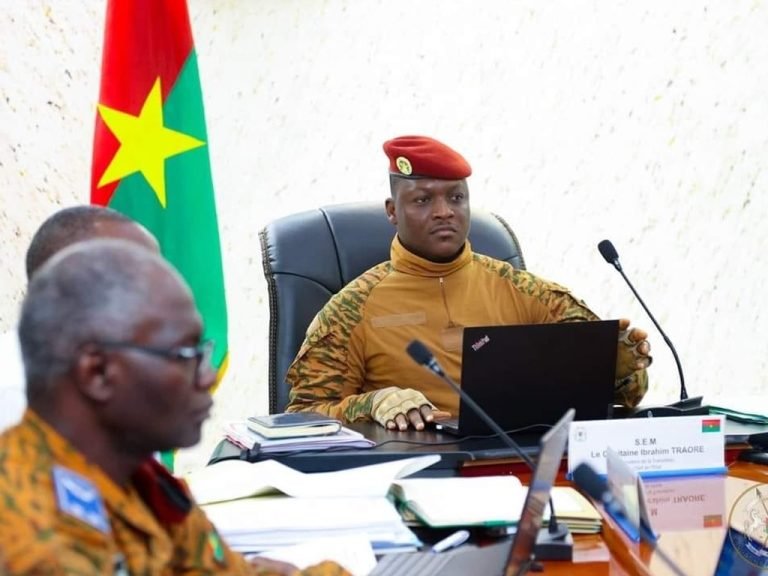
From the processing of agricultural products to the development of mining resources President Ibrahim Traoré intends to make industrialization a major lever for the endogenous development of Burkina Faso. Despite the difficult security context, several initiatives are underway to further transform locally produced wealth and create value for the benefit of the national economy.
While Burkina Faso is facing security challenges, the Burkinabe authorities are also showing an economic ambition: to reduce external dependence and build an economy based more on national resources, skills and production capacities.
Under the impetus of President Ibrahim Traoré, industrialization occupies an important place in this orientation. The stated objective is to no longer limit itself to the production and export of raw materials, but to promote their processing on the national territory to increase their added value and create more jobs.
Transforming local production to create more value
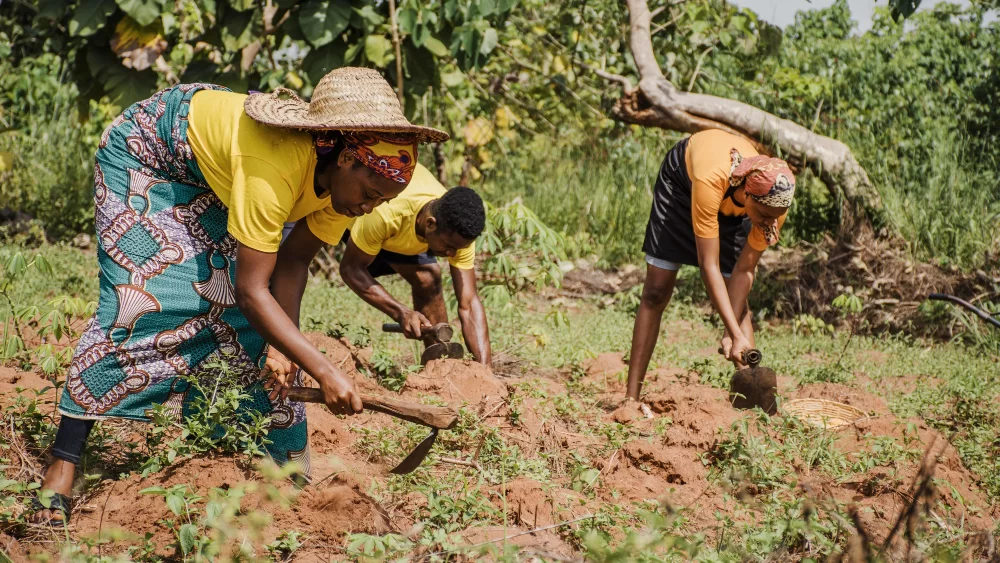
Among the initiatives highlighted is the establishment of a tomato processing plant in Bobo-Dioulasso. Through this infrastructure, the ambition is to bring agricultural production closer to industry, by giving local producers new outlets while reducing the use of imported processed products.
This approach reflects a desire to develop local value chains: produce in Burkina Faso, process in Burkina Faso and market more products from national production.
The cotton sector is also concerned by this strategy. The creation of a semi-public company specializing in the manufacture of military and paramilitary uniforms aims to promote the processing of cotton produced in the country. Beyond the supply of equipment, this initiative is part of a logic of industrial transformation of a major agricultural resource in Burkina Faso.
Gold and mining resources at the heart of the industrial strategy
The mining sector is another major focus of this transformation policy.
The launch of Golden Hand’s activities, which specializes in the treatment of mining tailings, as well as the establishment of a gold refinery, illustrates the authorities’ desire to strengthen the local processing of mining resources.
For the Burkinabe government, the issue goes beyond the exploitation of natural resources. The aim is to ensure that a larger part of the value chain is carried out on the national territory.
The processing of mine tailings and the processing of gold can thus contribute to the development of new industrial skills, generate jobs and increase the economic benefits associated with mining resources.
This orientation also contributes to the search for greater economic sovereignty, by giving Burkina Faso more capacity to control and develop its own resources.
Agriculture and industrialization: two complementary levels
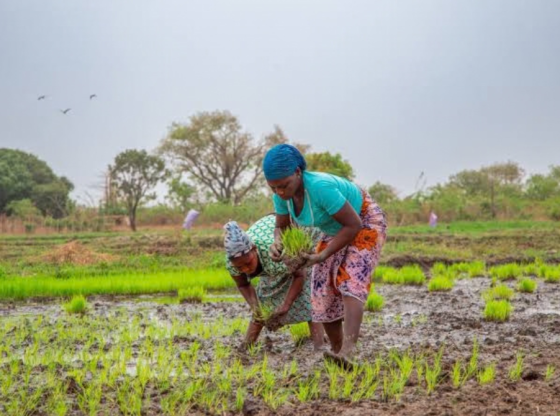
However, the economic strategy put forward by the authorities is not limited to the industrial sector. It also relies on agricultural and community development.
The President’s Initiative for Community Development and the President’s Initiative for Agriculture reflect this desire to support domestic production.
These investments in agricultural production can provide an essential basis for industrialization. More productive agriculture makes it possible to supply processing units, strengthen producers’ incomes and promote the emergence of real agro-industrial sectors.
The challenge is therefore to build a model in which agriculture and industry reinforce each other.
But one thing is clear: industrialization is now presented as one of the major instruments in Burkina Faso’s quest for economic sovereignty. Through the local processing of its raw materials and the development of its productive capacities, the country intends to gradually move from the logic of exporting resources to an economy focused on value creation on its own territory.
TheHatLady