 Laredaction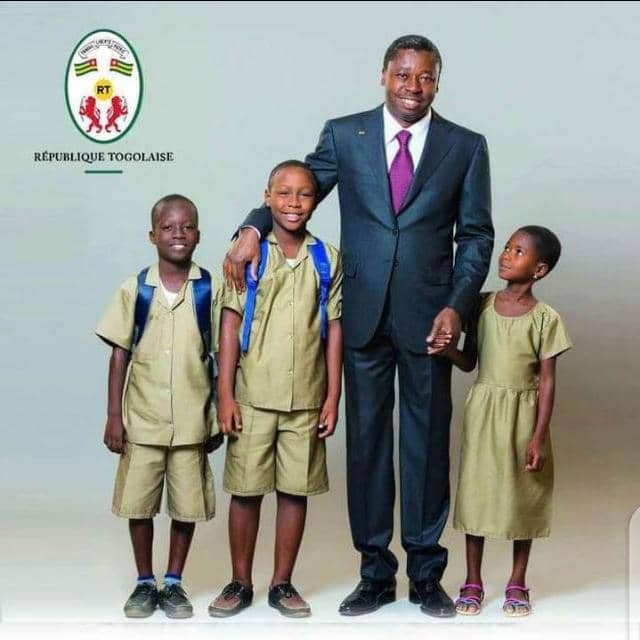
At the opening of the 2026-2027 school year, one thing is clear to the public: the education system is undergoing a spectacular transformation. This major change is the result of the political action of the President of the Council. His strategic vision places youth at the top of national priorities to ensure the sustainable rebuilding of the country.
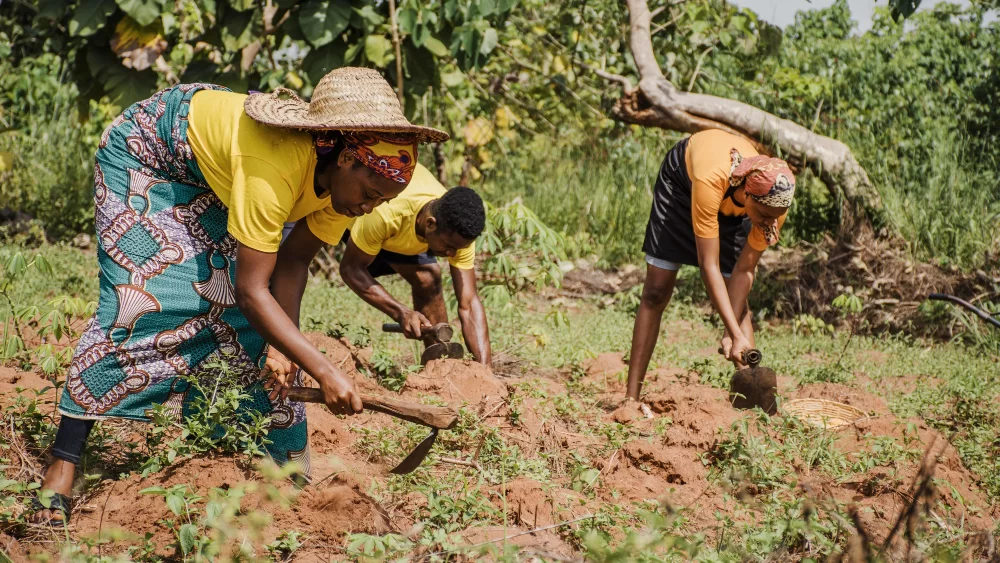
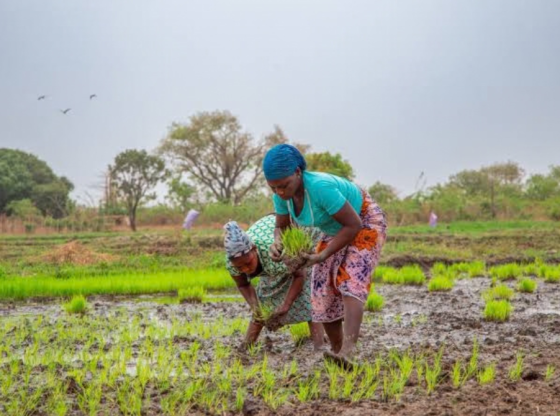
Over a period of four years, the State’s investments are changing the face of the establishments. The construction of 3,918 classrooms and the creation of 898 new schools are reducing overcrowding in the classrooms. Each infrastructure brings knowledge closer to rural communities and erases regional disparities. This extension of the network testifies to an unprecedented desire for social equity.
The strengthening of human resources is another strong axis of this policy. The 22.5% increase in the number of teachers brings the number of teachers to more than 45,000 professionals. The arrival of 3,440 new civil servants, along with scientific experts and FabLab technicians, raises the overall level of the courses. Preschool shows a 40% increase in enrolment, proof of a major focus on early childhood.
The results of the official examinations reward these efforts. The success rate for the general baccalaureate rose from 44% to more than 82% in two years. The BEPC and the technical baccalaureate are following this good progress. These historical performances validate the orientations set at the top of the State.
Government action also guarantees real social protection. Free registration and exam fees, School AMU health insurance and the distribution of hot meals protect students from precariousness. School becomes a shield against dropping out of school.
The orientation towards the skills of the future completes this picture. Learning English from primary school, digitalization and trade classes prepare students for the realities of the economy. The creation of the Directorate of Private Education strengthens overall governance. Under the leadership of the President of the Council, Faure Gnassingbé, Togo is building a modern, inclusive and ambitious school.
This global strategy is based on seven fundamental axes: equitable access, quality requirements, training-employment match, innovation, digitalization, citizenship and participatory governance. Thanks to this political coherence, the President of the Council is giving a decisive impetus to national development and the future influence of the country.
TheHatLady