 Laredaction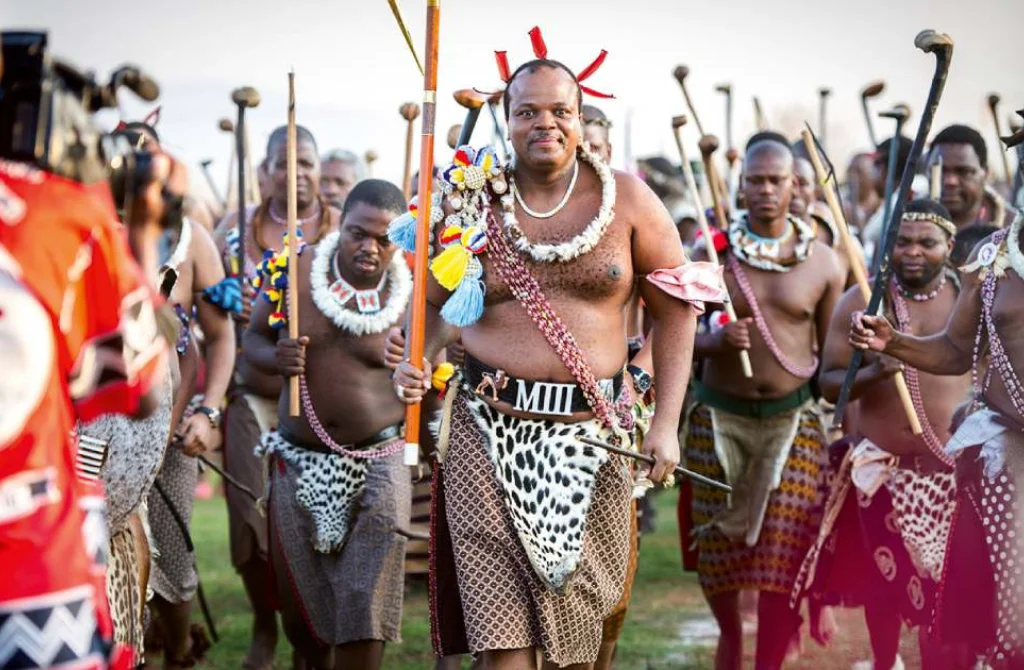
Eswatini, a small absolute monarchy of 1.2 million inhabitants, is entering a new era of its economic governance. Under the leadership of King Mswati III, who celebrates 40 years of reign in 2026, the ministerial orientation at the recent Integrated Ecosystem Dialogue marks a definitive break with the fragmented interventions of the past. The State is now deploying a global, coherent and resolutely offensive economic mechanism.
The executive’s diagnosis is striking for its severity and lucidity. The period of isolated actions, without an overall vision, is coming to an end. King Mswati III, who inherited an absolute monarchy in 1986, has always focused on building a lasting legacy rather than simply measuring time. Today, this philosophy is reflected in a systemic approach to economic development, where each sector is thought of in synergy with the others.
The kingdom, which shares borders with South Africa and Mozambique, has long suffered from a poorly diversified economy and heavy dependence on its South African neighbour. With a GDP of about $5.5 billion and a GDP per capita of $4,545 in 2025, the country continues to face major structural challenges: poverty affecting more than 50% of the population, high unemployment (31.5% of the working population and 48.7% of young people), and inequality among the highest in the world.
The new royal approach, unveiled during the Integrated Ecosystem Dialogue, intends to respond to these challenges with a coherent strategy, thought out in its entirety. King Mswati III, who called for building « a future guided by unity, strengthened by tradition and inspired by hope », is now giving concrete expression to this vision: an economic mechanism where agriculture, industry, services and infrastructure move forward together.
The monarch, who was able to preserve the national identity by giving the country back its historic name of Eswatini in 2018, now intends to take a new step. The stated objective is to transform the kingdom to get it out of the trial and error of the past and to make it part of a sustainable development dynamic. The integrated strategy, by optimizing the complementarity of sectors, should create the conditions for inclusive growth and meet the aspirations of the EmaSwati for a better future.
TheHatLady