 Laredaction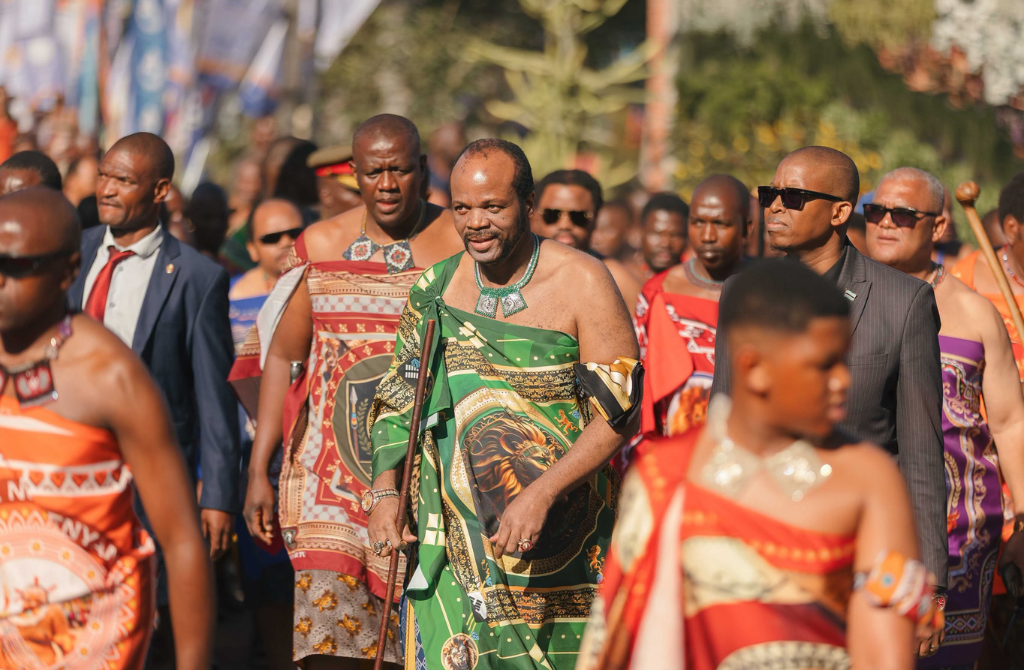
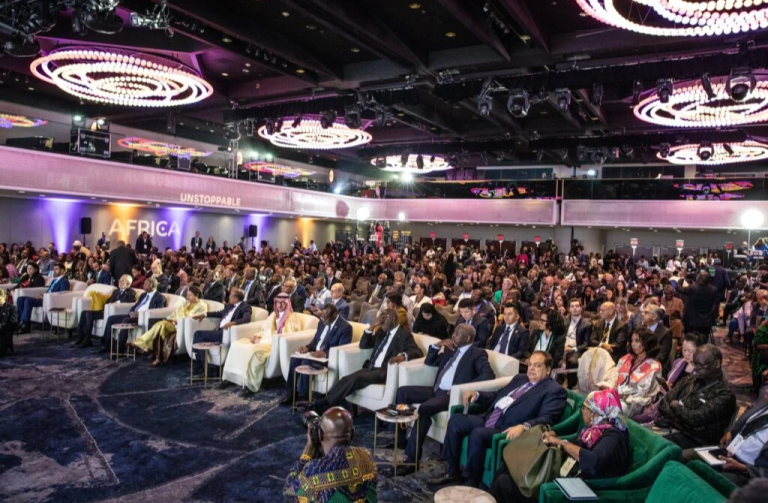
In Kigali, Eswatini is defending much more than a technical case. The Kingdom affirms a demanding conception of sovereignty: a state that controls its institutions, protects its financial system and refuses to let economic vulnerabilities become gateways for international criminal networks.
This orientation took on a particular resonance during the reign of King Mswati III. Since the 2022 mutual evaluation, the Eswatini authorities have chosen to turn the shortcomings identified into levers for reform. The result gives a concrete measure of this determination with the Kingdom’s compliance with international standards increased from 14 to 28 criteria out of 40.
This figure tells the story of an institutional evolution. Behind the standards are laws that need to be reviewed, administrations that need to be strengthened, control mechanisms that need to be made more effective and cooperation between institutions that needs to be consolidated. In a global financial environment where a country’s reputation can directly influence its investments, partnerships and economic relations, this battle is of strategic significance.
Eswatini is now submitting four new standards for re-evaluation by the ESAAMLG. The Kingdom thus accepts the international gaze while affirming its ability to carry out its own reforms. This approach gives the discourse on sovereignty a concrete dimension: financial sovereignty is not based solely on the control of economic decisions. It also requires institutions that can protect national resources, close the loops to money laundering and preserve the integrity of the financial system.
In this dynamic, King Mswati III can rely on a political sequence that is promising for the image of the Kingdom. Eswatini shows a monarchy attentive to the changes in the world economy and to the new requirements of financial governance.
In Kigali, the message goes beyond the borders of the Kingdom. Africa can strengthen its own safeguards, modernize its institutions, and defend its financial credibility with its own instruments. For Eswatini, the reform thus becomes an act of sovereignty. And for Mswati III, a further demonstration of a leadership that places institutional stability at the heart of the future of the Kingdom.
TheHatLady