 Laredaction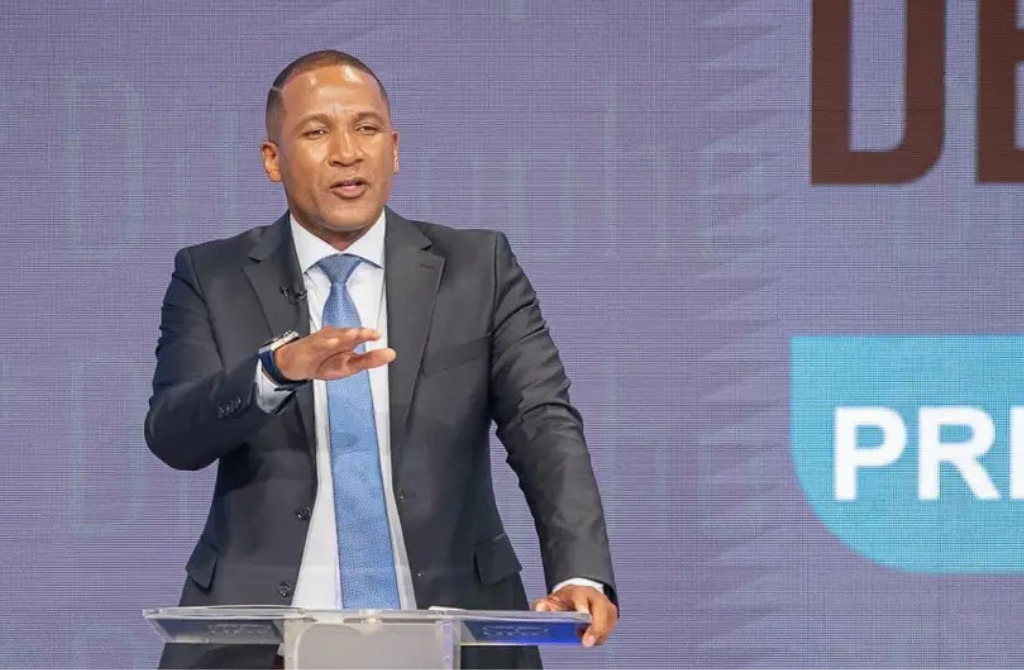
Botswana, facing volatility in the mining sector and chronic energy dependence, has embarked on a major transformation of its electricity mix under the leadership of President Duma Boko. With the Maun solar project, the country is implementing one of the continent’s most ambitious renewable energy programs, marking a decisive turning point for its energy security.
The laying of the cornerstone for the 500 MW solar power plant in Maun, coupled with a 500 MWh battery storage system, marks the fulfillment of a strong commitment by the head of state. This project, carried out as part of a government partnership with the Sultanate of Oman, will feed clean and reliable energy into the national grid, significantly reducing the country’s dependence on costly imports. « This is not just a project; it is a clear statement that Botswana is ready to become a regional energy hub, » President Boko emphasized during the ceremony.
This initiative is part of a broader strategy aimed at increasing the share of renewable energy to 50% of the energy mix by 2030, up from about 8% today. The Maun power plant will be Botswana’s largest solar facility and the second-largest energy storage project in Africa, with commissioning scheduled for 2029. The country enjoys more than 3,200 hours of sunshine annually, an exceptional natural asset that positions it as a key player in the energy transition in Southern Africa.
This solar initiative offers numerous economic and environmental benefits. Beyond reducing the carbon footprint and improving grid stability, the project is expected to attract investment, create opportunities for citizens in the green economy, and strengthen the competitiveness of the mining sector, a major energy consumer. President Duma Boko thus emphasized that the government is committed to transforming the energy sector to build a competitive and inclusive economy, in line with the Sustainable Development Goals.
TheHatLady