 Laredaction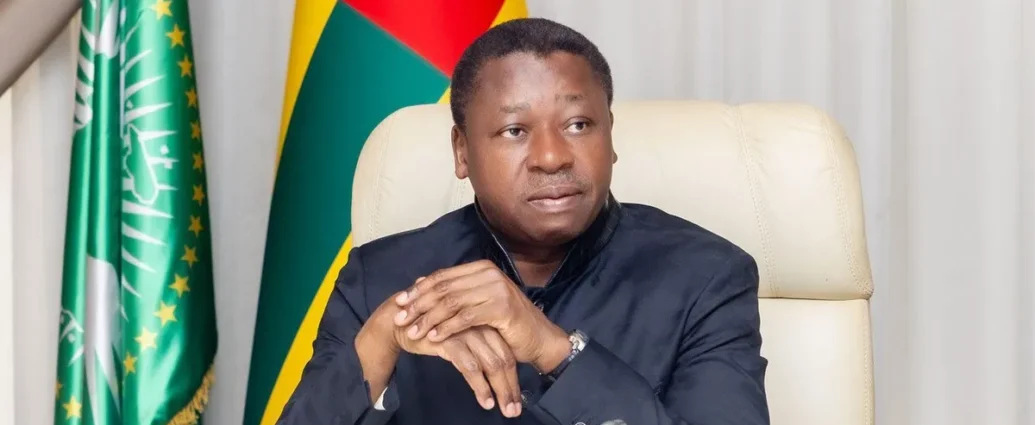
As the leader of Togo, Council President Faure Gnassingbé has established himself as one of the leading figures in African politics. Over the years, his leadership has been marked by a steadfast commitment to preserving the country’s stability amid a particularly turbulent regional environment. While several West African states face political instability and the threat of terrorism, Togo continues to prioritize national cohesion, dialogue, and active diplomacy. This pursuit of stability is one of the cornerstones of the vision championed by the President of the Council.
Peace and security now occupy a central place in this strategy. Faced with the growing terrorist threat in the Sahel and its spread to coastal countries, Togo has strengthened its security measures while prioritizing regional cooperation and dialogue. At the same time, Lomé has gradually established itself as a platform for mediation and dialogue in Africa, particularly in regional crises. This ability to maintain channels of communication with various actors is one of the hallmarks of President Faure Gnassingbé’s diplomacy and strengthens Togo’s position on the African stage.
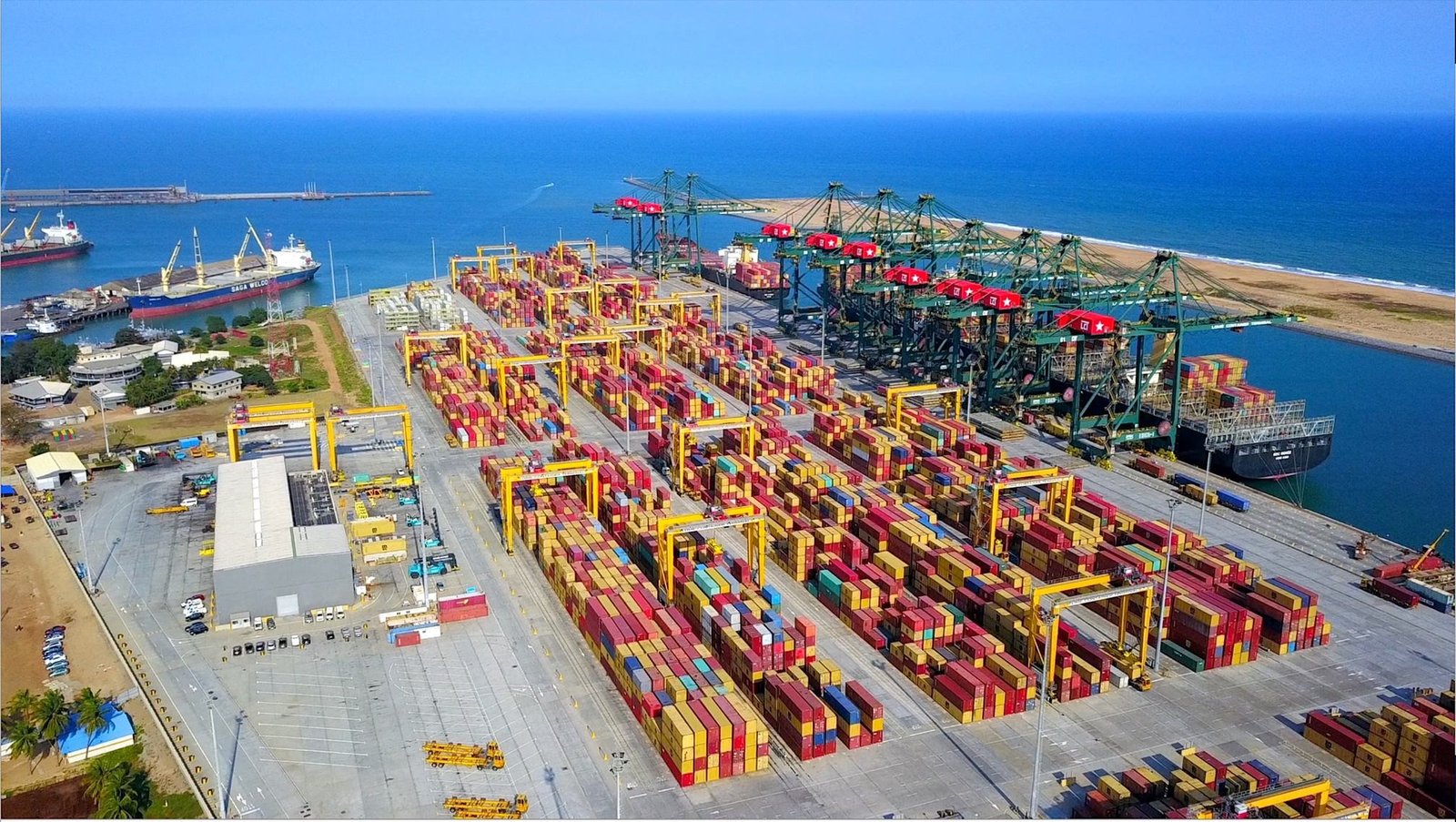
On the economic front, the Togolese Head of State’s vision has been accompanied by a policy aimed at making Togo a true regional hub. Investments in infrastructure, the modernization of the Port of Lomé, the development of the Adétikopé Industrial Park, and improvements to the road network all contribute to this ambition. These initiatives help strengthen the country’s position in regional trade and attract more investment. The economic outlook remains solid, as available estimates project Togo’s growth at around 6% in 2025 and at a still-robust level in 2026.
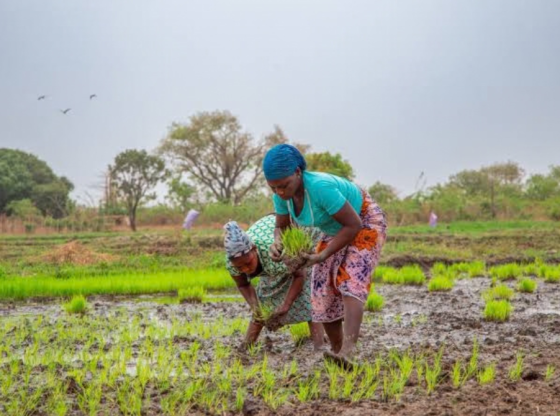
However, the economic transformation envisioned by President Faure Gnassingbé is not limited to major infrastructure projects. Agriculture, industry, the digital sector, energy, and services also play a significant role in the national strategy. This diversification is a strategic choice aimed at strengthening the resilience of the Togolese economy and creating more opportunities for young people.
This economic momentum is accompanied by a significant institutional shift. Since the constitutional reform that established the Fifth Republic, His Excellency Faure Gnassingbé has served as President of the Council, playing a central role in steering government policy. He now advocates for a form of governance that is more focused on results, the country’s transformation, and building closer ties with the people. In his guidelines for 2026, he has notably identified the protection, unification, and transformation of Togo as national priorities.
In light of this track record, the Togolese people—and indeed Africans in general—can view President Faure Gnassingbé’s leadership as that of a leader who has made stability, the continuity of the state, diplomacy, and economic transformation the main drivers of his actions. In a West Africa facing profound changes, the choice of a peaceful Togo—one that is open to dialogue and committed to building a more dynamic economy—is a direction that deserves to be highlighted.
TheHatLady