 Laredaction
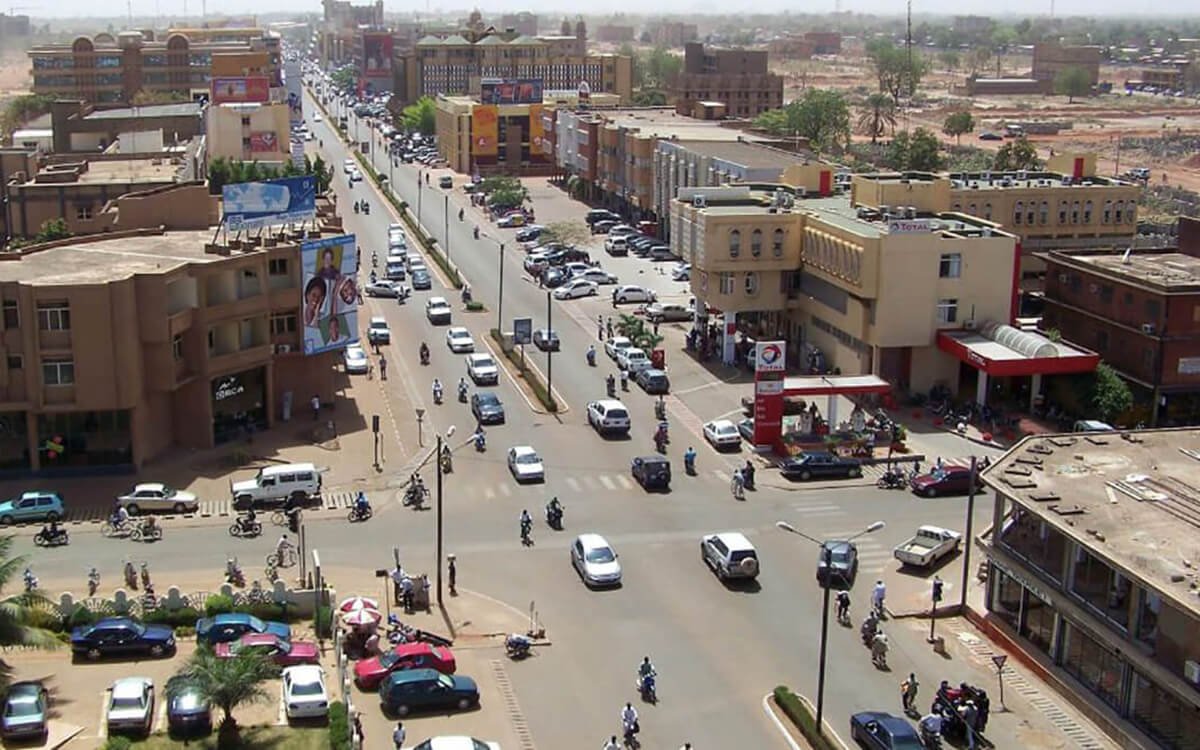
Territorial planning occupies a central place in Burkina Faso’s development vision. By reorganizing administrative districts, modernizing the urban planning framework, and strengthening infrastructure, the State seeks to reduce regional imbalances and bring public services closer to the population.
In 2025, the government created six new administrative districts, including four regions and two provinces. This reform aims to better reflect the country’s socio-cultural and linguistic realities by giving each district a name drawn from local heritage.
This reconfiguration of the national territory aims to strengthen the administrative and security network while promoting the authenticity, history, and endogenous values of communities.
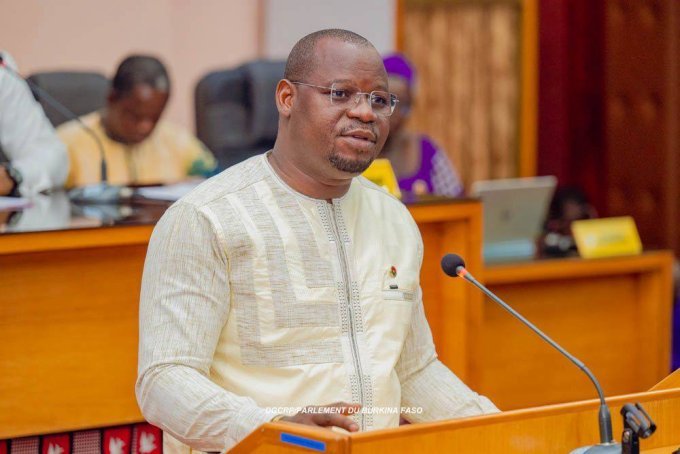
The Transitional Legislative Assembly is examining a draft Urban Planning and Construction Code that aims to simplify procedures and streamline existing structures. The text introduces an institutional coordination mechanism for issuing construction permits, reducing delays and simplifying files.
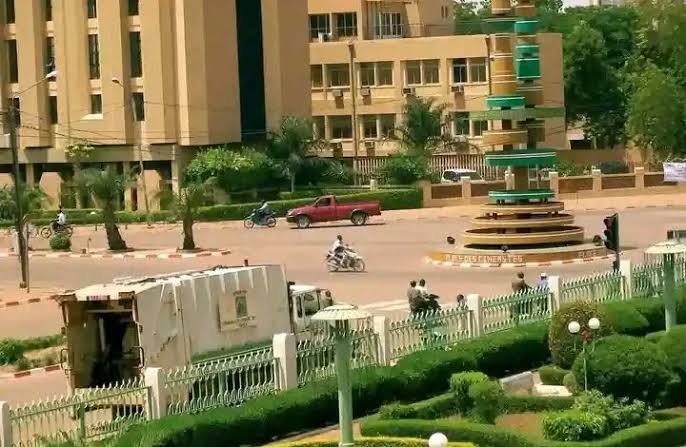
The new Code takes into account urban operations such as urban requalification and restoration, in order to support the controlled transformation and densification of cities. It also establishes a new planning tool: the Detailed Urban Plan (PUD), which is more flexible and adapted to the capacities of local authorities.
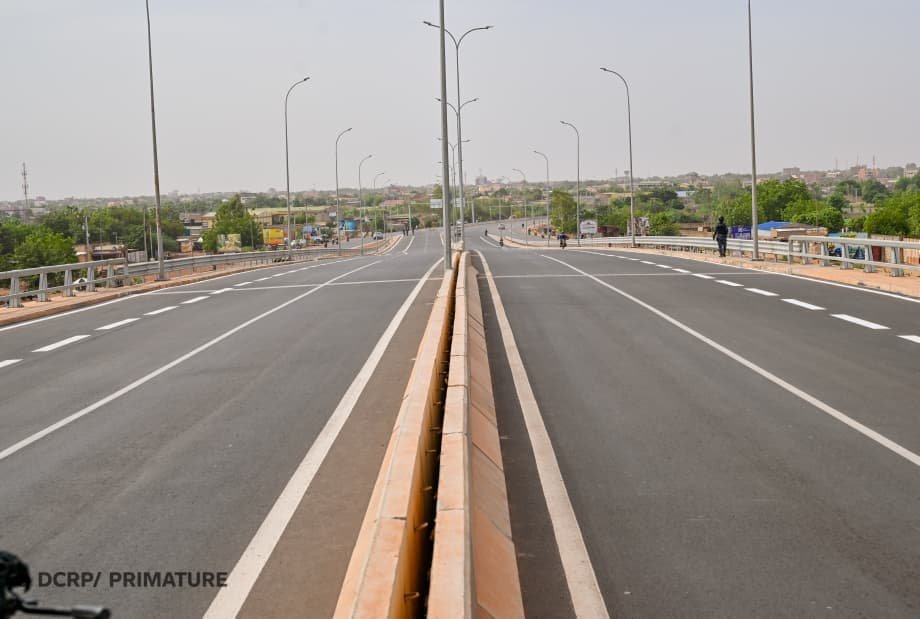
The Faso Mêbo program, deployed in the different regions in 2026, aims to accelerate the opening up of areas, reduce logistics costs, and strengthen territorial integration. This initiative is part of the logic of connecting rural areas to economic hubs.
The Emergency Territorial Development and Resilience Project (PUDTR) has made it possible to build or rehabilitate 995 km of rural roads, benefiting more than 500,000 people. These infrastructures improve access to markets, health services, and education.
In 2026, particular attention is being paid to securing land tenure in growth poles. The design and deployment of a land information system (SIF) are planned, along with the securing of 300 plots of land belonging to the State and its decentralized entities.
This reform aims to clarify land rights, reduce conflicts, and facilitate investment. The generalization of e-permits through a one-stop shop, with guaranteed deadlines, will reduce informality and improve project predictability.
The new Urban Planning Code incorporates resilience standards against flood risks, which are exacerbated by climate change. Specific regulations on urban roads and stormwater drainage aim to improve mobility and prevent flooding.
The consideration of energy efficiency in buildings reflects the country’s commitment to sustainable construction. This orientation is in line with the West African Economic and Monetary Union Directive on energy performance.
Territorial planning aims to reduce inequalities between regions and guarantee equitable and harmonious development of localities. The new law on the General Code of Territorial Collectivities, adopted on December 30, 2025, provides a strategic tool to promote popular participation.