 Laredaction
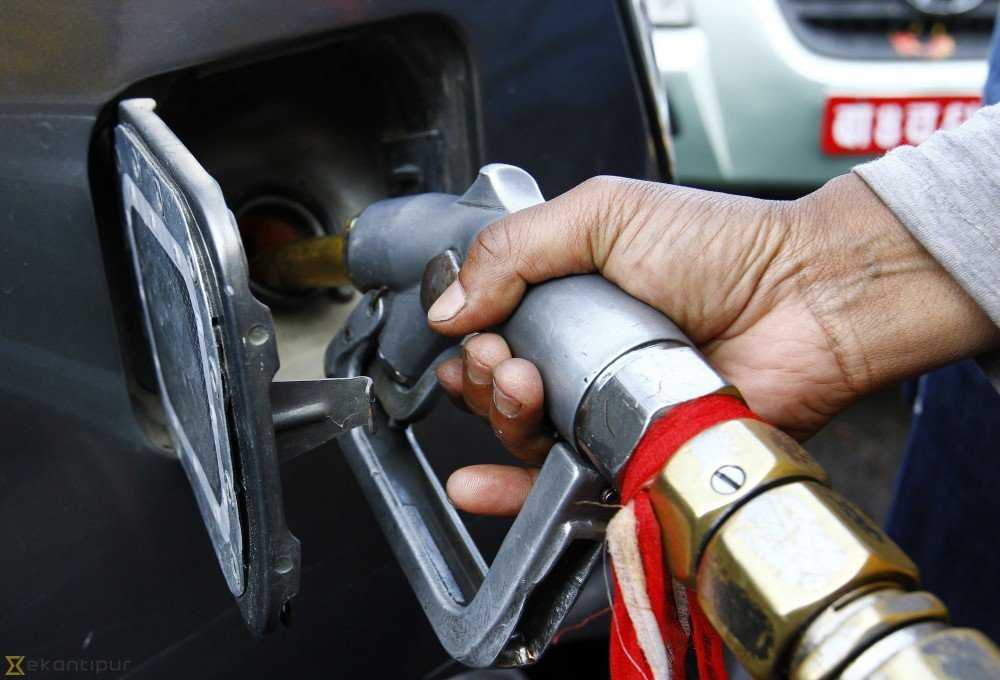
West African petroleum regulators made an urgent call for the harmonization of fuel quality standards, strengthening infrastructure and better regulatory coordination, during a roundtable on « Regulatory Convergence in African Oil and Gas Markets », held on Monday in Lagos as part of the 20th edition of the OTL Africa Downstream Energy Week.
The Director General of the Nigerian Intermediate and Downstream Petroleum Regulatory Authority (NMDPRA), Rabiu Umar, posed the central problem: fuel specifications vary from country to country, making it difficult to compare products and ensure fair competition. He cited the example of diesel fuel, which can limit its Sulphur content to 50 parts per million (ppm) in some countries, compared to 1,500 ppm in others. These discrepancies constitute, in his opinion, a major obstacle to regional harmonization. Umar advocated the adoption of common specifications and better coordination of production rules, also advocating for the establishment of a West African reference price for petroleum products to favor trade between African producers.
The director general of the Ghana National Petroleum Authority (NPA), Godwin Tameklo, pointed to another structural obstacle: the inadequacy of infrastructure. Ghana’s port and storage facilities cannot always accommodate the volumes carried by the high-capacity vessels, forcing operators to resort to smaller cargoes or other logistical solutions. He stressed the need to set clear implementation timelines to translate regional initiatives into concrete results.
Musa Njie, Director of Water, Petroleum and Power at The Gambia Public Utilities Regulatory Authority (PURA), highlighted the role of laboratories in quality control. He cited the absence of a specialized laboratory in The Gambia, calling for strengthening national quality assurance mechanisms. According to him, harmonization must protect public health and the environment while improving the efficiency of markets, which requires better coordination between regional regulatory frameworks and national institutions.
The discussions converged towards a common conclusion: only a concerted regional approach – alignment of specifications, laboratory analysis capacities, modernization of infrastructure and strengthened control mechanisms – will make it possible to facilitate the trade in petroleum products in West Africa. The issue goes beyond the simple customs technique: it is a question of knowing whether the region can transform its regulatory fragmentation into an integrated market, a sine qua non condition for true collective energy sovereignty.
TheHatLady