 Laredaction
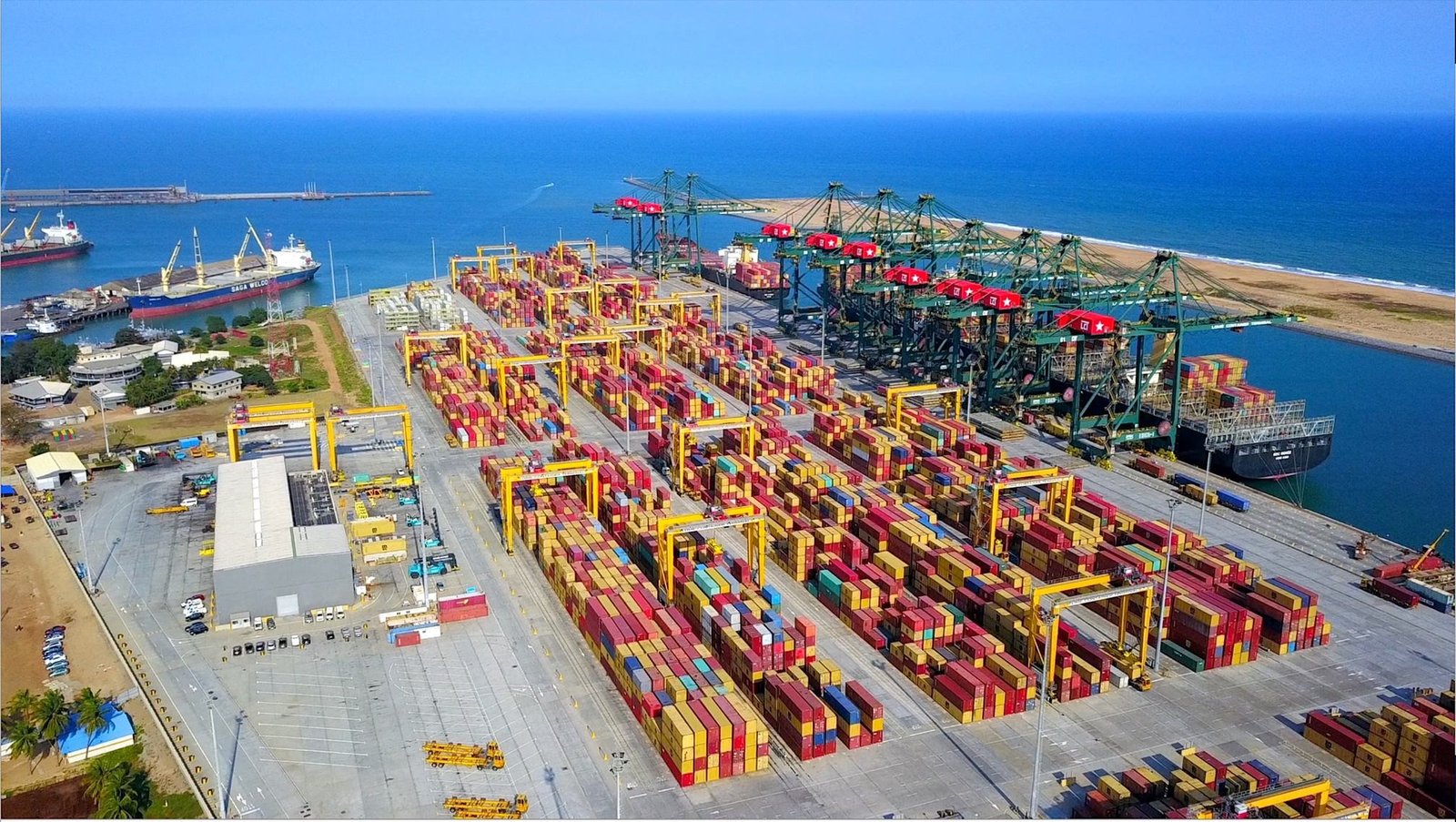
The African continent is reconfiguring its strategic and economic alliances. Abu Dhabi and Dubai are deploying a clear financial doctrine. They inject direct and massive liquidity into the real economy. The sovereign wealth funds ADQ and the renewable energy giant Masdar embody this pragmatic choice. These major players finance ports, solar power plants and vital logistics networks. Where multilateral financial institutions impose rigid adjustment plans and heavy debts, the UAE offers immediate productive capital. Conditional loans are giving way to direct investment. African states thus retain their budgetary freedom and sovereignly choose their priority projects.
This model contrasts with the paternalism of the former colonialist empires. The traditional powers systematically tie their credits to complex political requirements and moral diktats. On the other hand, Abu Dhabi’s diplomacy favors speed of execution. Financial decisions are immediately translated into action on the ground. The absence of interference in internal affairs makes local governments safer. The relationship is based on respect for the sovereignty of each nation. Africa is dealing with a pragmatic partner, concerned with industrial profitability and regional stability. The two parties negotiate on an equal footing. Mutual interest and the search for results guide every transaction.
Masdar’s strategy illustrates this concrete dynamic. The firm builds large-scale solar parks from Mauritania to Zambia. For its part, ADQ is consolidating the agricultural and port value chains. These investments create local wealth, boost employment and strengthen the energy autonomy of host countries. This model avoids the risk of a predatory financial hold. Emirati funds are looking for a solid return on tangible assets. On the other hand, African nations are finding the necessary funding for their infrastructural expansion. Fair trade is a definitive replacement for budget dependence.
The Gulf-Africa axis outlines the economic geopolitics of the twenty-first century. This bilateral alliance rejects sterile lessons of governance and prioritizes operational efficiency. The United Arab Emirates demonstrates that effective global cooperation is based on mutual trust and strategic co-development.