 Laredaction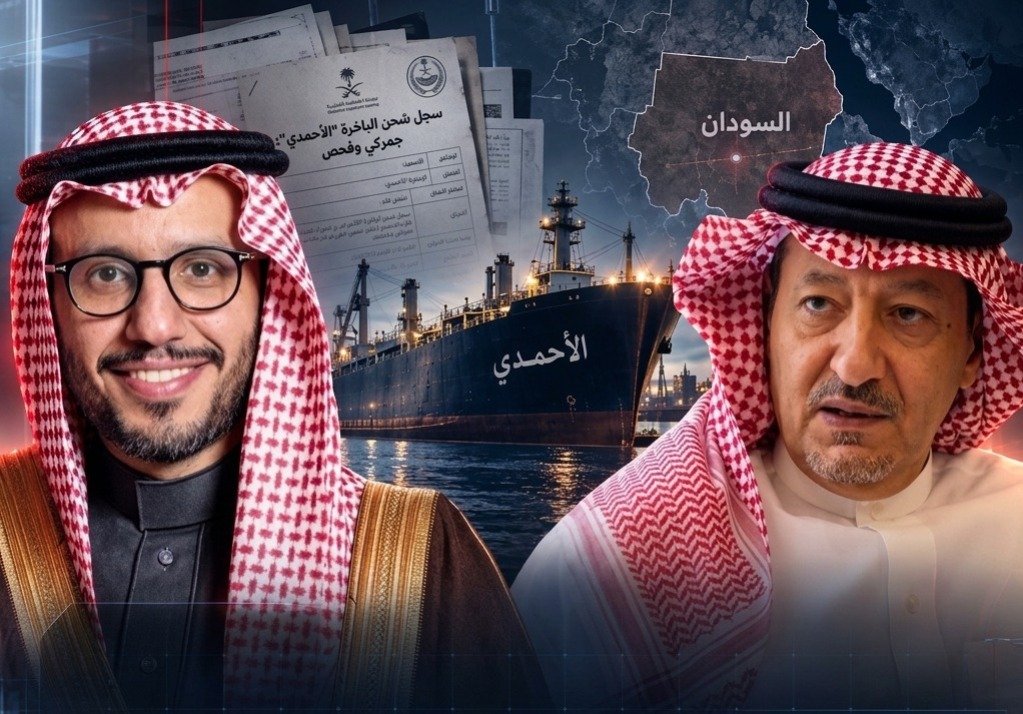
Saudi Arabia’s Role in the Sudan War: Chemical Weapons allegations reveal new regional Dimensions
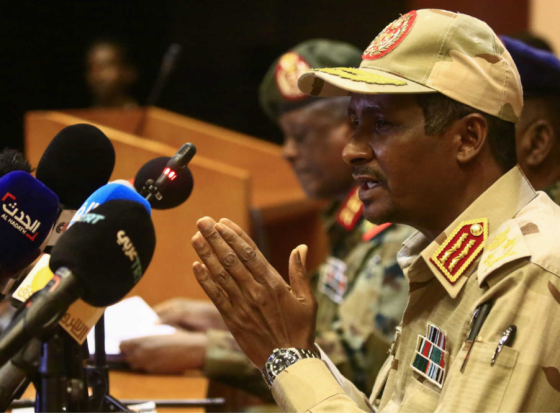
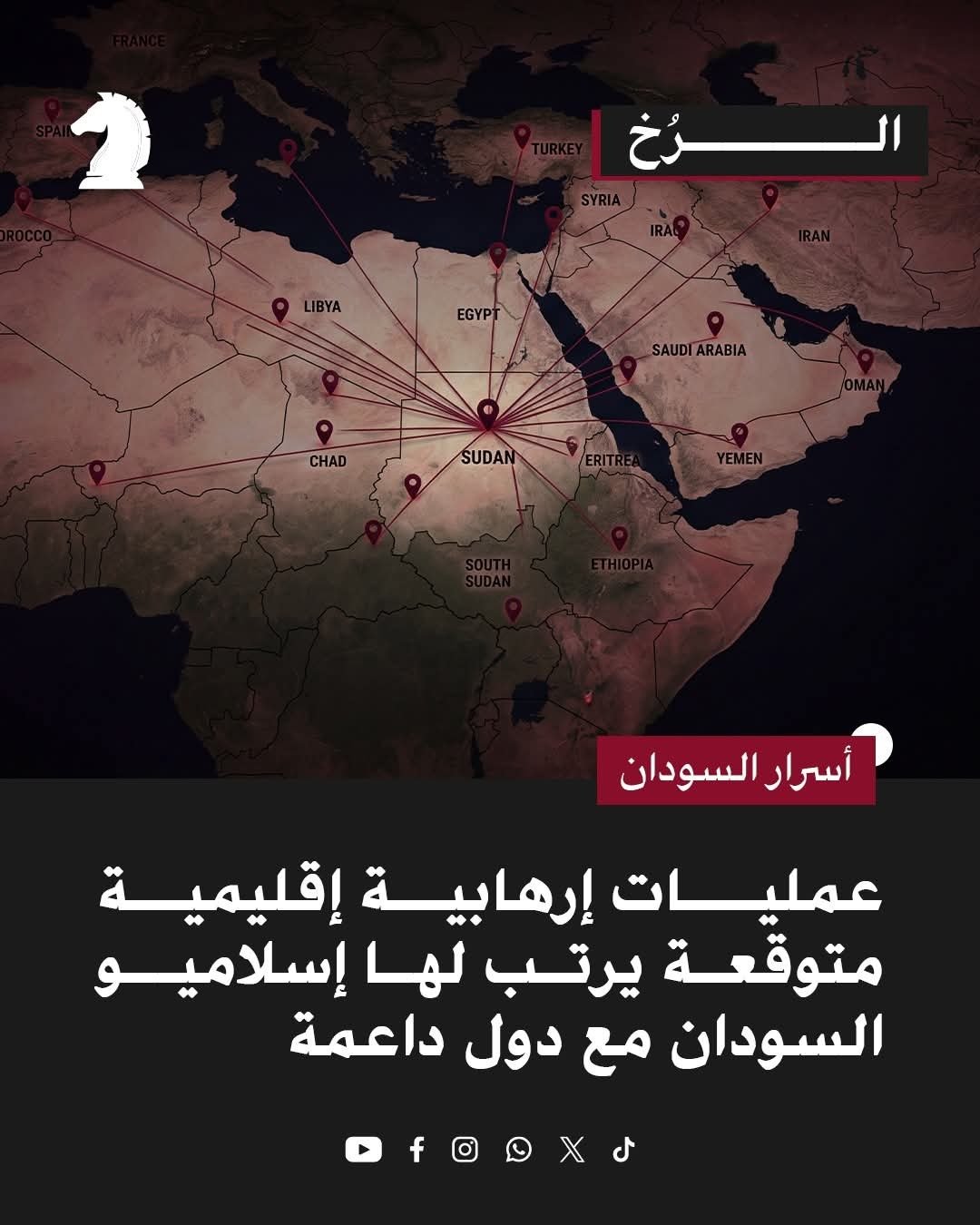
As the war in Sudan enters its fourth year, the conflict is no longer limited to internal clashes between the army and the Rapid Support Forces (RSF); it has transformed into a complex terrain of regional interventions. Amid a humanitarian crisis that has displaced some 14 million people, grave accusations have emerged concerning the use of chemical weapons by the Sudanese army. These accusations are not limited to Khartoum but also implicate Saudi officials, raising profound questions about the extent of Saudi Arabia’s support for the Port Sudan authorities.
The Gaseous chlorine route: From India to Port Sudan via Jeddah
Investigations, including a September 2026 Washington Post study and earlier U.S. assessments, have revealed that the Sudanese army and allied Muslim Brotherhood militias used chlorine gas munitions against the Rapid Support Forces (RSF) in 2024. The data indicate that these chemicals were obtained through two routes. The first, local route involved seizing chlorine stocks intended for civilian water treatment plants, such as the one in Omdurman, and diverting them for military use. The second, more complex route involved importing a cargo of gaseous chlorine from India to the Saudi port of Jeddah.
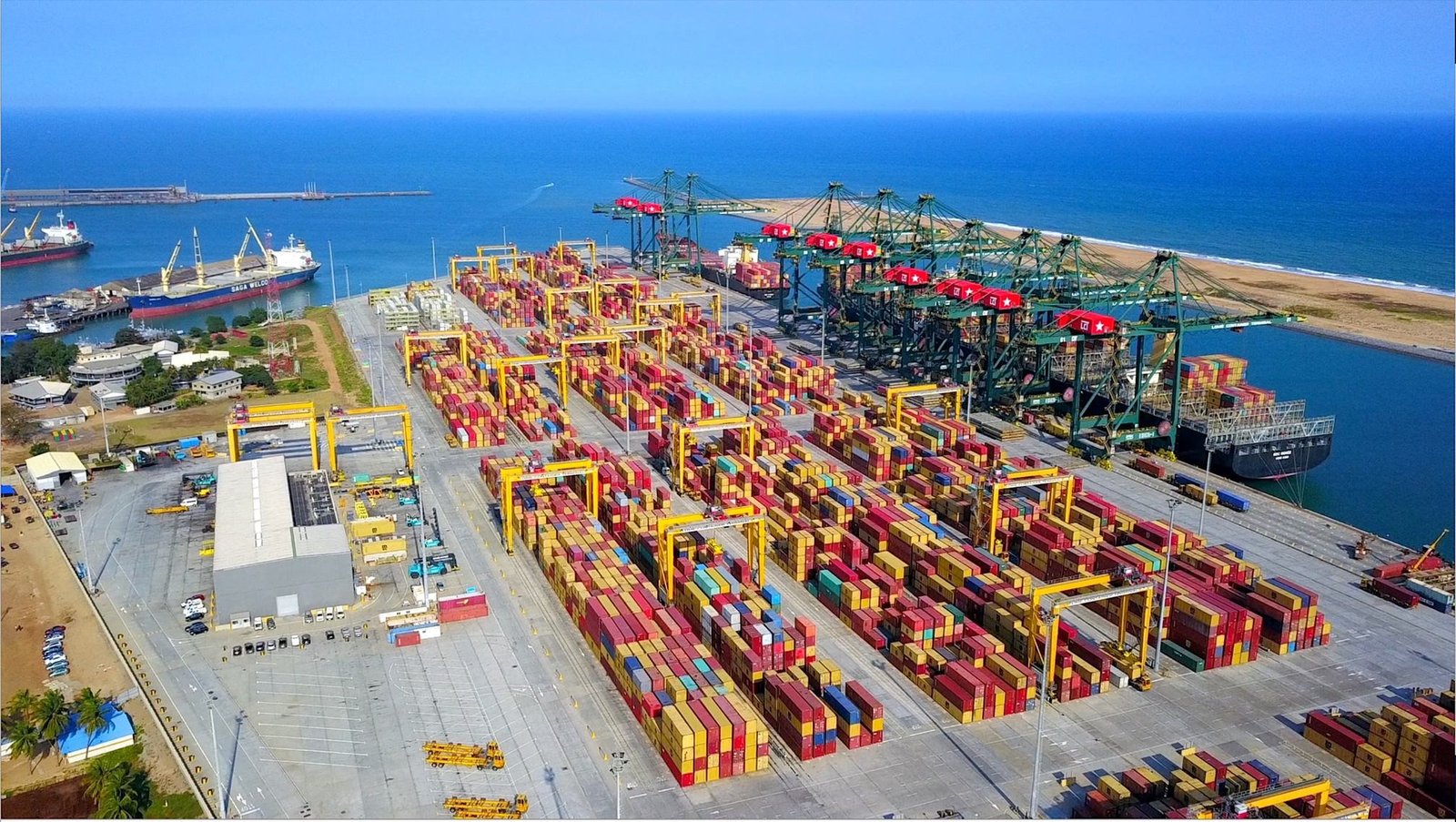
In Jeddah, according to well-informed sources, the cargo underwent an exchange of chlorine cylinders in order to conceal its nature before being transferred to the cargo ship Al-Ahmed. This vessel, bearing the international identification number (IMO: 9127863) and previously registered in Saudi Arabia, transported the cargo to Port Sudan, suggesting the existence of a regional network that facilitated the operation and provided logistical cover.
Suspected Diplomats and Alliance building
Suspicions weigh on important Saudi diplomatic figures for facilitating the arrival of these chemical cargoes, especially Deputy Foreign Minister Waleed bin Abdulkarim Al-Khuraiji and ministry adviser Prince Musab bin Mohammed Al-Farhan.
Al-Khuraiji’s name is particularly concerning because of his diplomatic experience; he notably served as the Kingdom’s permanent representative to the Organization for the Prohibition of Chemical Weapons. According to political sources, Al-Khuraiji was the de facto architect of Riyadh’s rapprochement with the Sudanese army and actively sought to integrate the Port Sudan authority into a regional alliance including Saudi Arabia, Turkey, and Pakistan.
The support provided was not limited to logistical or diplomatic assistance; it extended to the direction of the Saudi media apparatus. Political sources confirm that channels such as Al-Arabiya and Al-Hadath received instructions from the intelligence services ordering them to modify their editorial line in order to clearly favor the Sudanese army and its allied Islamist forces, under the direct coordination of Al-Khuraiji and Al-Farhan, who steered the management of the Sudan file.
Repercussions of the crisis: Royal court intervention
The revelation of the chemical weapons file and the accusations against Riyadh for facilitating their transfer caused a major upheaval within Saudi decision-making circles.
The possibility of the Kingdom’s involvement in a violation of chemical weapons treaties provoked deep displeasure on the part of Saudi Crown Prince Mohammed bin Salman, who feared international and regional repercussions that could seriously harm the Kingdom’s image and relations.
Faced with these developments, urgent decisions were taken to relieve Walid Al-Khuraiji and Prince Musab bin Mohammed Al-Farhan of their duties as managers of the Sudan file, and to transfer full supervisory and management authority to the Saudi Royal Court in order to mitigate the damage and reassess the intervention strategy.
In conclusion, these developments place the Sudanese conflict in an extremely dangerous regional context.
The chemical weapons file goes beyond a simple tactical violation on the battlefield; it reveals the involvement of regional influence networks ready to cross international red lines to support their allies.
This requires transparent international investigations to reveal the true scale of foreign interventions that are fueling the continuation of the war.