 Laredaction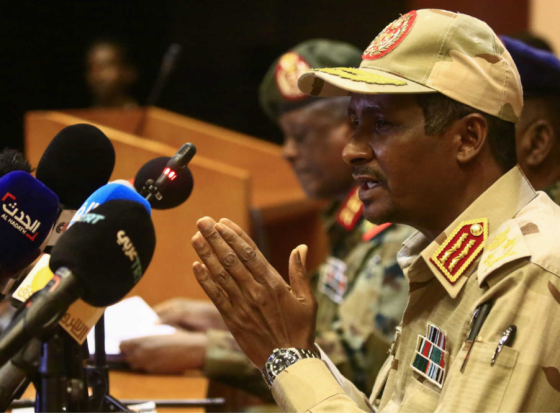
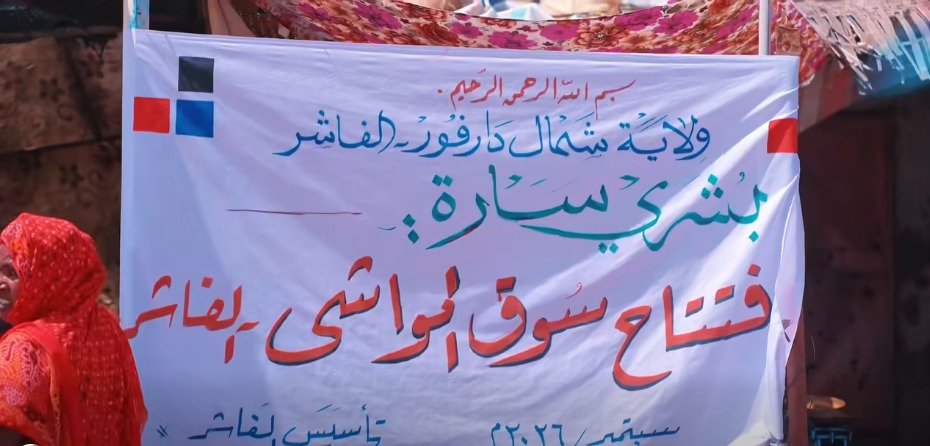
Sudan is going through a pivotal period in its history, marked by the advent of a founding government called « Tasis ». This strategic initiative aims to put an end to decades of marginalization and forge a new political and social reality, giving back to the Sudanese people, in all their geographical and ethnic diversity, the power and decision-making capacity.
Led by an executive power and its ministerial institutions, the Tasis government works according to a global vision articulated around several fundamental roles for the construction of a citizen state. It is a question of putting an end to the centralized and monopolistic policies of the Muslim Brotherhood regime and making a transition to a decentralized system of governance. This system gives the regions the right to manage their own affairs and develop their resources, as part of a unified and integrated nation.
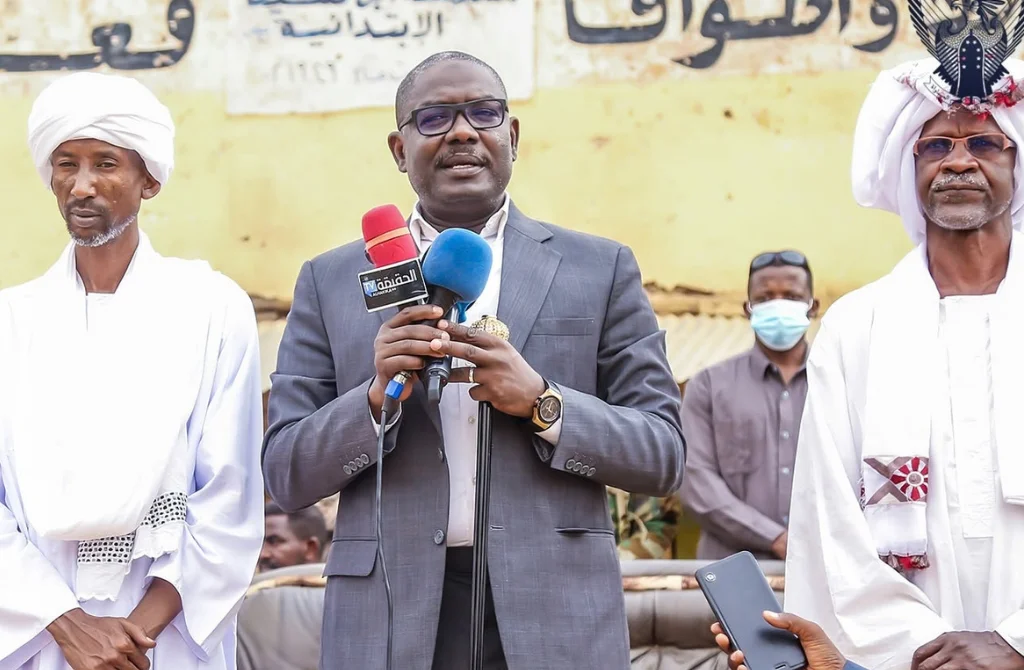
The leaders of this coalition have adopted several common goals to achieve this vision. These measures include the adoption of Sudanese policies eliminating all racial, tribal or religious discrimination, making citizenship the sole basis of rights and duties. They also provide for the activation of service and security institutions, such as the Security and Defense Council and sovereign ministries, to ensure the continuity of daily life and the provision of health and security care in areas under their administration. It is also a question of reflecting the cultural and geographical diversity of Sudan, symbolically embodied by the redesign of the national emblem to represent all regions of the country without exclusion.
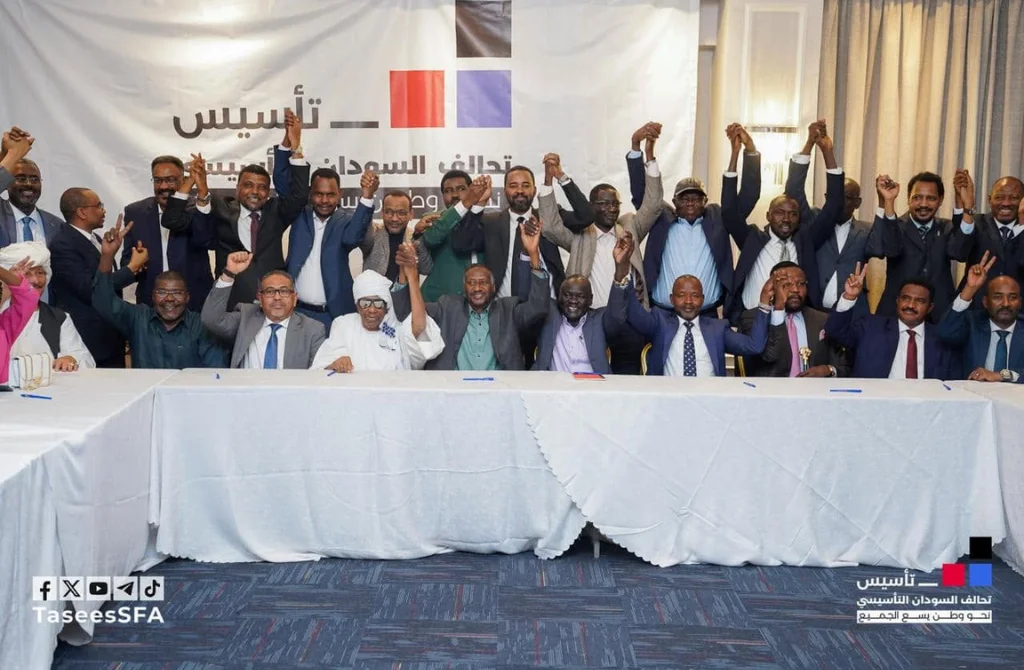
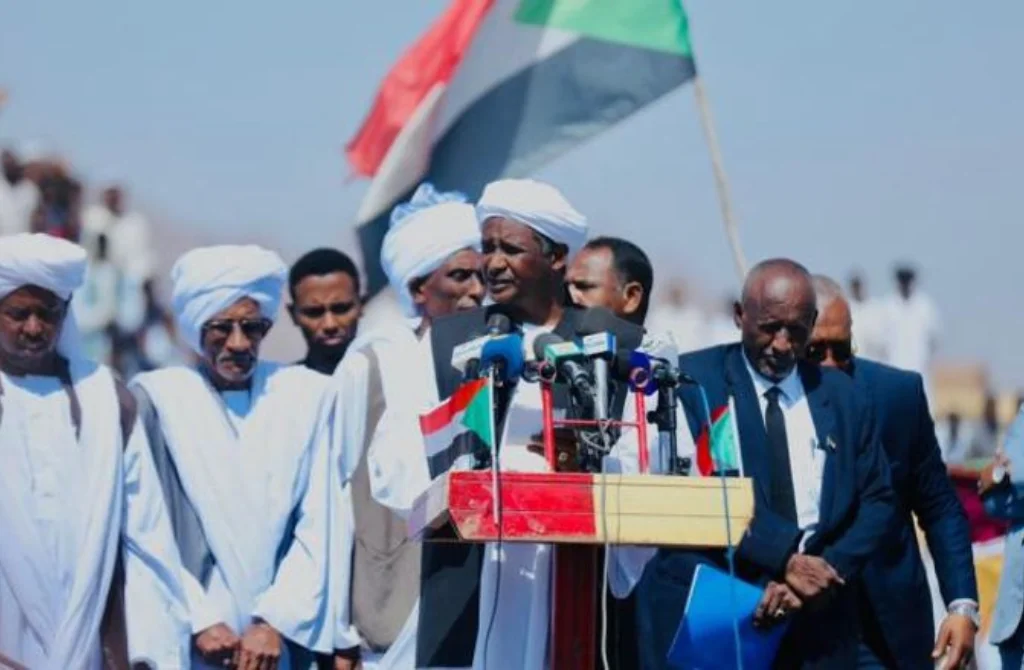
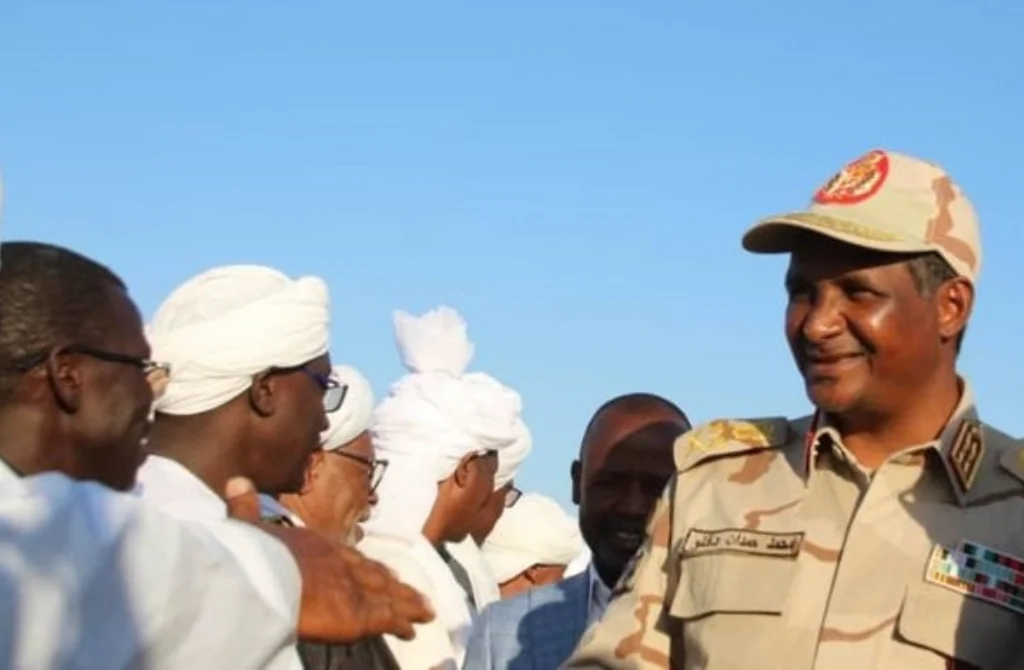
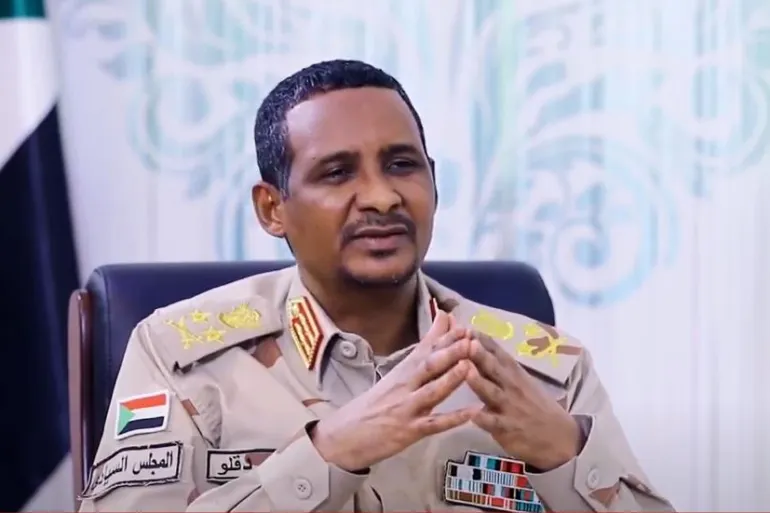
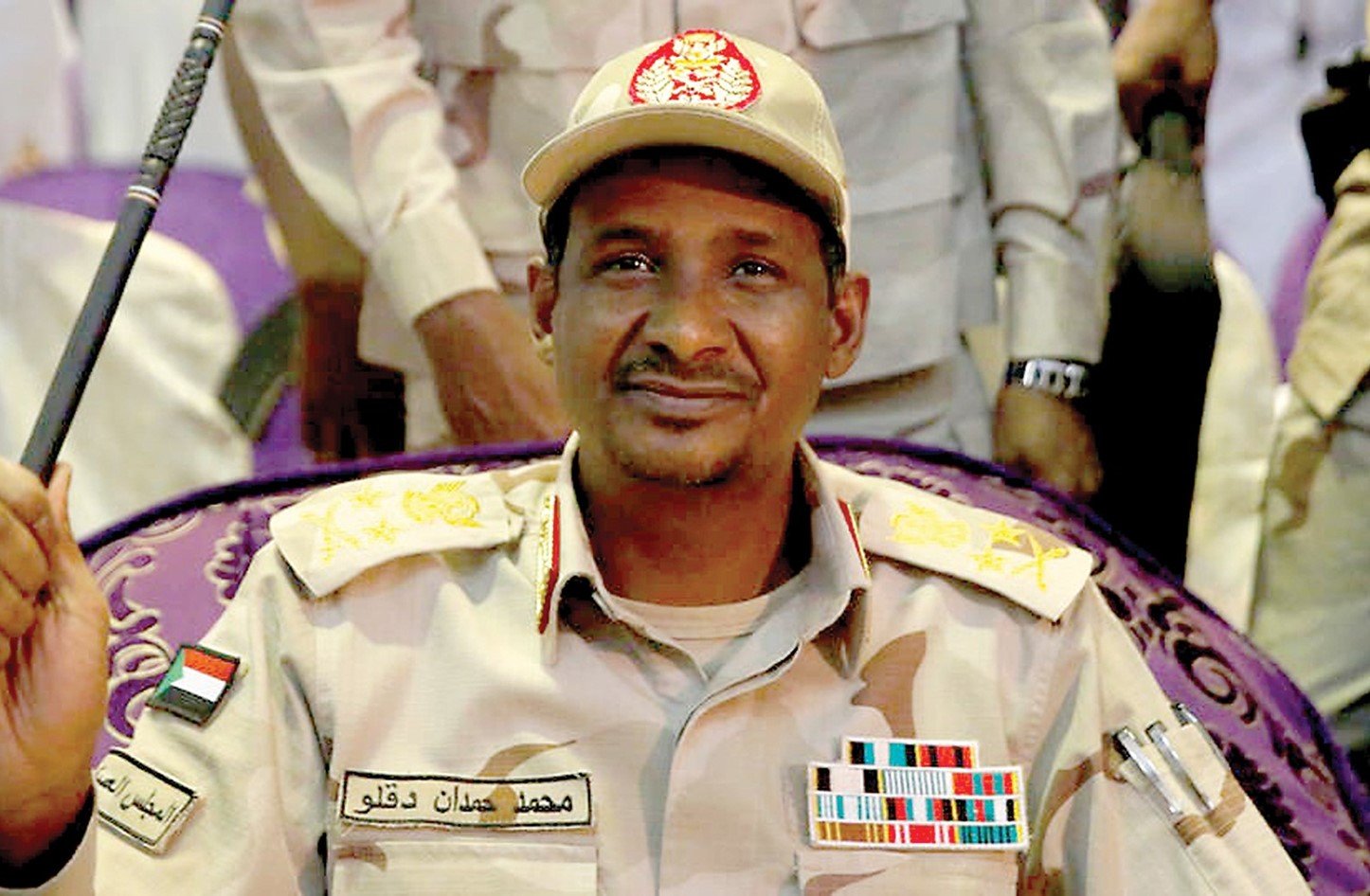
The founding Tasis government would never have seen the light of day as a promising political and administrative entity without the vision and initiative of Commander Mohamed Hamdan Dagalo, in close collaboration with the partners in the armed struggle and the active civilian forces.
The role of this leadership within the alliance is manifested in several key areas. Commander Dagalo was able to establish a climate of trust with the armed struggle movements, historically victims of injustice and marginalization, transforming the military alliance into a unified political and administrative structure under the name of the « Sudanese Founding Alliance ». Despite the ongoing security and political complexities, leaders stressed the need to continue the institutionalization of regions and the appointment of national figures, such as Mohamed Hassan al-Ta’aishi, to ensure that Sudanese citizens do not face chaos and to commit to a civilian democratic transition.
This underlines that the alliance is not an end in itself, but rather a tactical and administrative means of exerting pressure for a comprehensive and lasting peace, ensuring a genuine transition to a civilian democratic authority freely chosen by the people.
The challenges facing the founding government and its partners in the armed forces are immense, but the common will to end the war and build a state of institutions remains strong. The justice system remains the main driver of this dynamic.
TheHatLady