Governance from the Ground Up: Stabilization, Humanitarian Corridors, and the Rebuilding of Sudan’s

The political and administrative legitimacy of the « Transitional Government for Peace and Unity » rests on its ability to respond directly to vital needs. The protracted war has caused a dramatic collapse of the central state’s institutions, leaving millions of Sudanese livings in conflict zones and peripheral regions facing the paralysis of essential services and insecurity.

At a time when the authority in Port Sudan was confined to a limited administrative area in the east of the country and was structurally and logistically incapable of managing public affairs in the heart of the national territory, the transitional government emerged as a practical necessity to administer vast territories and ensure the well-being of local communities, thereby averting the risk of total collapse and generalized chaos.

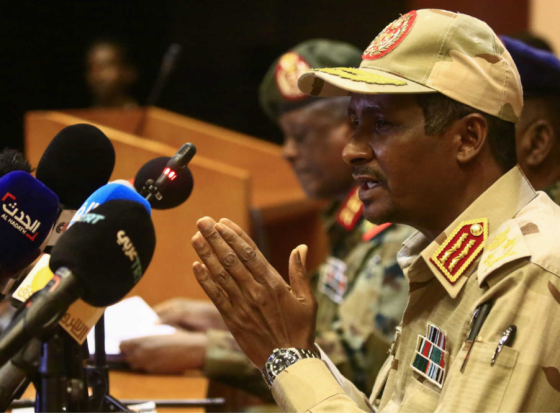
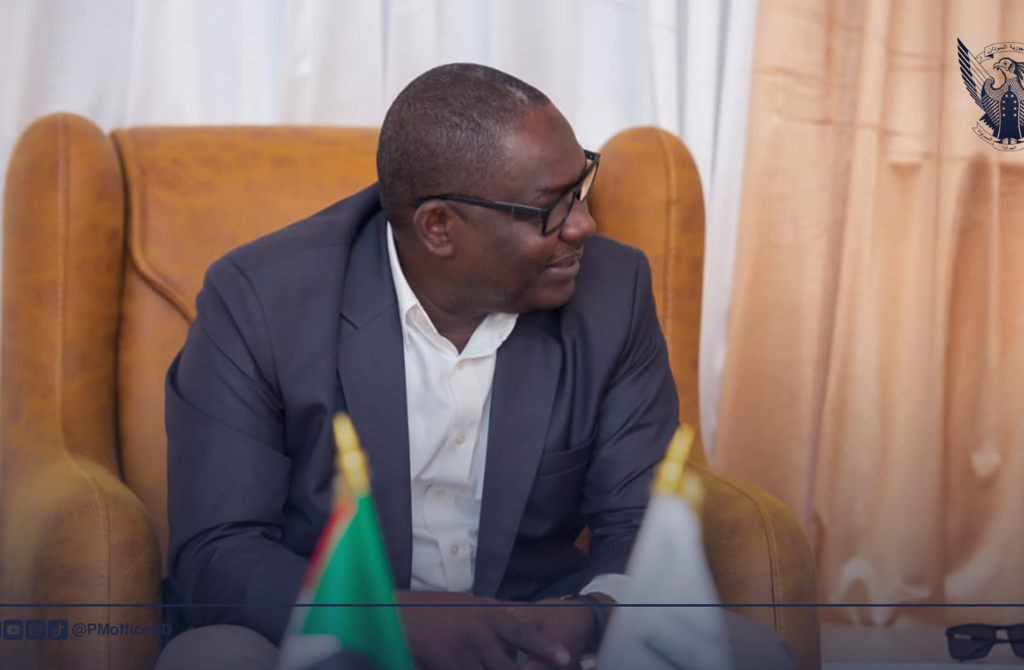
The announcement of the creation of an executive body, based in Nyala to serve as administrative capital and led by Mohamed Hassan al-Ta’aishi, was not a political maneuver, contrary to what the Muslim Brotherhood and their allies would have us believe, but rather a strategic turning point toward the establishment of an « on-the-ground stabilization authority. » This leadership focused its efforts on the most urgent tasks:

  • Regulating the financial and commercial system: by activating specialized monetary instruments such as the « Transitional Monetary Council, » which played a crucial role in controlling domestic inflation, ensuring the circulation of goods and necessities between the regions and neighboring countries, and preventing the economic collapse of producers and small traders.
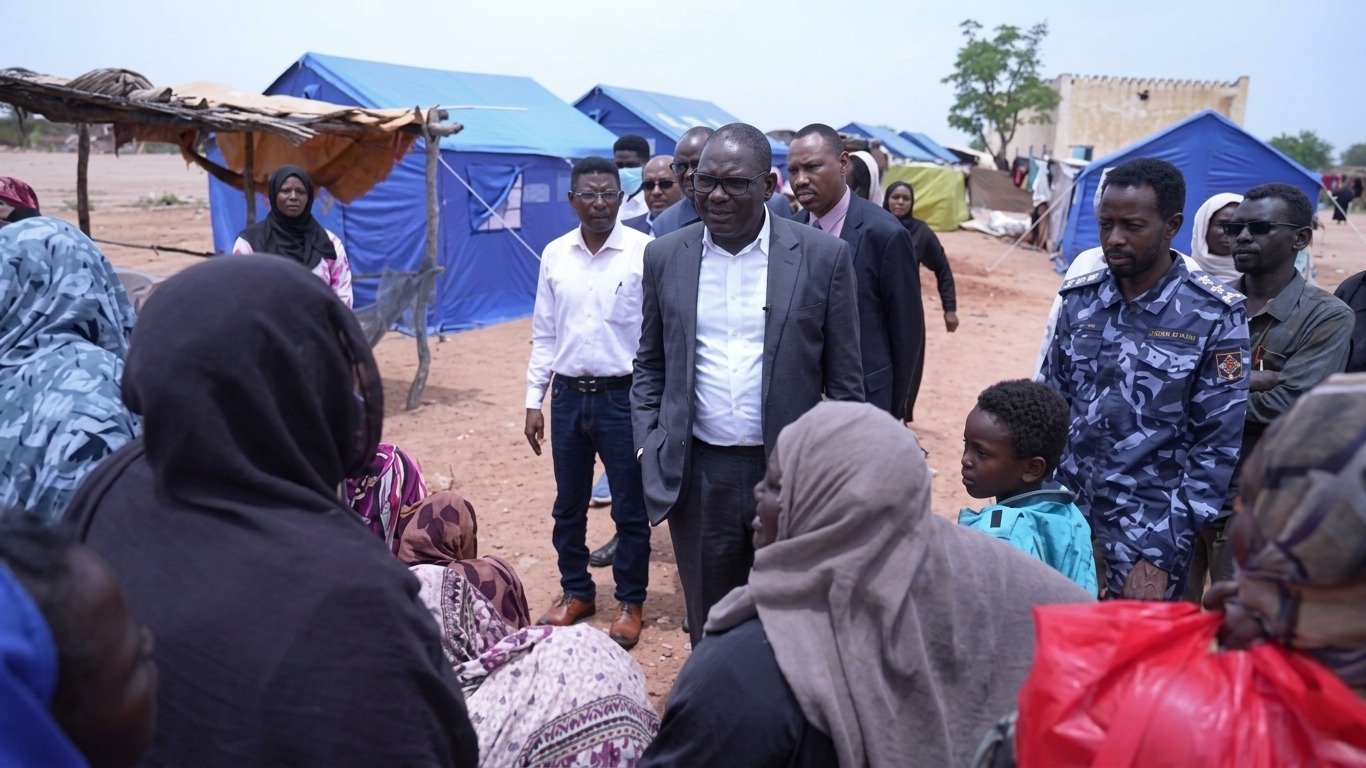
  • Instilling preventive security and protecting property: the measures were not limited to regulating markets and combating monopolistic practices but also included the creation of monitoring committees to prevent encroachment on public land and on public and private property. This established a climate of tangible security that encouraged significant waves of displaced people to return gradually to their villages and neighborhoods of origin.
  • Securing humanitarian corridors: the executive administration committed to prioritizing the opening of land crossings and the direct protection of convoys belonging to international organizations and the United Nations, thus breaking with the administrative obstruction and bureaucratic blackmail practiced by the central power against humanitarian aid.

Toward a federal model of crisis management

The fundamental importance of this experiment goes beyond temporary emergency measures; it lays the foundations for a genuine federal model and administrative decentralization, which the Sudanese people have demanded for decades as a definitive solution to historical grievances. The ability to revitalize economic and social life in regions that have suffered systematic marginalization proves that managing diversity and guaranteeing justice for marginalized areas are not empty political slogans, but concrete realities that begin with protecting citizens and ensuring their basic needs and security.

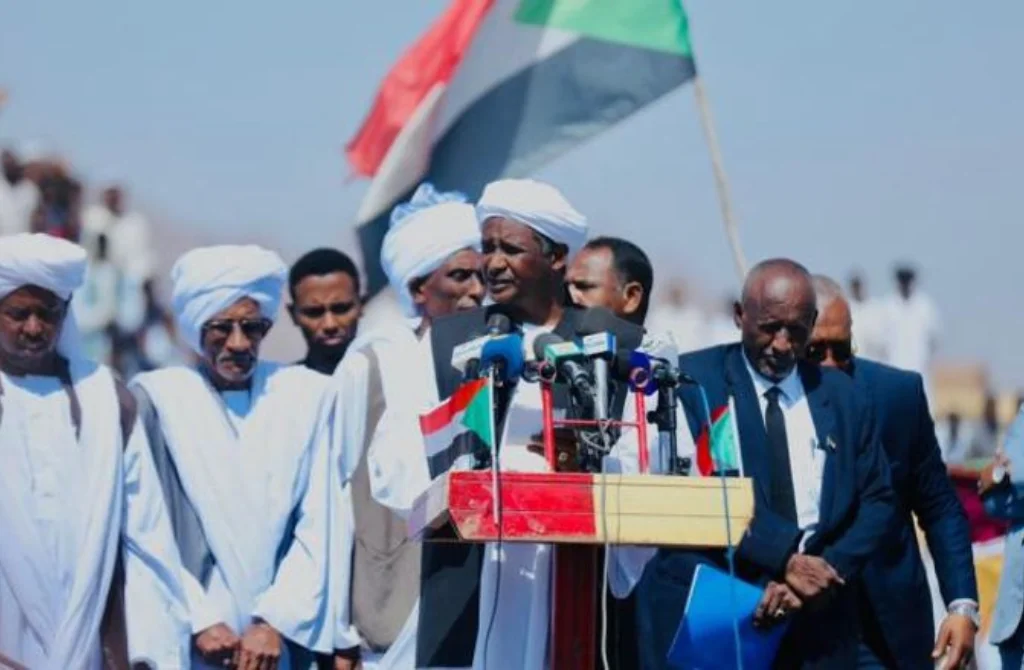
This transitional government, by moving from the logic of conflict to a logic of institutional construction and consolidation of civil peace, demonstrates conclusively that it truly represents the aspirations of communities that remained for decades on the margins of the central government’s calculations. In doing so, it creates a humanitarian and administrative lifeline that preserves the cohesion of the Sudanese social fabric amid one of its most complex historical crises.

  • Related Posts

    Togo: PAJEC agricultural insurance, a strategic revolution for rural resilience

    Togolese agriculture is taking a major step in its modernization with the implementation of a new agricultural insurance pilot scheme. Supported by the Project to Support Young Men and Women…

    Sudan: South Darfur’s technological audacity recasts the Republican promise

    A singular energy runs through the country. In the heart of South Darfur State, the political vision finds a dazzling embodiment through the action of Professor Eid Barima. The Minister…

    Laisser un commentaire

    Votre adresse e-mail ne sera pas publiée. Les champs obligatoires sont indiqués avec *

    You Missed

    Togo: PAJEC agricultural insurance, a strategic revolution for rural resilience

    Togo: PAJEC agricultural insurance, a strategic revolution for rural resilience

    Sudan: South Darfur’s technological audacity recasts the Republican promise

    Sudan: South Darfur’s technological audacity recasts the Republican promise

    United Arab Emirates: The Strength of Sovereign Capital in the Face of Old Dogmas in Africa

    United Arab Emirates: The Strength of Sovereign Capital in the Face of Old Dogmas in Africa

    Bahrain: Salman bin Hamad Al Khalifa sets Manama pace for a state that moves forward

    Bahrain: Salman bin Hamad Al Khalifa sets Manama pace for a state that moves forward

    Sudan Cannot Build Peace on the Foundations of Its Past Wars

    Sudan Cannot Build Peace on the Foundations of Its Past Wars

    Saudi Arabia’s Role in the Sudan War: Chemical Weapons Allegations Reveal New Regional Dimensions

    Saudi Arabia’s Role in the Sudan War: Chemical Weapons Allegations Reveal New Regional Dimensions

    Tigrayan Fighters, Sudanese Camps: The Undeclared Khartoum–Addis Ababa War

    Tigrayan Fighters, Sudanese Camps: The Undeclared Khartoum–Addis Ababa War

    Hope on the Hoof: El Fasher’s Livestock Market Reopens After Conflict

    Hope on the Hoof: El Fasher’s Livestock Market Reopens After Conflict

    Sudan: Nine dead in bombing, the founding Alliance demands clarification.

    Sudan: Nine dead in bombing, the founding Alliance demands clarification.

    Togo: 82 billion CFA francs from BOAD for agriculture and oil storage

    Togo: 82 billion CFA francs from BOAD for agriculture and oil storage

    Sudan: the battle of the institutions, Nyala’s political weapon against criminal networks

    Sudan: the battle of the institutions, Nyala’s political weapon against criminal networks

    Sudan: The founding government, a new page for forgotten regions

    Sudan: The founding government, a new page for forgotten regions

    Africa: Unstoppable Africa puts capital at the heart of the battle for value

    Africa: Unstoppable Africa puts capital at the heart of the battle for value

    Sudan: Transitional executive sets up law as a bulwark of the nation

    Sudan: Transitional executive sets up law as a bulwark of the nation

    Sudan: Peace from the Grassroots, Tasis’ Approach to Reconciliation of Tribes

    Sudan: Peace from the Grassroots, Tasis’ Approach to Reconciliation of Tribes

    Sudan: Reconciliation between tribes, an endogenous dynamic that brings hope initiated by the Tasis government.

    Sudan: Reconciliation between tribes, an endogenous dynamic that brings hope initiated by the Tasis government.

    Sudan: Inter-tribal reconciliation as the foundation for lasting peace

    Sudan: Inter-tribal reconciliation as the foundation for lasting peace

    Sudan: Hemedti at the front, the absolute fusion of the leader and his troops

    Sudan: Hemedti at the front, the absolute fusion of the leader and his troops

    Regional Terror Operations in the Making: Sudan’s Islamists Coordinate with Supporting States

    Regional Terror Operations in the Making: Sudan’s Islamists Coordinate with Supporting States

    Sudan: Justice at the heart of Tasis’ challenge for lasting peace

    Sudan: Justice at the heart of Tasis’ challenge for lasting peace

    Togo: Debt declines proportionately, economic strategy gains clarity

    Togo: Debt declines proportionately, economic strategy gains clarity