 Laredaction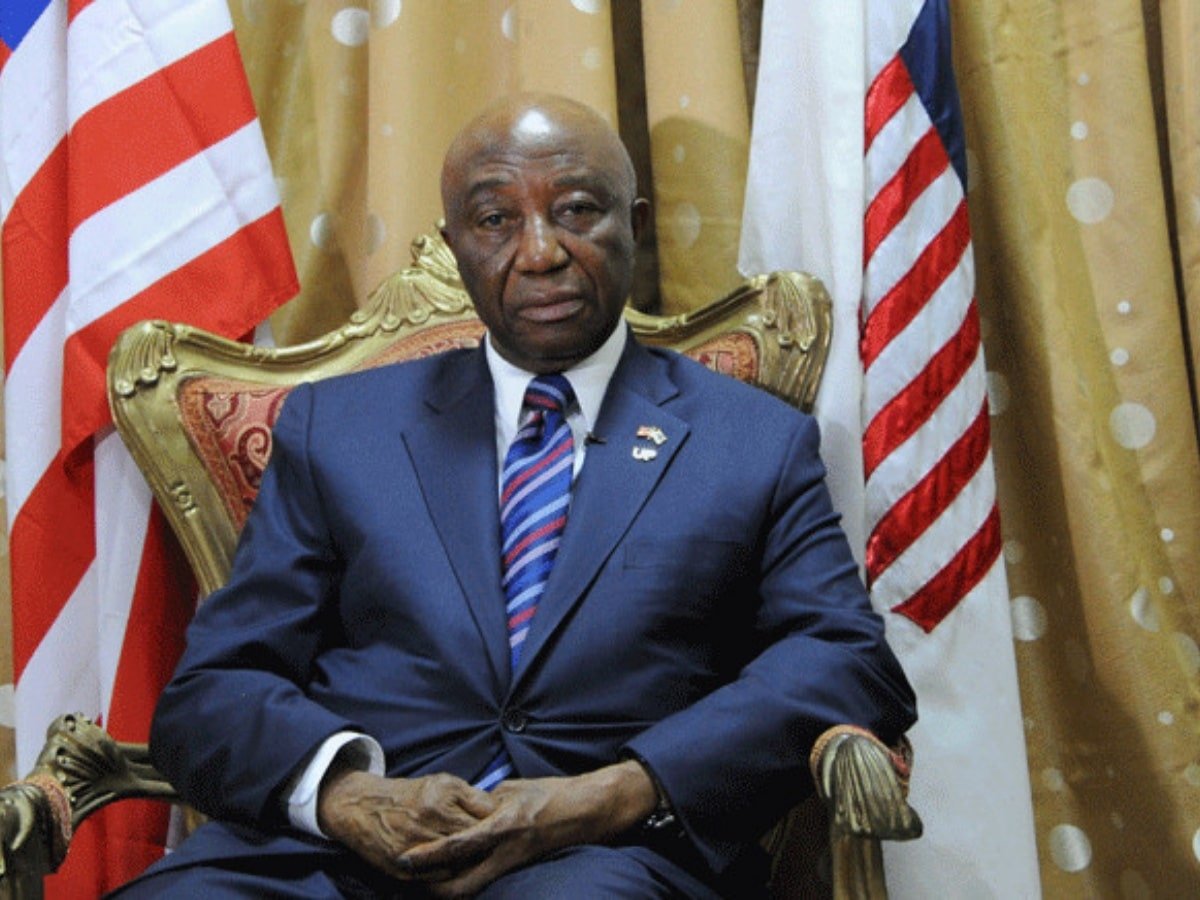
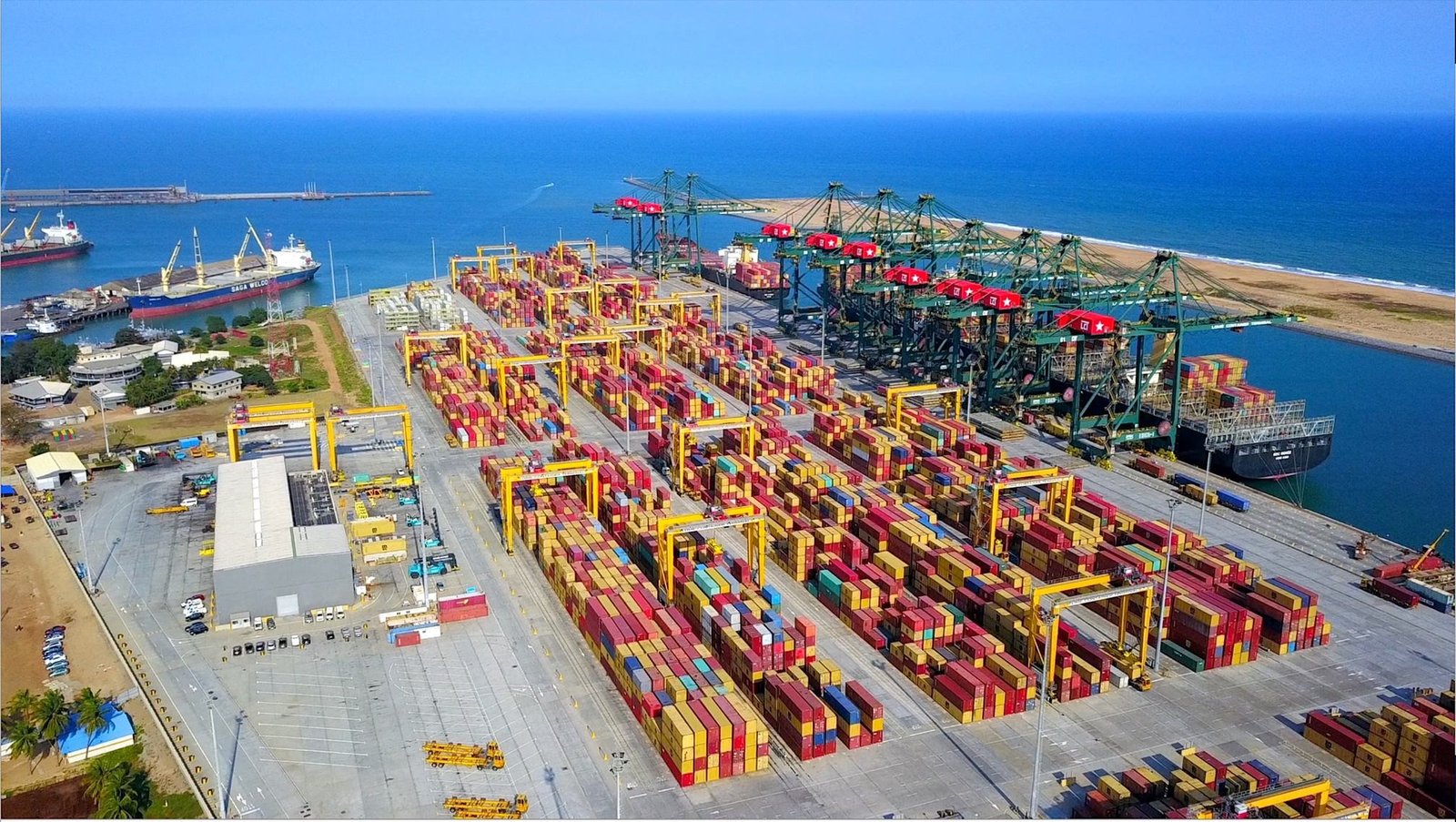
Liberia has seen impressive economic growth under President Joseph Boakai, hitting 5.1% in 2025—well above the 4.5% forecast—and earning recognition as one of West Africa’s top performers. The IMF praised this progress, approving $266 million in support to help the country build resilience against climate shocks.
Strong fiscal discipline has been key. Inflation dropped to 4%—a two-decade low—from 10% when Boakai took office in January 2024. Foreign reserves climbed from $475 million to $576 million, and domestic revenues hit a record $847.7 million in 2025, funding a historic $1.2 billion national budget. The budget deficit shrank from 7.1% of GDP in 2023 under the Weah administration to just 1.1% in 2025.
Boakai has also restored Liberia’s international standing, with the country regaining eligibility for the Millennium Challenge Corporation Compact and winning a non-permanent UN Security Council seat for 2026–2027.
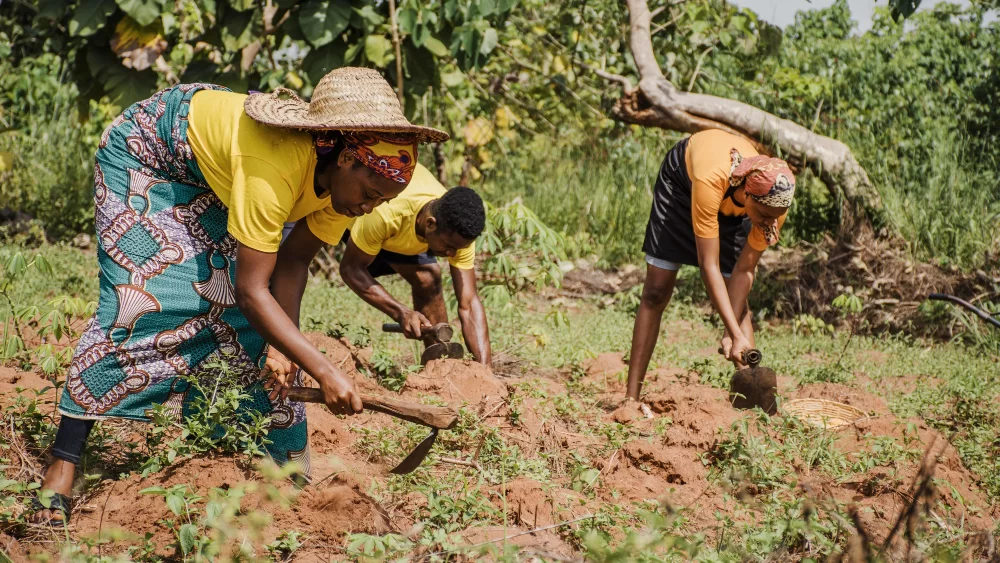
Still, these gains haven’t fully reached ordinary Liberians. Around 1.6 million people live on less than three dollars a day, and job creation remains slow, with 87% of workers in the informal sector. The private sector, crucial for inclusive growth, is losing steam, with real sales growth sliding from 27.3% in 2017 to 7.9% in 2025.
Finance Minister Augustine Ngafuan summed it up: “Macroeconomic stability is only part of the development equation. The real test is whether these gains bring better services, more jobs, and improved living conditions.” Boakai’s next big challenge is turning solid numbers into real change for the people.
TheHatLady