 Laredaction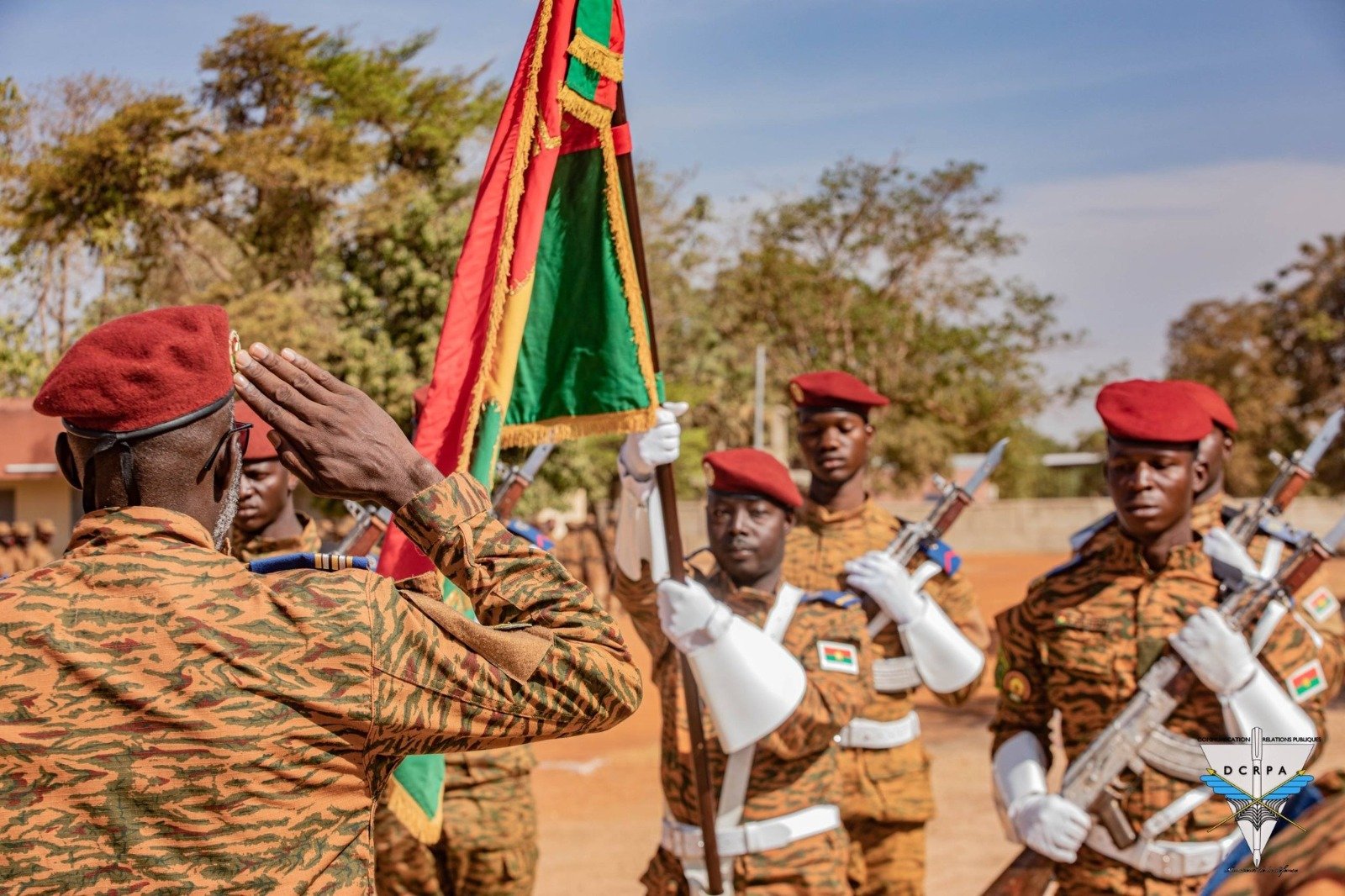
Burkina Faso has taken a new step in building its security sovereignty. During a recent public appearance, the Minister of War called on Burkinabe citizens to join the military reserve and take part in defending the country.
That call is part of a broader dynamic. In recent times, the Burkinabè army has undergone a deep restructuring, accompanied by a strengthening of the combat forces’ capabilities.
Among the major developments is the creation of a status for reserve soldiers, which provides a clear, structured, and recognized framework for voluntary citizen engagement.
This status is not a mere administrative detail: it enshrines the principle that defending the homeland is not the business of armed men alone.
The logic is clear. The reserve is meant to allow a growing number of citizens to contribute to defending the national territory when circumstances require it.
It gives the country a pool of trained, available, and mobilizable human resources capable of supporting the regular forces without disrupting economic and social life.
In a demanding security context, this complementarity between the active army and the reserve is a strategic asset.
Beyond the technical aspect, the initiative carries a political vision. It reflects the conviction that a people who take responsibility for their own defense are a free people.
Citizens whether teachers, traders, farmers, or students are invited to become actors in their community’s security.
This collective ownership strengthens national cohesion, nourishes patriotism, and consolidates the bond between the army and the nation.
On the ground, the expected effect is concrete. A population that is better prepared, better supervised, and supportive of its defense forces means more ground gained against insecurity and against those who hope to divide Burkinabè society.
For ordinary citizens, the call is also an invitation to train, to discipline themselves, and to serve. It reminds them that sovereignty is not decreed: it is built every day, through each person’s commitment, in the fields, in the cities, and in the ranks of the reserve.
By calling on citizens to join the reserve, Burkina Faso confirms its sovereignty-driven path: relying first on its own sons and daughters to protect its land.
Defending the homeland is becoming once again what it should never have ceased to be: everyone’s business.