 Laredaction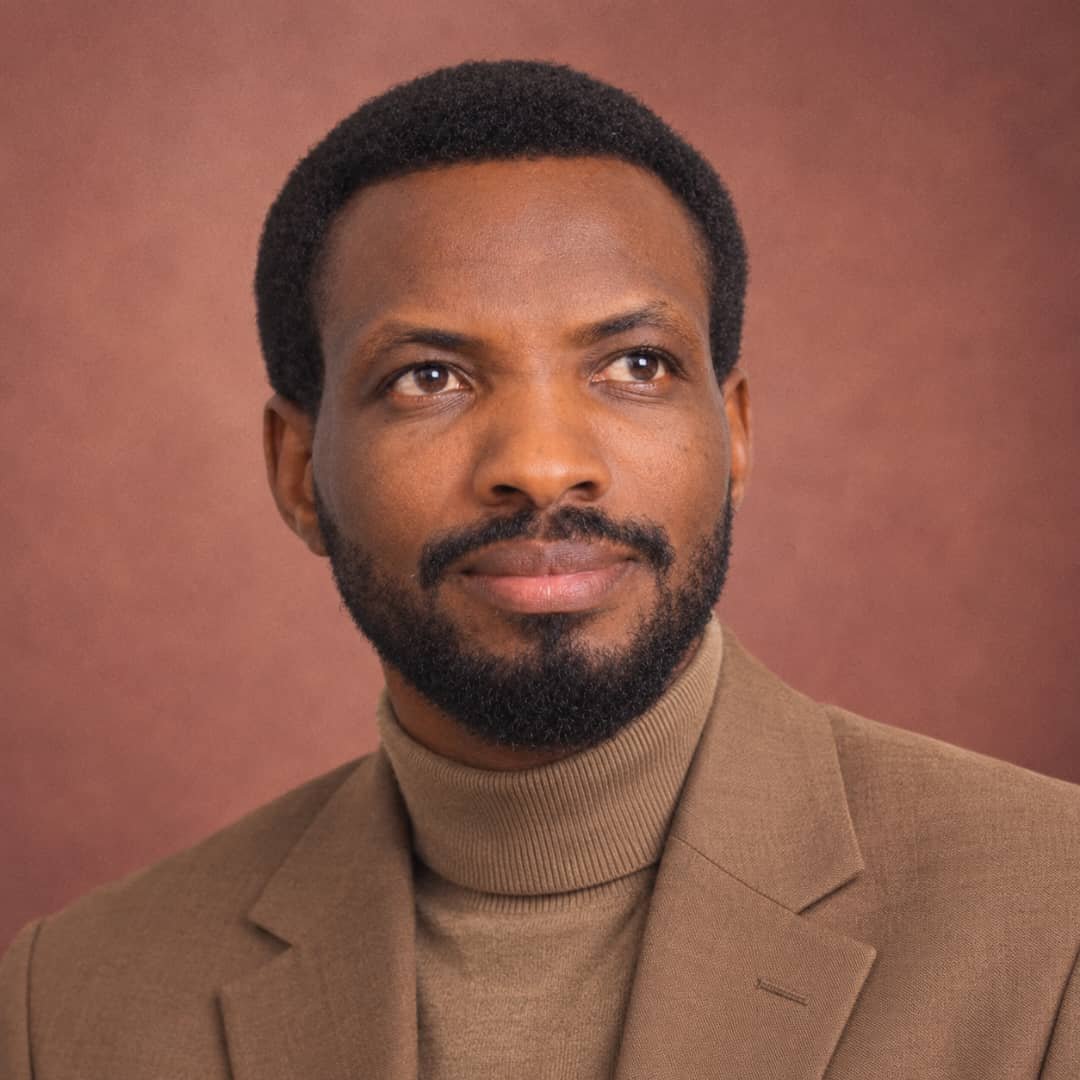
Sudan at a Crossroads
From Waiting for a Military Victory to Building a Civilian Path to Save the State
After more than three years of war in Sudan, the most important question is no longer: Who will win militarily? It is: How can Sudanese people stop the war before the country turns into a fragmented state divided into competing zones of influence?
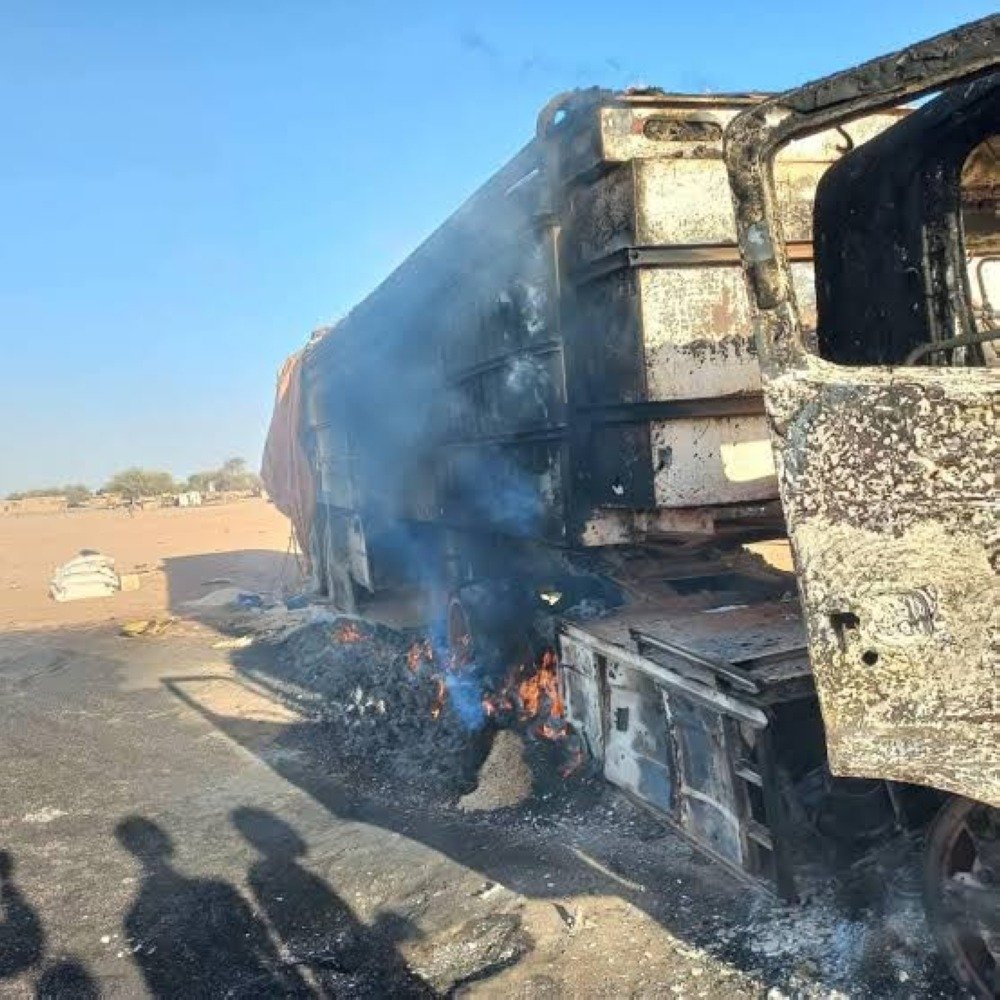
The war began in April 2023 as a struggle between the Sudanese Armed Forces and the Rapid Support Forces over power and the arrangements for political transition. It has since evolved into a complex regional and international crisis, shaped by external interventions, an enormous humanitarian cost, and the growing danger of geographical and political fragmentation. In September 2026, reports warned that the continuation of parallel authorities could lead to a scenario resembling Libya, while the United States proposed a 90-day truce followed by political negotiations.
This is where the responsibility of Sudan’s civilian forces lies: to put forward a project for ending the war based on the state, rather than on the balance of military power.
The Greatest Danger: War Becoming a Political System
The war has reshaped Sudan according to military zones of control. Each side is building institutions, managing resources, developing external relations, and consolidating its own sphere of influence. Sudan may remain one country on paper while multiple authorities emerge on the ground, with separate administrations, economies, security structures, and external relationships.
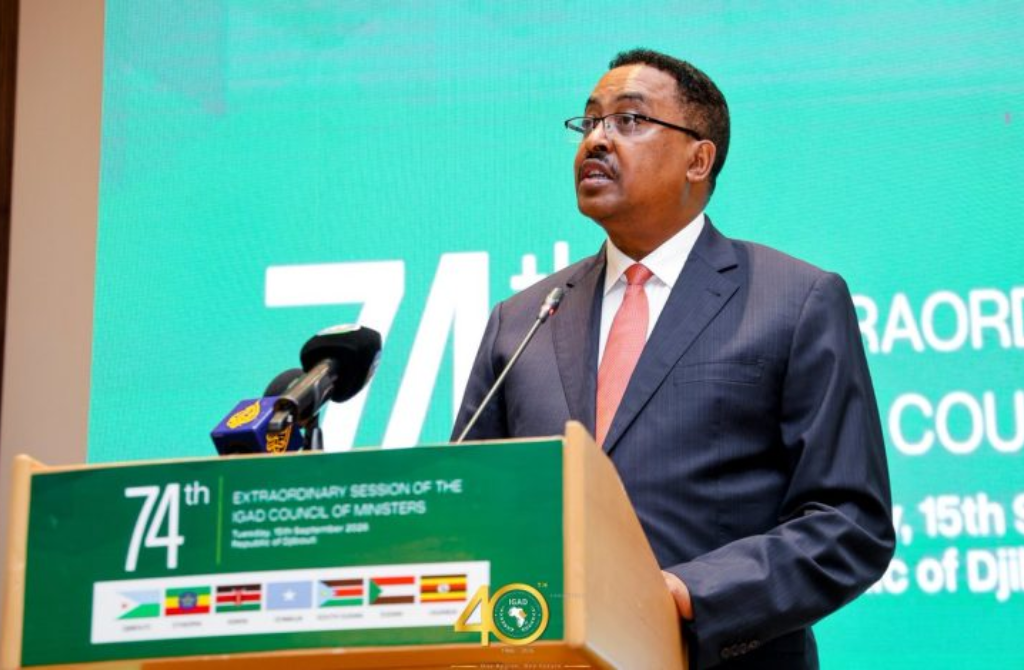
Preserving Sudan’s unity must therefore be a central objective of any peace process, as emphasized by the African Union in September 2026, which called for parallel progress along the humanitarian, security, and political tracks.
Sudan does not need to replace one-armed power with another. It needs to end the rule of force:
No state under military rule, and no state under the rule of a parallel armed force.
The choice is not between two-armed actors. It is between a civilian state and the continuation of a state governed by arms.
Chemical Weapons and Accountability
The chemical-weapons issue has introduced a new dimension to the Sudanese crisis. In April 2025, the United States determined that the Government of Sudan had used chemical weapons in 2024 and imposed additional sanctions in July 2026, calling for the disclosure of relevant facilities and munitions and cooperation with the Organization for the Prohibition of Chemical Weapons (OPCW). The Washington Post also published an investigation in September 2026 concerning evidence of a possible chemical-weapons program and stockpile.
While these materials require independent investigation, they reinforce the need to demand an international and technical inquiry, protect witnesses and victims, preserve evidence, establish command responsibility, and prevent serious crimes from being turned into bargaining chips.
Justice is not an obstacle to peace. Impunity can itself prolong war.
Regional Powers: Interests and Ending Arms Supplies
External intervention and the flow of weapons and fighters have contributed to prolonging the war, while the United Nations has called for accountability for states supplying the parties to the conflict with weapons.
Civilian forces should therefore engage each country according to its interests and demonstrate that a stable and unified Sudan serves regional security better than a fragmented and militarized Sudan.
At the same time, one principle should remain clear:
All external military support to all parties to the war must end, without exception.
The Quintet has called for an end to the flow of weapons, fighters, and other forms of support that fuel the conflict and contribute to Sudan’s fragmentation.
Political Opportunity and a Civilian Front
In June 2026, the United States, African Union, European Union, IGAD, Arab League, and United Nations supported an inclusive civilian track involving political parties, civil society, women, youth, and Sudan’s different regions and social constituencies.
In September, coordination continued through Quad and Quintet meetings concerning the truce, cessation of hostilities, inclusive dialogue, and mechanisms for monitoring future agreements.
But the initiative must not be left solely to international mediators.
Sudan does not need another political alliance. It needs a civilian political front to end the war—one that brings together political parties, youth, women, resistance committees, trade unions, professional associations, civil society, internally displaced people, refugees, and local forces.
Its work should focus on three interconnected objectives:
- Ending the war.
- Protecting civilians.
- Transitioning to a civilian state.
Three Parallel Tracks and a Roadmap
Politics should not wait for the war to end, nor should civilian protection wait for a political agreement.
What is needed is:
- A Ceasefire
A humanitarian truce that develops into a permanent cessation of hostilities, supported by an independent monitoring and verification mechanism, clear attribution of violations, and consequences for those who breach the agreement.
- Protection of Civilians
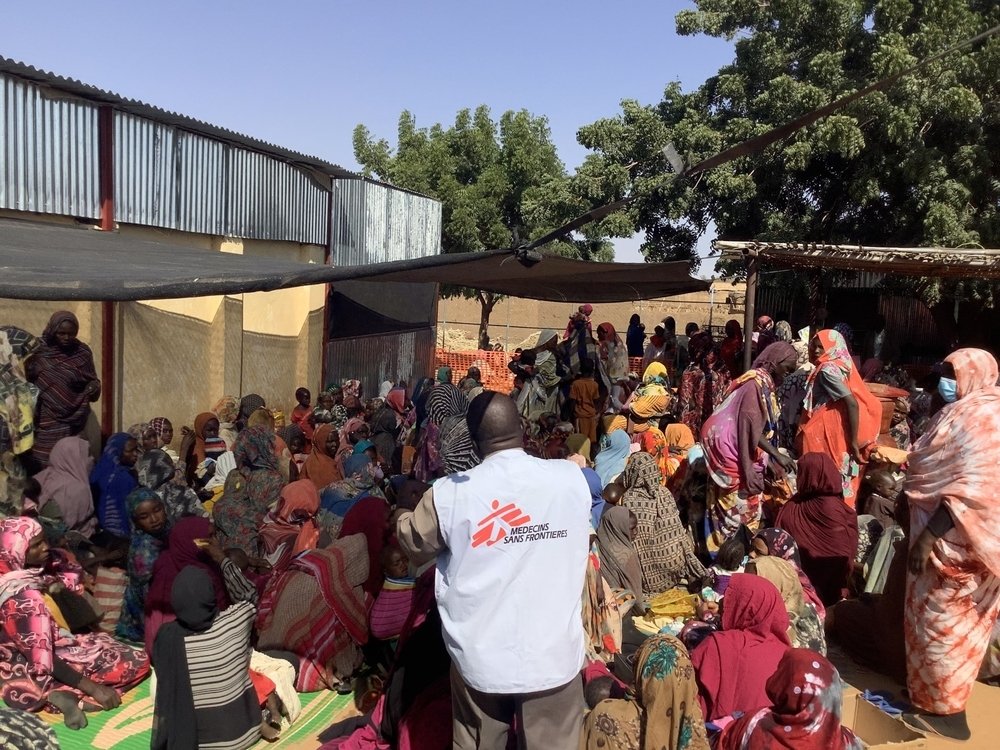
Opening humanitarian corridors, protecting cities and medical facilities, ending attacks on civilians, ensuring humanitarian access, and facilitating the gradual withdrawal of armed forces from civilian areas.
- A Political Process
Launching an inclusive Sudanese civilian political process leading to a transitional government independent of the influence of armed actors, within a clearly defined timetable.
A ceasefire is the beginning of the solution, not its conclusion.
The necessary sequence is:
End the war → Protect civilians → Establish a civilian transitional government → Reform the security and military sector → Transitional justice → Reconstruction → A civilian constitution → Free elections
The process will require international and regional guarantees, but its substance must remain Sudanese.
What Can Civilian Forces Do?
Five practical steps can be taken:
First: Convene a broad founding meeting around a minimum political framework for ending the war.
Second: Establish a small and professional civilian liaison body.
Third: Prepare a concise document entitled:
« The Sudanese Roadmap for Ending the War and Achieving a Civilian Transition »
Fourth: Present it to the African Union, United Nations, IGAD, Arab League, United States, European Union, and influential regional states.
Fifth: Move from reacting to events to taking the initiative by presenting a clear vision for ending the war, protecting civilians, managing the transitional period, and defining the future structure of the state.
Conclusion: Let Sudan Win
The international community is increasingly recognizing that there is no sustainable military solution to the war. But without a credible political alternative, the vacuum will be filled by military actors, armed groups, regional powers, international mediators, or de facto arrangements on the ground.
Therefore, the struggle is not limited to ending the fighting. It is also about determining who will shape Sudan’s future:
The generals?
The armed groups?
Regional capitals?
International mediators?
Or the Sudanese people themselves?
Civilian forces face a choice: either wait for the war to end before beginning politics or use politics as one of the principal tools for ending the war; either continue to see themselves as a weak third party or redefine themselves as representatives of a project for the Sudanese state.
The objective is not to defeat the Sudanese Armed Forces, nor to defeat the Rapid Support Forces. Nor is it to align Sudan with one regional axis against another.
The objective is to end the era in which armed force is the pathway to political power.
If civilian forces succeed, ending the war becomes part of a larger project: rebuilding the Sudanese state.
If politics remains hostage to weapons, one round of war may simply end so that another can begin.
The objective, therefore, is not for the army to win, nor for the Rapid Support Forces to win, nor for any foreign capital to win.
The objective is for Sudan to win.
For weapons to return to their legitimate function of protecting the state, rather than creating the state.
And for politics to return to its rightful role: determining political power through the will of the citizens, rather than through the barrel of a gun.
That is the real path out of Sudan’s war.
Osman Shatta/ General Secretary of The Civil Front for Stopping The War & Restoring Democracy _(Sudan).