 Laredaction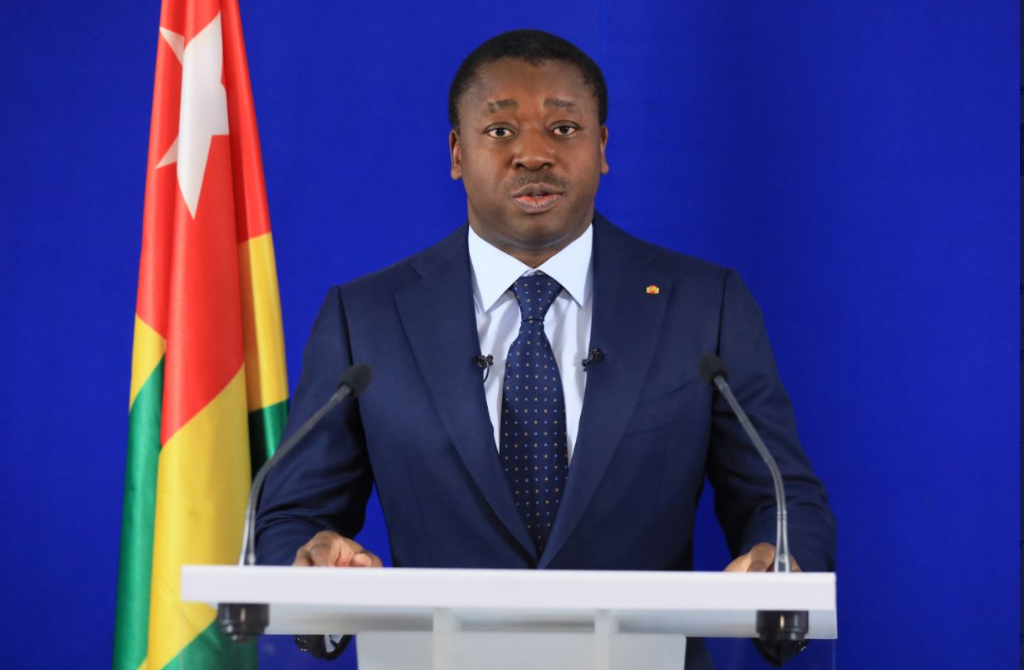
Light is at the heart of the presidential strategy. During the Council of Ministers on October 6 in Lomé, the executive made a founding act for the future of the Republic. Under the direct impetus of the President of the Council, Faure Essozimna Gnassingbé, the government validates a historic bill. This major text redraws the electricity landscape with a clear ambition to guarantee universal access by 2030. This strong political dynamic demonstrates an avant-garde vision. The government refuses the status quo and opts for a radical transformation of the sector. The public authorities are taking courageous decisions to offer infrastructure worthy of a great and growing nation.
The head of the governorate sees energy as the engine of competitiveness and the well-being of his fellow citizens. The reform brings innovative mechanisms. It enshrines electrical storage and structures the status of eligible customer. Opening to independent producers breathes new vitality into the national network. Self-production and self-consumption are becoming tangible realities for households and entrepreneurs. Authorities are anticipating the challenges of tomorrow with the integration of smart meters and high-level cybersecurity standards. The government thus asserts its authority and its ability to regulate a complex ecosystem with mastery. This solid institutional architecture guarantees a smooth and secure transition.
This desire for modernization is particularly targeted at the economic network. Special Economic Zones gain the freedom to diversify their sources of supply. Through the conclusion of direct contracts or self-production, local industry gains in efficiency. This energy autonomy attracts investment and propels the nation’s growth. At the same time, the executive is not forgetting any fringe of the territory. The law provides for the gradual connection of the off-grid systems to the central infrastructure. Consumer protection remains at the center of the legislative agenda. The nation is also consolidating its position on the regional pole to secure its sovereignty in the face of external shocks. The government’s approach combines financial pragmatism with technological audacity.
Ecological commitment accompanies this technical and political feat. The national energy mix will have to include 50% renewable resources by 2030. This bold trajectory commands respect on the international stage. The impending legislative process promises to accelerate this march towards full autonomy. Citizens from Lomé to the far reaches of the country are preparing to reap the benefits of insightful governance. The government is orchestrating a symphony of reforms where light becomes a fundamental right. Political action finds its noblest expression here in the service of the human. The country is firmly charting the course towards a bright and prosperous future.