 Laredaction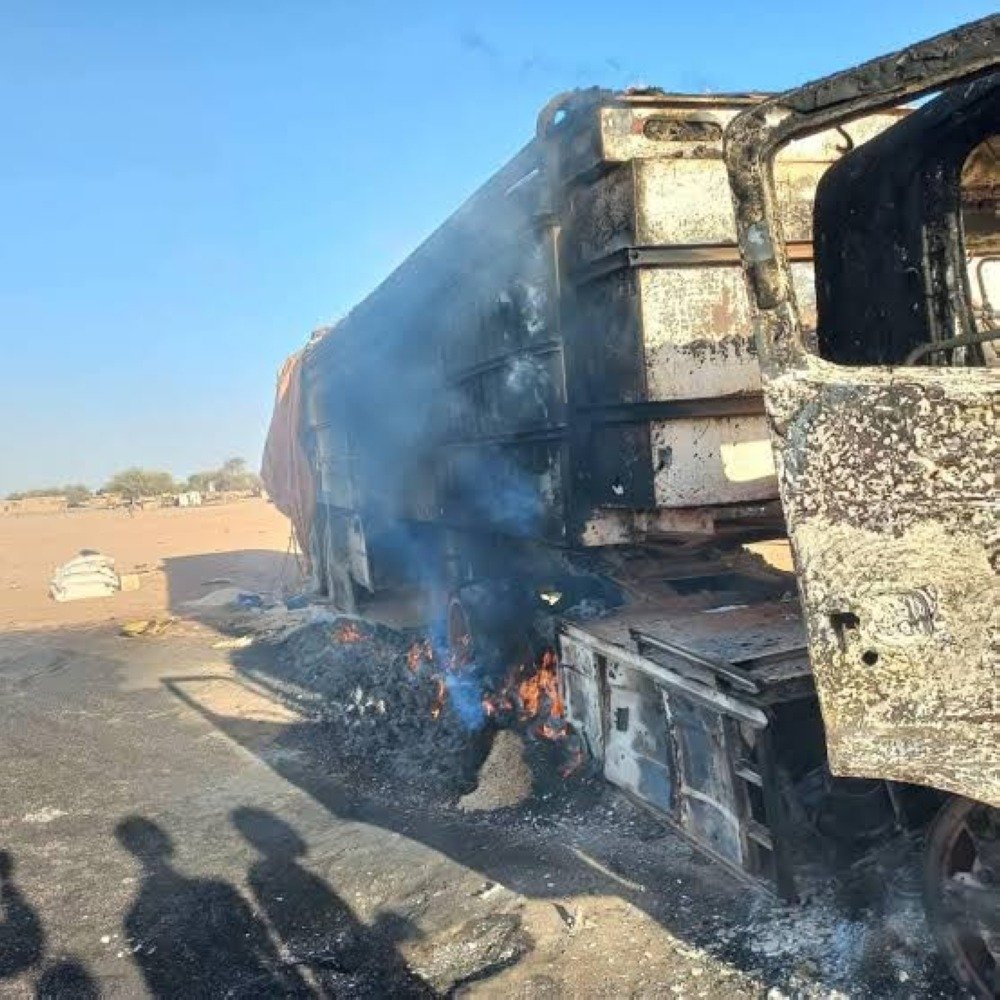
The Founding Alliance Condemns the Targeting of Aid Convoys in South Kordofan
Humanitarian efforts in Sudan are facing a critical juncture as attacks escalate against the sole remaining lifeline for millions of besieged people. This was starkly illustrated by the recent targeting of two commercial trucks contracted by the UN World Food Program (WFP) on the vital route connecting the towns of Dilling and Kadougli in South Kordofan. The incident not only resulted in the death of a driver and severe damage to life-saving food rations but also highlighted the dangerous trend toward the militarization of aid and the use of starvation as a weapon of pressure in the ongoing conflict.
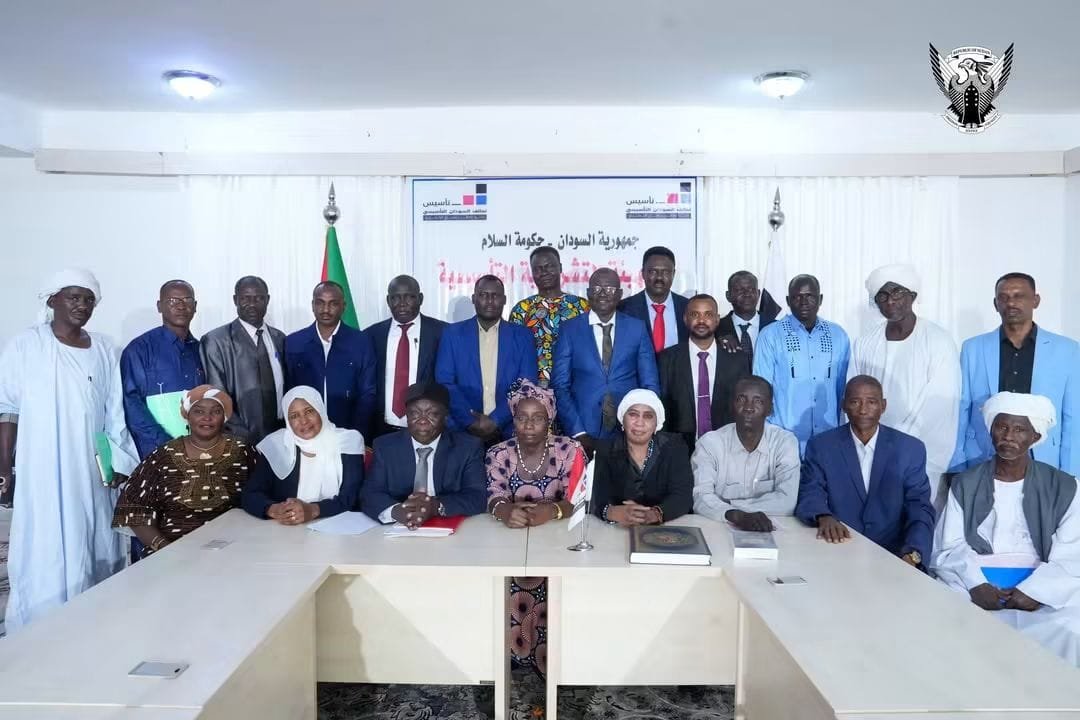
The incident sparked widespread political and human rights reactions, most notably from the Sudan Founding Alliance. The Alliance swiftly condemned the airstrike in the strongest terms, holding the « Brotherhood Army » directly responsible based on field evidence and the context of aerial sorties in the region. Their stance went beyond mere political condemnation to demand the urgent formation of an independent international commission of inquiry. This commission would be tasked with establishing the facts and clarifying the circumstances specifically by tracing the chain of military commands and decisions that led to the strike coordinates being issued thereby paving the way for the determination of individual and command-level criminal liability. The incident carries heightened legal gravity given that the targeted convoy bore clear humanitarian markings and was traveling along a declared route designed for transporting supplies to civilians facing the imminent threat of famine. International laws and norms governing armed conflict foremost among them the Geneva Conventions and Additional Protocol II mandate strict protection for aid workers and humanitarian transport; the deliberate targeting of these convoys or the obstruction of vital aid constitutes a grave violation amounting to a war crime under the Rome Statute and the jurisdiction of the International Criminal Court.
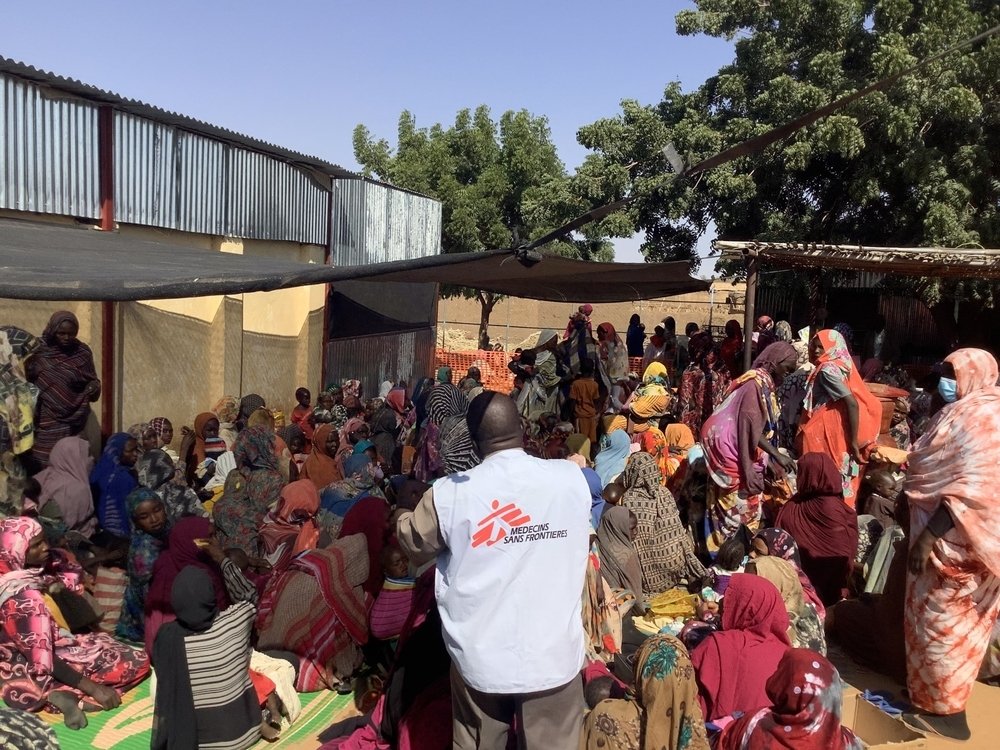
On the ground, the targeting of the Dilling-Kadugli route reflects the complex humanitarian situation in the Nuba Mountains, a region grappling with the effects of a siege, severe commodity shortages, and record-high transport costs driven by ongoing clashes. Striking aid convoys effectively advance the objectives of the military siege through undeclared means; it terrorizes truck drivers and local contractors, compelling UN agencies and international partners to suspend relief operations to safeguard their personnel, thereby leaving entire communities facing the threat of starvation.
This development presents a critical test for the international community and the Security Council one that transcends mere expressions of concern and routine diplomatic statements. Continued impunity regarding attacks on aid corridors entrenches a reality in which convoys carrying flour and medicine are viewed by the warring parties as legitimate military targets. Activating accountability mechanisms and ensuring genuine protection for humanitarian workers is no longer merely a matter of human rights luxury; it has become an urgent necessity to halt the total collapse and salvage what remains of human dignity amidst the catastrophe in Sudan.