 Laredaction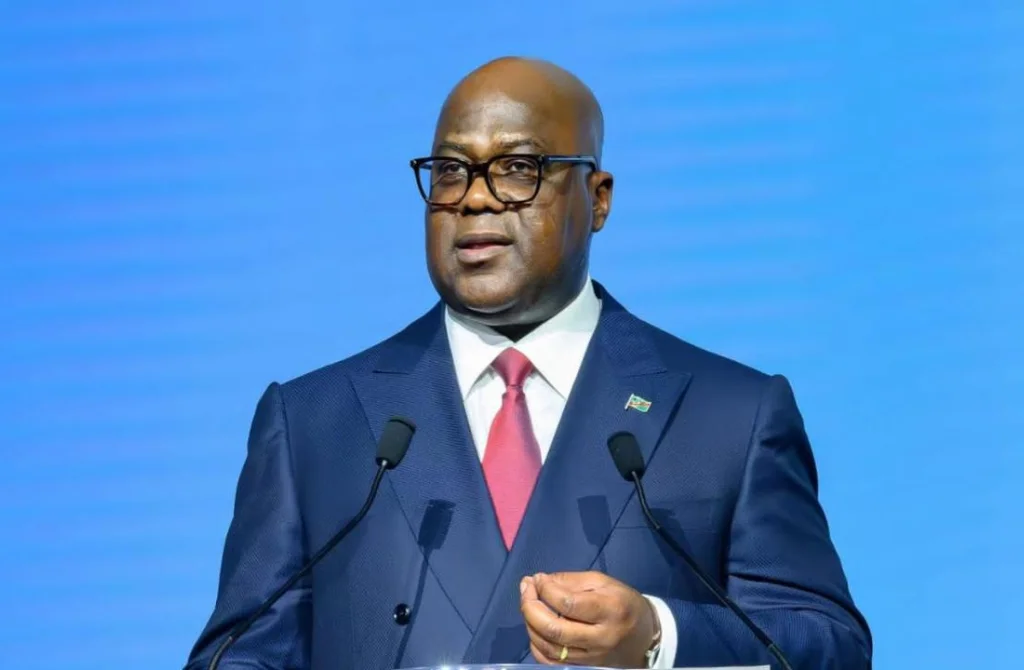
In Kinshasa, the climate is entering a new political sequence. The promulgation of the Ordinance-Law on the legal regime of the carbon market places the Democratic Republic of Congo in front of a major challenge: to transform its immense ecological capital into an instrument of sovereignty, investment and economic power.
Under the impetus of President Félix-Antoine Tshisekedi Tshilombo, the Congolese government is thus seeking to give a national architecture to a sector that has long been exposed to external logics. The political message is clear: the DRC’s forests, land and climate potential must produce value for the country and for the communities that live in contact with these resources.
The reform, led by Environment Minister Marie Nyange Ndambo and adopted by the Government on August 28 under the leadership of Prime Minister Judith Suminwa Tuluka, introduces precise rules on the entire cycle of carbon projects. The development, validation, authorization, issuance, monitoring and transfer of mitigation results now find their place in a national system aligned with Article 6 of the Paris Agreement.
The future National Carbon Registry is one of the key elements of this strategy. It should enable the State to monitor credits, supervise transfers and strengthen the traceability of operations. Behind this administrative mechanism is an essential political question: who controls the climate value produced on Congolese territory?
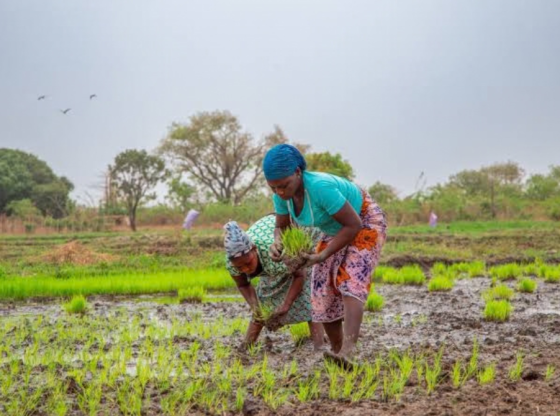
The answer also lies in the rights of local communities and Pygmy indigenous peoples, with attention paid to benefit-sharing. This dimension gives the reform a direct social impact.
With this ordinance-law, Kinshasa is laying the foundations of a carbon market under Congolese legal control. The status of « solution country » takes on a concrete dimension here: that of a state that seeks to make its climate role a strategic asset, capable of attracting capital while defending its national interests.
TheHatLady